
270 مليار دولار خسائر وآلاف القتلى.. بيانات الأقمار الصناعية تكشف حجم الدمار في إيران – أخبار السعودية
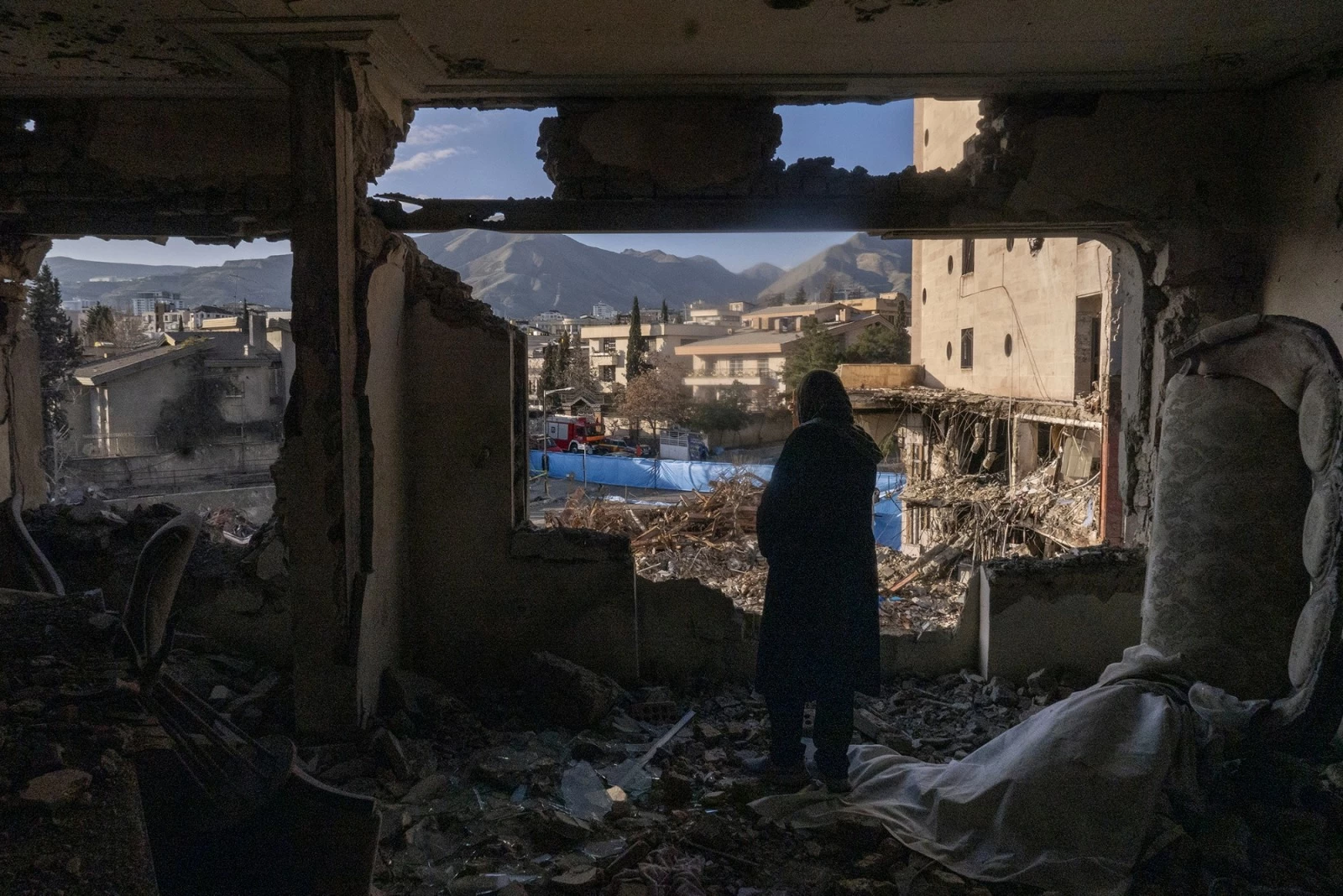
بعد أكثر من خمسة أسابيع من المواجهات العسكرية، أتاح وقف إطلاق النار الهش، الذي استمر 14 يومًا بين الولايات المتحدة وإسرائيل وإيران، لسكان العاصمة طهران فرصة أولية لرصد حجم الدمار الذي خلّفته الحرب.
المدينة، التي يقطنها نحو 9 ملايين نسمة، بدت مثقلة بآثار القصف، حيث تنتشر الأنقاض في أحيائها، وتظهر الأضرار بوضوح على المباني الشاهقة والبنية التحتية.
وكان الرئيس الأمريكي دونالد ترمب قد أعلن، الثلاثاء الماضي، تمديد وقف إطلاق النار مع إيران إلى أجل غير مسمى، وذلك قبل يوم واحد فقط من انتهاء الهدنة، رغم تعثر الجهود لعقد جولة جديدة من المفاوضات.
ولا تزال الخلافات قائمة بين الطرفين بشأن ملفات رئيسية، أبرزها البرنامج النووي الإيراني، والسيطرة على مضيق هرمز، إضافة إلى دور طهران في دعم جماعات مسلحة في المنطقة.
ورغم بوادر التهدئة، تشير التقديرات إلى سقوط ما لا يقل عن 3300 قتيل في إيران، من مدنيين وعسكريين، إلى جانب خسائر مادية واسعة النطاق.
كما أعاقت القيود التي فرضتها السلطات الإيرانية على التصوير والوصول إلى الإنترنت، فضلًا عن القيود الأمريكية على صور الأقمار الصناعية عالية الدقة، عمليات التقييم الميداني الدقيق.
في المقابل، اعتمدت دراسة صادرة عن باحثين في جامعة ولاية أوريغون على صور الرادار، لتقدّر تضرر أو تدمير ما لا يقل عن 7645 مبنى في أنحاء البلاد منذ 28 فبراير وحتى بدء الهدنة في 8 أبريل، من بينها عشرات المنشآت التعليمية والصحية.
أما في طهران، فقد أظهر تحليل أجرته وكالة بلومبيرغ أن نحو 2816 مبنى تضرر، توزعت بين منشآت عسكرية (32%)، وصناعية (25%)، وسكنية (21%)، إضافة إلى منشآت تجارية (19%) وحكومية (2%)، ويعكس هذا التوزيع امتداد آثار الضربات إلى مختلف القطاعات داخل المدينة.
وفي هذا السياق، أوضحت الباحثة نازنين شاهروكني من جامعة سايمون فريزر أن الدمار في المدن الكبرى لا يكون دائمًا على شكل مناطق مدمرة بالكامل، بل يظهر بشكل متفرق، مما يجعل التمييز بين الأهداف العسكرية والمدنية أمرًا معقدًا، حيث تتأثر الحياة اليومية بشكل شامل.
وبحسب تحليل آخر لوكالة بلومبيرغ استند إلى صور أقمار صناعية، فإن إجمالي المباني المتضررة أو المدمرة في إيران بلغ 7645 مبنى خلال فترة القتال.
وقدّرت الحكومة الإيرانية الخسائر الاقتصادية بنحو 270 مليار دولار، وهو رقم يقترب من الناتج المحلي الإجمالي السنوي، واعتبرته المتحدثة فاطمة مهاجراني رقمًا قابلًا للارتفاع.
وعلى الصعيد الإنساني، أعلنت السلطات مقتل 3371 شخصًا، بينهم 496 امرأة، وإصابة أكثر من 34 ألفًا، فيما أشارت تقارير استخباراتية إلى سقوط 1858 قتيلًا خلال الأيام الـ12 الأولى فقط من القتال.
وفي طهران وحدها، تضررت أكثر من 39 ألف وحدة سكنية، مع تسجيل انفجارات كبيرة قرب مواقع حساسة، بينها القصر الرئاسي ومقار أمنية، كما أظهر تحليل بلومبيرغ أن نحو خُمس الأضرار طالت القطاع المدني.
اقتصاديًا، تعرض ميناء بندر عباس الإستراتيجي لهجوم في مطلع أبريل، إلى جانب أضرار جسيمة لحقت بمجمعات البتروكيماويات في عسلوية ومعشور، ما أدى إلى تعليق صادرات القطاع بالكامل، وكانت هذه الصادرات تدر ما بين 13 و15 مليار دولار سنويًا، وتعد من أهم مصادر العملة الصعبة لإيران بعد النفط.
من جانبها، أكدت نائبة المتحدث باسم البيت الأبيض أن الولايات المتحدة استهدفت نحو 13 ألف موقع منذ بدء العمليات، مشددة على عدم تعمد استهداف المدنيين.
After more than five weeks of military confrontations, the fragile ceasefire, which lasted 14 days between the United States, Israel, and Iran, has given the residents of the capital Tehran an initial opportunity to assess the extent of the destruction left by the war.
The city, home to about 9 million people, appeared burdened by the effects of the bombardment, with debris scattered throughout its neighborhoods, and damage clearly visible on high-rise buildings and infrastructure.
Last Tuesday, U.S. President Donald Trump announced the indefinite extension of the ceasefire with Iran, just one day before the truce was set to expire, despite stalled efforts to hold a new round of negotiations.
Disagreements remain between the two sides over key issues, most notably the Iranian nuclear program, control of the Strait of Hormuz, and Tehran’s role in supporting armed groups in the region.
Despite signs of de-escalation, estimates indicate that at least 3,300 people, both civilians and military, have been killed in Iran, along with widespread material losses.
The restrictions imposed by Iranian authorities on photography and internet access, along with U.S. restrictions on high-resolution satellite imagery, have hindered accurate field assessments.
In contrast, a study conducted by researchers at Oregon State University relied on radar images to estimate that at least 7,645 buildings across the country were damaged or destroyed from February 28 until the start of the truce on April 8, including dozens of educational and health facilities.
In Tehran, an analysis by Bloomberg indicated that around 2,816 buildings were damaged, distributed among military facilities (32%), industrial (25%), residential (21%), as well as commercial (19%) and government (2%) facilities, reflecting the widespread impact of the strikes across various sectors within the city.
In this context, researcher Nazanin Shahrokhni from Simon Fraser University explained that destruction in major cities does not always manifest as completely devastated areas, but appears scattered, making it complex to distinguish between military and civilian targets, as daily life is comprehensively affected.
According to another analysis by Bloomberg based on satellite images, the total number of damaged or destroyed buildings in Iran reached 7,645 during the fighting period.
The Iranian government estimated economic losses at around $270 billion, a figure close to the annual gross domestic product, which spokesperson Fatemeh Mohajerani considered a number likely to rise.
On the humanitarian front, authorities announced the deaths of 3,371 people, including 496 women, and injuries to more than 34,000, while intelligence reports indicated that 1,858 people were killed during the first 12 days of fighting alone.
In Tehran alone, more than 39,000 housing units were damaged, with significant explosions recorded near sensitive sites, including the presidential palace and security headquarters, while Bloomberg’s analysis showed that about one-fifth of the damage affected the civilian sector.
Economically, the strategic port of Bandar Abbas was attacked in early April, along with severe damage to petrochemical complexes in Assaluyeh and Mahshahr, leading to a complete halt of sector exports, which had generated between $13 and $15 billion annually, making them one of Iran’s most important sources of hard currency after oil.
For its part, the deputy White House spokesperson confirmed that the United States targeted around 13,000 sites since the start of operations, emphasizing that there was no intention to target civilians.
للمزيد من المقالات
اضغط هنا