
من جواز السفر للتحاليل.. كيف تستورد الخيول إلى السعودية؟ – أخبار السعودية
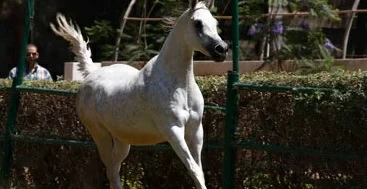
تجاوز عملية نقل الخيول إلى الأراضي السعودية مفهوم الشحن التقليدي بأشواط، إذ تخضع لرحلة تنظيمية دقيقة ومحكومة بضوابط صحية ووثائق رسمية صارمة تبدأ قبل إقلاع الطائرة بأسبوعين، وتتفرع بحسب الغرض من الاستيراد سواء كان دائماً أو مؤقتاً.
ووفقاً لدليل تراخيص الاستيراد الجديد، فإن الإجراءات تبدأ بتقديم طلب إذن استيراد عبر منصة «نما» قبل موعد الشحن بـ15 يوماً، مع صلاحية محدودة للإذن لا تتجاوز عشرة أيام. ويشترط الدليل أن تكون الخيول معرّفة بدقة عبر جواز سفر أو شريحة إلكترونية، إلى جانب استخراج ترخيص إضافي من المركز الوطني لتنمية الحياة الفطرية (CITES) عبر منصة «فطري» للحالات التي تتطلب ذلك، مع ضرورة وصول الإرسالية عبر المنفذ المحدد مسبقاً.
وتختلف الاشتراطات الصحية باختلاف طبيعة البقاء، ففي الاستيراد الدائم، يُلزم المستورد بتقديم سجل يثبت تلقي الخيل لجرعتي تحصين ضد أنفلونزا الخيول بفاصل زمني محدد ومضى عليها 14 يوماً، إضافة إلى خطاب متابعة معتمد من السلطات البيطرية لبلد المصدر.
أما في الاستيراد المؤقت، فتفرض اللوائح شروطاً إضافية تشمل تقديم أصل جواز السفر، وخطاباً من نادي الفروسية، وشهادة تحليل دم حديثة لم يمضِ على سحب عينتها أكثر من 30 يوماً، مع إجراء الفحوصات المخبرية في مختبرات مرجعية معتمدة.
ولا تقف الشروط عند حدود المستندات، بل تمتد لتشمل تفاصيل النقل والشحن، إذ يُمنع منعاً باتاً مخالطة الخيول لأي حيوانات أخرى أثناء الرحلة، أو عبورها عبر دول تسجل بؤراً وبائية محددة. كما تفرض التعليمات نقلها في إسطبلات جديدة أو عربات معقمة وقابلة للتطهير، مع الالتزام التام بالطاقة الاستيعابية وتوفير الغذاء والماء الكافي طوال رحلتي النقل والحجر الصحي
The process of transporting horses to Saudi territory surpasses the traditional shipping concept by leaps and bounds, as it is subject to a precise organizational journey governed by strict health regulations and official documents that begin two weeks before the flight departure, and it branches out according to the purpose of import, whether permanent or temporary.
According to the new import licensing guide, the procedures begin by submitting a request for an import permit via the “Namaa” platform 15 days before the shipping date, with a limited validity for the permit not exceeding ten days. The guide stipulates that the horses must be accurately identified through a passport or an electronic chip, in addition to obtaining an additional license from the National Center for Wildlife Development (CITES) via the “Fatri” platform for cases that require it, with the necessity of the shipment arriving through the previously specified port.
The health requirements vary depending on the nature of the stay. In the case of permanent import, the importer is required to provide a record proving that the horse has received two doses of vaccination against equine influenza at specified intervals and that at least 14 days have passed since the last dose, in addition to a follow-up letter approved by the veterinary authorities of the exporting country.
As for temporary import, the regulations impose additional conditions that include presenting the original passport, a letter from the equestrian club, and a recent blood test certificate that has not exceeded 30 days since the sample was taken, with laboratory tests conducted in accredited reference laboratories.
The requirements do not stop at the documentation level but extend to include details of transportation and shipping, as it is strictly prohibited for horses to come into contact with any other animals during the journey or to pass through countries that report specific epidemic outbreaks. Additionally, the instructions require transporting them in new stables or sterilized and disinfectable vehicles, with full compliance with capacity limits and ensuring adequate food and water throughout the transportation and quarantine journeys.
للمزيد من المقالات
اضغط هنا
التعليقات