
واشنطن تسعى لتحالف دولي لتأمين مضيق هرمز بعد تصاعد التوتر مع إيران – أخبار السعودية
تسعى إدارة الرئيس الأمريكي دونالد ترمب، إلى حشد دعم دولي لتشكيل تحالف متعدد الجنسيات يهدف إلى إعادة ضمان حرية الملاحة في مضيق هرمز، وذلك وفقًا لبرقية صادرة عن وزارة الخارجية الأمريكية.
وبحسب البرقية المؤرخة في 28 أبريل، وافق وزير الخارجية الأمريكي ماركو روبيو على إطلاق مبادرة جديدة تحمل اسم «هيكل الحرية البحرية»، وهي مشروع مشترك بين وزارة الخارجية ووزارة الدفاع الأمريكية (البنتاغون).
ووصفت البرقية هذه المبادرة بأنها خطوة أولى حاسمة نحو إنشاء منظومة أمن بحري في الشرق الأوسط في مرحلة ما بعد النزاع، مؤكدة أن هذا الإطار ضروري لضمان أمن الطاقة على المدى الطويل، وحماية البنية التحتية البحرية الحيوية، والحفاظ على حقوق الملاحة في الممرات البحرية الإستراتيجية.
ومن المقرر أن يتولى الجانب الدبلوماسي من المبادرة، بقيادة وزارة الخارجية، تنسيق العلاقات مع الدول الشريكة وقطاع الشحن البحري، بينما سيتكفل الجانب العسكري، عبر القيادة المركزية الأمريكية انطلاقًا من مقرها في فلوريدا، بمتابعة حركة الملاحة البحرية بشكل فوري والتواصل المباشر مع السفن العابرة لمضيق هرمز.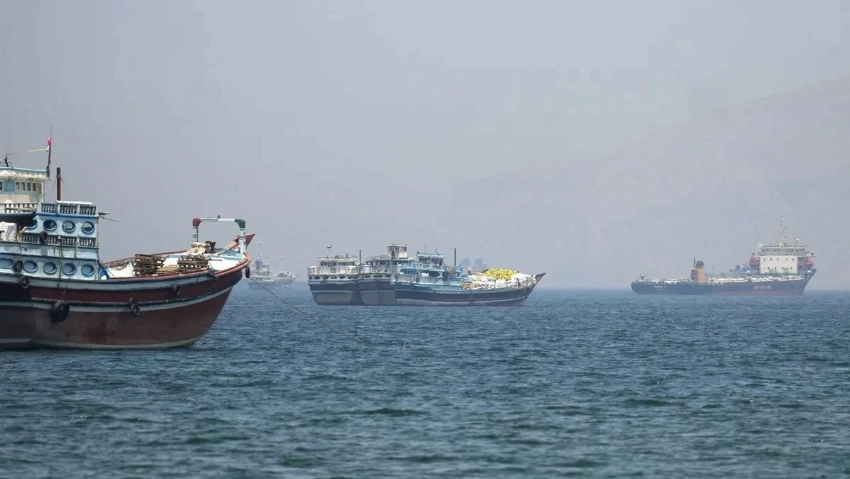
وكانت صحيفة «وول ستريت جورنال» أول من كشف عن تفاصيل هذه الخطة يوم الأربعاء، ووفقًا للبرقية، طُلب من السفارات الأمريكية تقديم العرض إلى الدول الحليفة بحلول الأول من مايو، مع استثناء دول مثل روسيا والصين وبيلاروسيا وكوبا، إلى جانب ما وصفته البرقية بـ«خصوم الولايات المتحدة».
وأشارت الوثيقة إلى أن أشكال المشاركة في التحالف قد تشمل الجهود الدبلوماسية، وتبادل المعلومات، وتنفيذ العقوبات، أو الوجود البحري، أو غيرها من أشكال الدعم، مؤكدة في الوقت نفسه أن واشنطن لا تتوقع من الدول المشاركة سحب مواردها من الترتيبات البحرية الإقليمية القائمة.
وشددت البرقية على أن هذه المبادرة منفصلة عن سياسة «الضغط الأقصى» التي تتبناها الإدارة الأمريكية، وكذلك عن المفاوضات الجارية مع إيران.
ويأتي هذا التحرك في ظل تراجع حاد في حركة الملاحة عبر مضيق هرمز، الذي كان يمر عبره نحو خُمس إمدادات النفط والغاز العالمية، وذلك منذ اندلاع المواجهة العسكرية بين الولايات المتحدة وإسرائيل من جهة وإيران من جهة أخرى في 28 فبراير، وما تبعها من فرض طهران حصارًا على الممر المائي الحيوي.
وتعكس هذه الخطوة الأمريكية استمرار حالة الجمود في الجهود الرامية إلى إنهاء النزاع، في وقت تصعّد فيه واشنطن ضغوطها على إيران، بما في ذلك محاولة تقليص صادراتها النفطية عبر فرض حصار بحري على موانئها.
The administration of U.S. President Donald Trump is seeking to rally international support to form a multinational coalition aimed at re-establishing freedom of navigation in the Strait of Hormuz, according to a cable issued by the U.S. Department of State.
According to the cable dated April 28, U.S. Secretary of State Marco Rubio approved the launch of a new initiative called the “Maritime Freedom Framework,” which is a joint project between the State Department and the U.S. Department of Defense (the Pentagon).
The cable described this initiative as a critical first step towards establishing a maritime security system in the Middle East in the post-conflict phase, emphasizing that this framework is essential to ensure long-term energy security, protect vital maritime infrastructure, and uphold navigation rights in strategic maritime corridors.
The diplomatic side of the initiative, led by the State Department, is set to coordinate relations with partner countries and the shipping sector, while the military side, through U.S. Central Command based in Florida, will be responsible for monitoring maritime traffic in real-time and direct communication with vessels transiting the Strait of Hormuz.
The Wall Street Journal was the first to reveal details of this plan on Wednesday, and according to the cable, U.S. embassies were asked to present the offer to allied countries by May 1, excluding countries such as Russia, China, Belarus, and Cuba, along with what the cable described as “U.S. adversaries.”
The document indicated that forms of participation in the coalition could include diplomatic efforts, information sharing, implementing sanctions, or maritime presence, or other forms of support, while also confirming that Washington does not expect participating countries to withdraw their resources from existing regional maritime arrangements.
The cable emphasized that this initiative is separate from the “maximum pressure” policy adopted by the U.S. administration, as well as from ongoing negotiations with Iran.
This move comes amid a sharp decline in maritime traffic through the Strait of Hormuz, which used to account for about one-fifth of global oil and gas supplies, since the outbreak of military confrontation between the United States and Israel on one side and Iran on the other on February 28, followed by Tehran imposing a blockade on the vital waterway.
This American step reflects the ongoing stalemate in efforts to resolve the conflict, at a time when Washington is intensifying its pressure on Iran, including attempts to reduce its oil exports by imposing a maritime blockade on its ports.
للمزيد من المقالات
اضغط هنا