
اتهامات بالتلاعب الرقمي تهز انتخابات البرازيل.. هل باتت المنصات لاعبًا سياسيًا؟ – أخبار السعودية
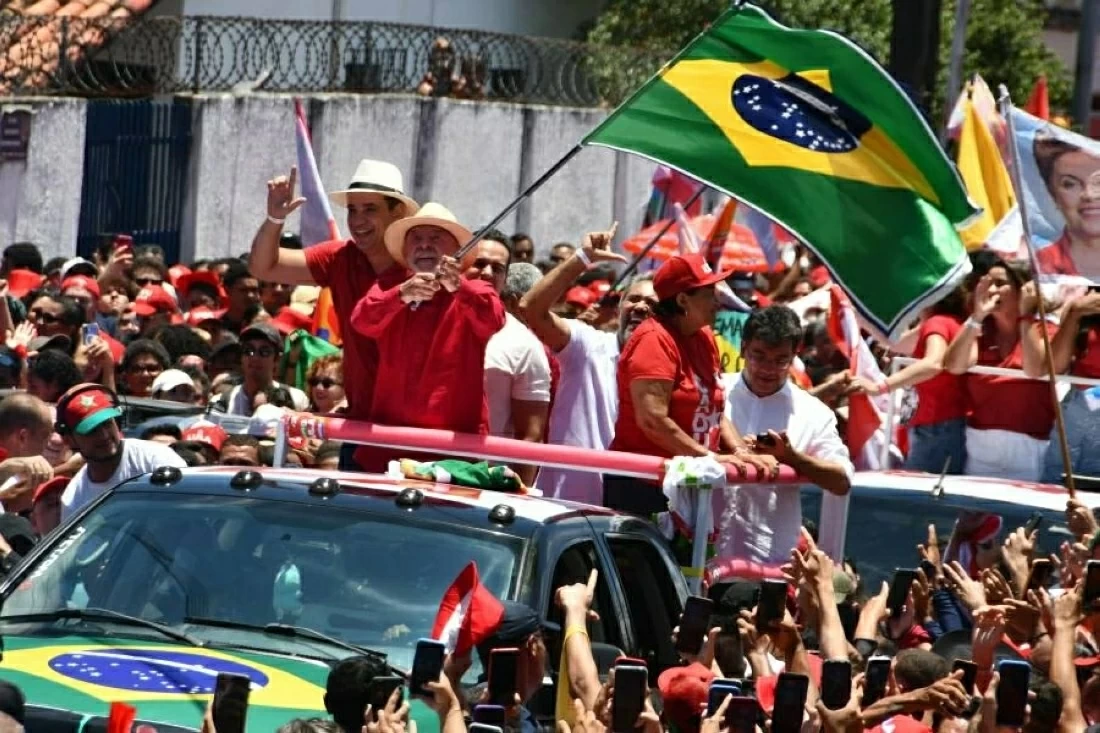
فتحت اتهامات حملة الرئيس البرازيلي لويس إيناسيو لولا دا سيلفا لشركة «ميتا» بالتأثير في توزيع المحتوى الانتخابي مواجهة جديدة حول دور منصات التواصل الاجتماعي في المنافسة على الرئاسة، وسط مخاوف من أن تتحول الخوارزميات التي تتحكم في ظهور المنشورات والإعلانات إلى عامل مؤثر في فرص المرشحين بالوصول إلى الناخبين.
واتهمت حملة لولا الشركة المالكة لفيسبوك وإنستغرام بمحاولة التأثير في الانتخابات لمصلحة منافسه السيناتور فلافيو بولسونارو، نجل الرئيس البرازيلي السابق جايير بولسونارو، قائلة إن حسابات الحملة واجهت قيودًا متكررة على الترويج المدفوع للمحتوى، إلى جانب تراجع أو اضطراب في وصول بعض المنشورات إلى الجمهور، وتعطيل حساب إعلاني خلال فترة المنافسة الانتخابية.
وقالت الحملة إنها ستلجأ إلى المحكمة الانتخابية العليا والهيئة الوطنية لحماية البيانات، معتبرة أن تكرار ما وصفته بالمشكلات التقنية، دون تفسير كافٍ، يثير الشكوك بشأن تكافؤ الفرص بين المرشحين، حيث تكتسب الاتهامات أهمية إضافية مع اقتراب جولة الإعادة المقررة في 25 أكتوبر، بعدما تقدم فلافيو بولسونارو على لولا في الجولة الأولى، وفق النتائج التي أوردتها وسائل إعلام برازيلية.
ميتا تنفي الاتهامات.. والمحكمة العليا تتدخل
وردت «ميتا» برفض الاتهامات، ووصفتها بأنها «كاذبة تمامًا ولا تستند إلى الوقائع»، وقالت الشركة إن بعض المشكلات التقنية التي أشارت إليها الحملة لم تقتصر على البرازيل أو على حسابات بعينها، مؤكدة التزامها القواعد الانتخابية وحرصها على المساواة في استخدام منصاتها.
وفي تطور مهم، طلبت المحكمة الانتخابية العليا من «ميتا» تقديم إيضاحات خلال 48 ساعة بشأن القيود المزعومة، والبيانات المتعلقة بإدارة المحتوى والإعلانات ومؤشرات الوصول، بما في ذلك كيفية تطبيق قواعد التوصية على حسابات المرشحين.
كما طلبت المحكمة الحفاظ على السجلات الفنية ذات الصلة، تمهيدًا لفحص الوقائع. ولا يعني هذا الإجراء أن المحكمة خلصت إلى ثبوت تدخل الشركة، لكنه ينقل الخلاف من تبادل الاتهامات السياسية إلى مسار رسمي للتحقق.
كيف تتدخل الخوارزميات في الانتخابات
وكشفت القضية عن جانب أكثر تعقيدًا من تأثير المنصات الرقمية في الانتخابات؛ فالمسألة لا تقتصر على حذف منشور أو السماح بإعلان، بل تشمل أيضًا الطريقة التي تحدد بها أنظمة التوصية أي محتوى يظهر للمستخدم، وكم مرة يراه، وما إذا كان ينتشر خارج دائرة المتابعين الأصليين، حيث يؤدي اختلاف الوصول إلى المحتوى إلى منح حملة قدرة أكبر على إيصال رسائلها، حتى دون إعلان صريح عن دعم مرشح أو استهداف منافسه.
وتستند الخوارزميات عادة إلى عوامل من بينها تفاعل المستخدمين مع المحتوى، واهتماماتهم السابقة، واحتمالات مشاهدتهم المنشور أو مشاركته، لكن هذه الأنظمة لا تعمل في فراغ سياسي؛ فالمحتوى المثير للغضب أو الخوف أو الاستقطاب قد يحصد تفاعلًا واسعًا، بينما يصعب على الباحثين والجهات الرقابية في كثير من الأحيان التحقق بصورة مستقلة من أسباب انتشار منشور أو تراجع آخر، بسبب محدودية الاطلاع على بيانات المنصات وآليات ترتيب المحتوى.
وفي التجارب الدولية، لم يعد القلق من تأثير المنصات الرقمية في الانتخابات افتراضًا نظريًا، إذ شهدت دول عدة أزمات مرتبطة بانتشار المعلومات المضللة، والاستهداف السياسي للمستخدمين، وآليات التوصية التي يمكن استغلالها لتضخيم رسائل انتخابية بعينها. غير أن هذه الحالات تختلف في طبيعتها، ولا تثبت جميعها أن الخوارزميات حسمت نتيجة التصويت.
رومانيا.. قضية تيك توك وإلغاء الانتخابات
وتُعد الانتخابات الرئاسية الرومانية في نوفمبر 2024 من أبرز الأمثلة الحديثة على الجدل بشأن الخوارزميات، فقد حقق المرشح القومي كالين جورجيسكو صعودًا مفاجئًا في الجولة الأولى، وسط تدقيق في انتشار محتوى حملته على «تيك توك» واتهامات بوجود شبكات منسقة للترويج له والتلاعب بآليات التوصية.
وفتحت المفوضية الأوروبية إجراءات رسمية للتحقيق في مدى التزام المنصة بقواعد إدارة المخاطر الانتخابية بموجب قانون الخدمات الرقمية الأوروبي، بما يشمل أنظمة التوصية والمحتوى السياسي المدفوع.
وأبطلت المحكمة الدستورية الرومانية العملية الانتخابية، في تطور استثنائي أثار جدلًا بشأن حماية نزاهة الانتخابات وحدود التدخل القضائي. لكن القضية لم تكن مجرد إثبات أن خوارزمية وحدها حسمت النتيجة، بل تضمنت مزاعم بشأن عمليات منسقة ومخاطر تدخل خارجي.
الولايات المتحدة.. فضيحة كامبريدج أناليتيكا وانتخابات 2016
وفي الولايات المتحدة ثارت قضية شركة «كامبريدج أناليتيكا» جدلًا عالميًا بعد الكشف عن حصولها على بيانات مرتبطة بما يصل إلى 87 مليون مستخدم لفيسبوك، واستخدامها في خدمات تحليل واستهداف سياسي.
وأعادت القضية طرح المخاوف بشأن جمع البيانات الشخصية وبناء ملفات عن الناخبين وتوجيه رسائل سياسية مصممة وفق خصائصهم واهتماماتهم. لكنها لا تثبت، بحد ذاتها، أن استخدام البيانات حسم الانتخابات الأمريكية عام 2016؛ إذ إن إثبات تأثير حملة استهداف معينة في سلوك الناخبين أو نتيجة التصويت يتطلب أدلة مستقلة تتجاوز مجرد وجود البيانات أو استخدامها.
البرازيل نفسها.. واتساب وانتخابات 2018
ولم تبدأ المخاوف البرازيلية مع المواجهة الحالية، ففي انتخابات 2018، لعبت تطبيقات التواصل والمراسلة، وعلى رأسها «واتساب»، دورًا بارزًا في الحملات السياسية، وظهرت اتهامات بتمويل غير قانوني لإرسال كميات ضخمة من الرسائل التي تستهدف خصومًا سياسيين.
كما لجأت وسائل إعلام برازيلية إلى مبادرات مشتركة للتحقق من الأخبار، وأعلنت واتساب آنذاك حظر أكثر من 100 ألف حساب في محاولة للحد من الرسائل المزعجة والتضليل، وأظهرت تلك التجربة أن التأثير الرقمي لا يأتي بالضرورة عبر خوارزميات التوصية وحدها، بل قد ينشأ أيضًا من الرسائل الجماعية والشبكات المنظمة وآليات إعادة النشر.
Accusations from Brazilian President Luiz Inácio Lula da Silva’s campaign against “Meta” regarding its influence on the distribution of electoral content have opened a new confrontation over the role of social media platforms in the presidential race, amid fears that the algorithms controlling the visibility of posts and advertisements could become a significant factor affecting candidates’ chances of reaching voters.
Lula’s campaign accused the parent company of Facebook and Instagram of attempting to influence the elections in favor of his rival, Senator Flávio Bolsonaro, the son of former Brazilian President Jair Bolsonaro, stating that the campaign’s accounts faced repeated restrictions on paid content promotion, alongside a decline or disruption in the reach of certain posts to the public, and the disabling of an advertising account during the election competition period.
The campaign stated that it would resort to the Supreme Electoral Court and the National Data Protection Authority, considering that the recurrence of what it described as technical problems, without sufficient explanation, raises doubts about the fairness of opportunities between candidates, as the accusations gain additional significance with the upcoming runoff scheduled for October 25, after Flávio Bolsonaro outperformed Lula in the first round, according to results reported by Brazilian media.
Meta Denies the Accusations.. and the Supreme Court Intervenes
Meta responded by rejecting the accusations, describing them as “completely false and not based on facts.” The company stated that some of the technical issues mentioned by the campaign were not limited to Brazil or specific accounts, affirming its commitment to electoral rules and its concern for equality in the use of its platforms.
In a significant development, the Supreme Electoral Court requested that Meta provide clarifications within 48 hours regarding the alleged restrictions, along with data related to content management, advertisements, and access metrics, including how recommendation rules are applied to candidates’ accounts.
The court also requested the preservation of relevant technical records in preparation for examining the facts. This action does not imply that the court has concluded that the company intervened, but it shifts the dispute from a political accusation exchange to an official verification process.
How Algorithms Interfere in Elections
The case revealed a more complex aspect of the impact of digital platforms on elections; the issue is not limited to deleting a post or allowing an advertisement, but also includes how recommendation systems determine which content is shown to users, how often they see it, and whether it spreads beyond the original followers. The difference in content reach allows campaigns to have a greater ability to convey their messages, even without explicitly endorsing a candidate or targeting their opponent.
Algorithms typically rely on factors including users’ interactions with content, their previous interests, and the likelihood of them viewing or sharing the post. However, these systems do not operate in a political vacuum; content that provokes anger, fear, or polarization may garner widespread interaction, while researchers and regulatory bodies often find it challenging to independently verify the reasons behind the spread of one post or the decline of another, due to limited access to platform data and content ranking mechanisms.
In international experiences, concerns about the impact of digital platforms on elections are no longer a theoretical assumption, as several countries have witnessed crises related to the spread of misinformation, political targeting of users, and recommendation mechanisms that can be exploited to amplify specific electoral messages. However, these cases differ in nature and do not all prove that algorithms determined the voting outcome.
Romania.. The TikTok Case and Election Cancellation
The Romanian presidential elections in November 2024 are among the most prominent recent examples of the debate over algorithms. Nationalist candidate Călin Georgescu achieved a surprising rise in the first round, amid scrutiny over the spread of his campaign content on TikTok and accusations of coordinated networks promoting him and manipulating recommendation mechanisms.
The European Commission opened formal proceedings to investigate the platform’s compliance with electoral risk management rules under the European Digital Services Act, including recommendation systems and paid political content.
The Romanian Constitutional Court annulled the electoral process in an exceptional development that sparked controversy over protecting electoral integrity and the limits of judicial intervention. However, the case was not merely about proving that an algorithm alone determined the outcome, but included allegations of coordinated operations and risks of external interference.
The United States.. The Cambridge Analytica Scandal and the 2016 Elections
In the United States, the case of Cambridge Analytica sparked global controversy after it was revealed that the company obtained data linked to up to 87 million Facebook users and used it for political analysis and targeting services.
The case raised concerns about the collection of personal data and building profiles on voters and directing political messages tailored to their characteristics and interests. However, it does not prove, in itself, that data usage determined the outcome of the 2016 U.S. elections; demonstrating the impact of a specific targeting campaign on voter behavior or the voting result requires independent evidence beyond merely the existence or use of data.
Brazil Itself.. WhatsApp and the 2018 Elections
Brazilian concerns did not begin with the current confrontation; in the 2018 elections, messaging and social media applications, led by WhatsApp, played a prominent role in political campaigns, and allegations emerged of illegal funding to send massive amounts of messages targeting political opponents.
Brazilian media also resorted to joint initiatives to fact-check news, and WhatsApp at that time announced the banning of over 100,000 accounts in an attempt to curb spam and misinformation. This experience showed that digital influence does not necessarily come solely from recommendation algorithms but can also arise from mass messaging, organized networks, and reposting mechanisms.
للمزيد من المقالات
اضغط هنا
التعليقات