
منع السفر عن 10 فئات.. حظر نقل الحيوانات لمدة تزيد على 8 ساعات دون راحة – أخبار السعودية
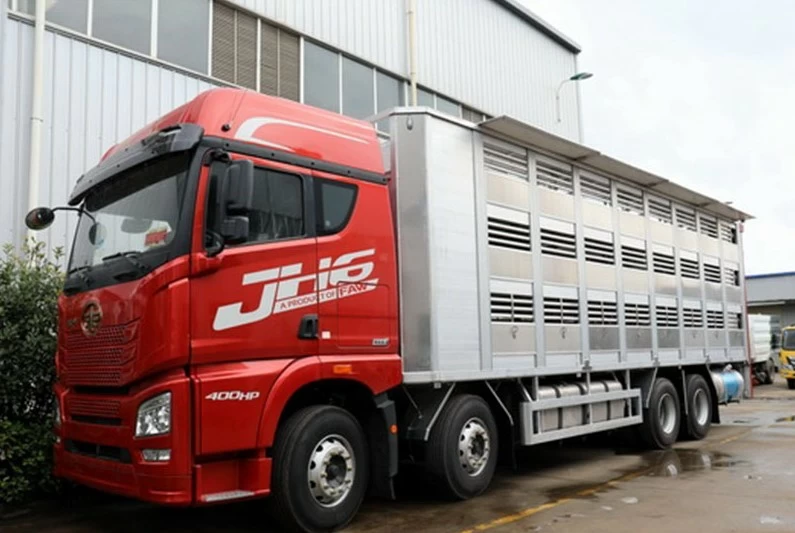
اعتمدت وزارة البيئة والمياه والزراعة، دليل نقل الثروة الحيوانية ومنتجاتها، بهدف تنظيم نقل الحيوانات محلياً ودولياً، والحد من انتشار الأمراض الوبائية، وضمان الالتزام بالاشتراطات الصحية ومعايير الرفق بالحيوان.
وحدد الدليل 10 فئات غير صالحة للسفر، تشمل الحيوانات المريضة والمصابة والضعيفة والمعاقة، والعاجزة عن النهوض أو الحركة دون ألم، والعمياء تماماً، والمواليد التي لم يلتئم جرح سرتها، والحيوانات الحوامل في العشر الأخير من الحمل، أو التي وضعت حملها خلال الـ48 ساعة السابقة وتسافر دون مواليدها، إضافة إلى الحيوانات التي قد تتضرر من سوء الأحوال الجوية، والتي لم يمضِ على قص قرونها أو أظلافها 14 يوماً على الأقل، مع مراعاة الاستثناءات المحددة في الدليل.
واشترط الدليل فحص الحيوانات قبل السفر بـ24 ساعة، واستكمال التحصينات قبل الرحلة بخمسة أيام، ونقل الحيوانات السليمة فقط بموجب شهادة بيطرية رسمية توضح حالتها الصحية وتحصيناتها. كما ألزم باستكمال وثائق الإرسالية، متضمنة بيانات الحيوانات والمرسل والمرسل إليه، وخطة الرحلة والطوارئ، ومعلومات التحميل والتفريغ، ومؤهلات السائق اللازمة لضمان سلامة الحيوانات وإمكانية تتبعها إلى مزرعة المنشأ.
وحظر الدليل نقل الحيوانات لأكثر من ثماني ساعات دون فترات راحة وتوفير الماء والغذاء، ونقلها خارج المناطق التشغيلية المعلنة دون موافقة الوزارة، أو استخدام وسائل نقل غير معتمدة أو غير مهيأة. كما ألزم بتفقد الحيوانات بعد 30 دقيقة من بدء الرحلة، ثم كل ساعتين، وتوفير مرافقين مؤهلين للتعامل معها، ومنع خلط الحيوانات التي قد يؤذي بعضها بعضًا.
وأكد الدليل، حظر استخدام وسائل الإكراه المؤلمة، مثل السوط ولوي الذيل والمنخس والأدوات الحادة، لدفع الحيوانات إلى الحركة، مع منع إلقاء الحيوانات النافقة في الميناء، والسماح بالقتل الرحيم وفق الضوابط المعتمدة.
The Ministry of Environment, Water, and Agriculture has adopted a guide for the transport of livestock and its products, aimed at organizing the transport of animals both locally and internationally, reducing the spread of epidemic diseases, and ensuring compliance with health requirements and animal welfare standards.
The guide specifies 10 categories of animals that are unfit for travel, including sick, injured, weak, disabled animals, those unable to stand or move without pain, completely blind animals, newborns with unhealed umbilical wounds, pregnant animals in the last ten days of pregnancy, or those that have given birth within the last 48 hours and are traveling without their offspring, in addition to animals that may be harmed by adverse weather conditions, and those whose horns or hooves have been trimmed less than 14 days prior, taking into account the specific exceptions outlined in the guide.
The guide requires that animals be examined 24 hours before travel, with vaccinations completed five days prior to the trip, and only healthy animals may be transported under an official veterinary certificate that details their health status and vaccinations. It also mandates the completion of shipment documents, including information about the animals, the sender, the recipient, the travel and emergency plan, loading and unloading information, and the qualifications of the driver necessary to ensure the safety of the animals and their traceability to the farm of origin.
The guide prohibits the transport of animals for more than eight hours without breaks and the provision of water and food, transporting them outside the declared operational areas without the ministry’s approval, or using unapproved or unsuitable means of transport. It also requires checking the animals 30 minutes after the journey begins, then every two hours, and providing qualified attendants to handle them, while preventing the mixing of animals that may harm each other.
The guide emphasizes the prohibition of using painful coercive methods, such as whips, tail twisting, prods, and sharp tools, to force animals to move, as well as banning the disposal of dead animals at the port, allowing euthanasia only according to approved regulations.
للمزيد من المقالات
اضغط هنا
التعليقات