
رئيس «الأرصاد» من تونس: السعودية تطوّر الإنذار المبكر بالذكاء الاصطناعي لمواجهة المخاطر المناخية – أخبار السعودية
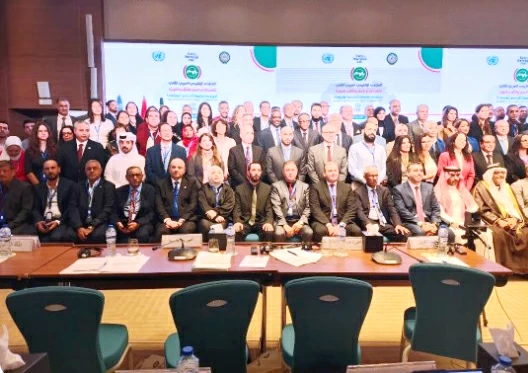
استعرض الرئيس التنفيذي للمركز الوطني للأرصاد الدكتور أيمن غلام، ريادة السعودية في تطوير أنظمة الإنذار المبكر، وتوظيف الذكاء الاصطناعي والتقنيات الحديثة لمواجهة المخاطر الجوية والمناخية. جاء ذلك، خلال مشاركته ممثلاً للسعودية في المنتدى العربي الثاني لنظم الإنذار المبكر والتأهب للكوارث، المنعقد في تونس، ضمن جلسة حوارية ناقشت تنفيذ مبادرة «الإنذار المبكر للجميع» على المستوى الوطني، والإنجازات والتحديات والفجوات المتبقية، بمشاركة ممثلين عن السعودية وسورية والمغرب ولبنان. وأوضح غلام، أن المركز عزز قدرات الإنذار المبكر من خلال تطوير منظومة متكاملة للمراقبة والتنبؤ وتقييم المخاطر، وتحديث أنظمة التنبيه وربطها بالجهات المعنية بإدارة الطوارئ والكوارث، إلى جانب تعزيز تبادل البيانات عبر المنصات الرقمية. وأشار إلى أن أبرز التحديات تشمل تعزيز تبادل البيانات، وتوسيع شبكة الرصد، ودمج المخاطر المناخية في صنع القرار، وتطوير الإنذار متعدد المخاطر. وبيّن، أن أولويات السنوات الخمس القادمة تركز على تطوير نماذج التنبؤ عالية الدقة، ودمج بيانات الرادارات والأقمار الصناعية ومحطات الرصد، وتوظيف الذكاء الاصطناعي وتعلم الآلة، وتحويل التوقعات إلى معلومات تحدد المخاطر ومواقعها وتوقيتها وتأثيراتها على السكان والبنية التحتية. وأكد غلام على أهمية تأهيل الكفاءات الوطنية، وتطوير خدمات المناخ، وتعزيز التكامل مع منظومات الطوارئ، وإجراء تمارين المحاكاة والتحسين المستمر، وصولاً إلى إنذار مبكر متكامل قائم على التأثيرات.
The CEO of the National Center of Meteorology, Dr. Ayman Ghulam, showcased Saudi Arabia’s leadership in developing early warning systems and employing artificial intelligence and modern technologies to address atmospheric and climate risks. This was during his participation as a representative of Saudi Arabia at the Second Arab Forum for Early Warning Systems and Disaster Preparedness, held in Tunisia, within a panel discussion that addressed the implementation of the “Early Warning for All” initiative at the national level, along with the achievements, challenges, and remaining gaps, with the participation of representatives from Saudi Arabia, Syria, Morocco, and Lebanon. Ghulam explained that the center has enhanced early warning capabilities by developing an integrated system for monitoring, forecasting, and risk assessment, updating alert systems, and linking them with relevant emergency and disaster management entities, in addition to enhancing data exchange through digital platforms. He pointed out that the main challenges include enhancing data exchange, expanding the monitoring network, integrating climate risks into decision-making, and developing multi-hazard warnings. He indicated that the priorities for the next five years focus on developing high-precision forecasting models, integrating radar, satellite, and monitoring station data, employing artificial intelligence and machine learning, and transforming forecasts into information that identifies risks, their locations, timing, and impacts on populations and infrastructure. Ghulam emphasized the importance of qualifying national competencies, developing climate services, enhancing integration with emergency systems, conducting simulation exercises, and continuous improvement, leading to a comprehensive early warning system based on impacts.
للمزيد من المقالات
اضغط هنا
التعليقات