
غضب في «معاريف».. لماذا أثار مسلسل عربي جنون إسرائيل؟ – أخبار السعودية
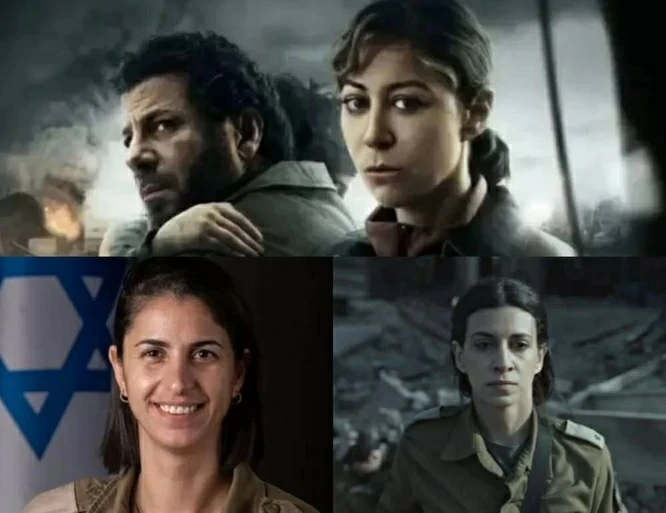
في تطور مفاجئ يعيد الدراما الرمضانية إلى واجهة الأحداث السياسية، شنت صحيفة «معاريف» الإسرائيلية هجوماً لاذعاً على مسلسل «صحاب الأرض»، بسبب تجسيد شخصية مستوحاة من متحدثة جيش الاحتلال الناطقة بالعربية، المعروفة بـ«كابتن إيلا». هذا الهجوم الإسرائيلي لم يضع المسلسل في مأزق، بل منحه «دعاية مجانية» أعادته لصدارة الترند العربي بعد أشهر من انتهاء عرضه الرمضاني.
«كابتن إيلا».. من شاشات الإعلام إلى دراما الانتقاد
كانت شخصية «كابتن إيلا» متحدثة الجيش الإسرائيلي محور حديث واسع في العالم العربي، لكن نقلها من إطار «المتحدثة الرسمية» إلى إطار «العمل الدرامي» في مسلسل «صحاب الأرض» كان بمثابة القشة التي قصمت ظهر البعير بالنسبة للإعلام الإسرائيلي. «معاريف» رأت أن تداول هذه الشخصية داخل عمل درامي يتجاوز حدود «حرية الفن» ويدخل في نطاق المواجهة الإعلامية المباشرة.
بطلة هذه الأزمة هي الفنانة المصرية روان الغابة، التي جسدت الدور ببراعة أثارت حفيظة الجانب الإسرائيلي. وفي تصريحاتها، أكدت الغابة أنها خضعت لاستعدادات مكثفة شملت تعلم العبرية ودراسة نبرة الصوت وطريقة إلقاء الشخصية لتبدو واقعية. هذا التجسيد الدقيق كان أحد الأسباب التي جعلت الصحافة الإسرائيلية تشعر بالضيق، معتبرة أن العمل يساهم في «تفكيك» الصورة التي تحاول المتحدثة العسكرية تصديرها للعرب.
ويؤكد خبراء الدراما أن هجوم الإعلام الإسرائيلي على الأعمال الفنية العربية عادة ما يأتي بنتيجة عكسية تماماً، حيث يتحول هذا الغضب إلى عامل جذب للجمهور العربي لمشاهدة العمل، وهو ما حدث بالفعل مع «صحاب الأرض». فالمسلسل الذي انتهى عرضه منذ أشهر، عاد اليوم ليتصدر قوائم البحث والمشاهدة، مما يثبت أن الدراما العربية لا تزال تمتلك أدوات قوية للتأثير خارج حدود الشاشة.
وتثبت هذه الأزمة أن الدراما العربية لم تعد مجرد تسلية، بل تحولت إلى «قوة ناعمة» قادرة على إثارة أزمات دبلوماسية وإعلامية. ومع استمرار التوتر في المنطقة، يبدو أننا سنشهد مزيداً من الصدامات الفنية التي تُحول مشهداً تمثيلياً إلى معركة حقيقية على صفحات الصحف العالمية. فهل ستدفع هذه الضجة صناع الدراما لتقديم مزيد من الأعمال التي «تزعج» الرواية الإسرائيلية؟ الأيام القادمة وحدها ستجيب.
In a surprising development that brings Ramadan drama back to the forefront of political events, the Israeli newspaper “Ma’ariv” launched a scathing attack on the series “Sahab Al-Ard,” due to the portrayal of a character inspired by the Arabic-speaking spokesperson for the occupation army, known as “Captain Ella.” This Israeli attack did not put the series in a predicament; rather, it granted it “free publicity” that returned it to the top of the Arab trend after months of its Ramadan airing.
“Captain Ella”.. From Media Screens to Drama Critique
The character “Captain Ella,” the spokesperson for the Israeli army, became a focal point of extensive discussion in the Arab world. However, transitioning her from the role of “official spokesperson” to the realm of “dramatic work” in the series “Sahab Al-Ard” was the last straw for the Israeli media. “Ma’ariv” viewed the portrayal of this character within a dramatic work as exceeding the limits of “artistic freedom” and entering the realm of direct media confrontation.
The protagonist of this crisis is the Egyptian artist Rawan Al-Ghaba, who brilliantly portrayed the role, provoking the ire of the Israeli side. In her statements, Al-Ghaba confirmed that she underwent intensive preparations, including learning Hebrew and studying the character’s tone of voice and delivery to appear realistic. This precise portrayal was one of the reasons that made the Israeli press feel discomfort, considering that the work contributes to “dismantling” the image that the military spokesperson tries to project to the Arabs.
Drama experts confirm that the Israeli media’s attack on Arab artistic works usually results in a completely opposite effect, as this anger turns into a factor attracting the Arab audience to watch the work, which indeed happened with “Sahab Al-Ard.” The series, which ended its airing months ago, has returned today to top search and viewing lists, proving that Arab drama still possesses powerful tools to influence beyond the screen’s boundaries.
This crisis demonstrates that Arab drama is no longer just entertainment; it has transformed into a “soft power” capable of provoking diplomatic and media crises. With ongoing tensions in the region, it seems we will witness more artistic clashes that turn a theatrical scene into a real battle on the pages of global newspapers. Will this uproar drive drama producers to present more works that “disturb” the Israeli narrative? Only time will tell.
للمزيد من المقالات
اضغط هنا