
5 % صعود لأسعار الغاز بهولندا وبريطانيا – أخبار السعودية
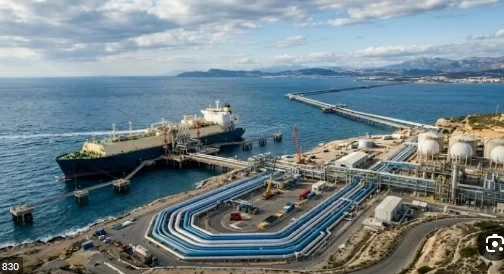
قفزت أسعار الغاز بالجملة في هولندا وبريطانيا بأكثر من 5% اليوم، عقب تقرير إعلامي أفاد بأن الولايات المتحدة ستمدد حصارها على الموانئ الإيرانية.
ونقلت صحيفة وول ستريت جورنال عن مسؤولين أمريكيين قولهم إن الرئيس الأمريكي دونالد ترمب أصدر تعليمات لمساعديه بالاستعداد لتمديد الحصار على الموانئ الإيرانية، في محاولة لإجبار طهران على الاستسلام.
وأظهرت بيانات بورصة إنتركونتيننتال إكستشينج أن العقد الهولندي القياسي لأقرب شهر استحقاق في مركز «تي تي إف» قفز 5.35% إلى 45.93 يورو للميغاواط/ساعة، أو 15.73 دولار للمليون وحدة حرارية بريطانية، وارتفع العقد البريطاني لأقرب شهر استحقاق 5.16% إلى 114.00 بنساً لكل وحدة حرارية.
أضرار جسيمة
وكشفت «وول ستريت جورنال» نقلاً عن مسؤولين أمريكيين أن الحصار المفروض على مضيق هرمز يُلحق أضراراً جسيمة باقتصاد إيران، في ظل صعوبات متزايدة تواجهها طهران في تخزين كميات النفط غير المُصدّرة.
وبحسب الصحيفة، فإن القيود المفروضة على حركة الناقلات خفّضت بشكل حاد قدرة إيران على تصدير النفط؛ ما أدى إلى تراكم المخزونات ودفع السلطات للبحث عن حلول بديلة للتخزين، وسط تضييق متزايد على البنية اللوجستية المرتبطة بالقطاع النفطي.
Wholesale gas prices in the Netherlands and Britain jumped by more than 5% today, following a media report that the United States will extend its blockade on Iranian ports.
The Wall Street Journal reported that U.S. officials said President Donald Trump instructed his aides to prepare for the extension of the blockade on Iranian ports, in an attempt to force Tehran to surrender.
Data from the Intercontinental Exchange showed that the Dutch benchmark contract for the nearest month at the “TTF” hub surged 5.35% to €45.93 per megawatt-hour, or $15.73 per million British thermal units, while the British contract for the nearest month rose 5.16% to 114.00 pence per thermal unit.
Severe Damage
The Wall Street Journal revealed, citing U.S. officials, that the blockade imposed on the Strait of Hormuz is causing severe damage to Iran’s economy, amid increasing difficulties Tehran faces in storing unsold oil quantities.
According to the newspaper, the restrictions on tanker movements have sharply reduced Iran’s ability to export oil; this has led to a buildup of inventories and pushed authorities to seek alternative storage solutions, amid increasing pressure on the logistics infrastructure associated with the oil sector.
للمزيد من المقالات
اضغط هنا