
«البنك الدولي»: توقعات بارتفاع أسعار الطاقة 24% – أخبار السعودية
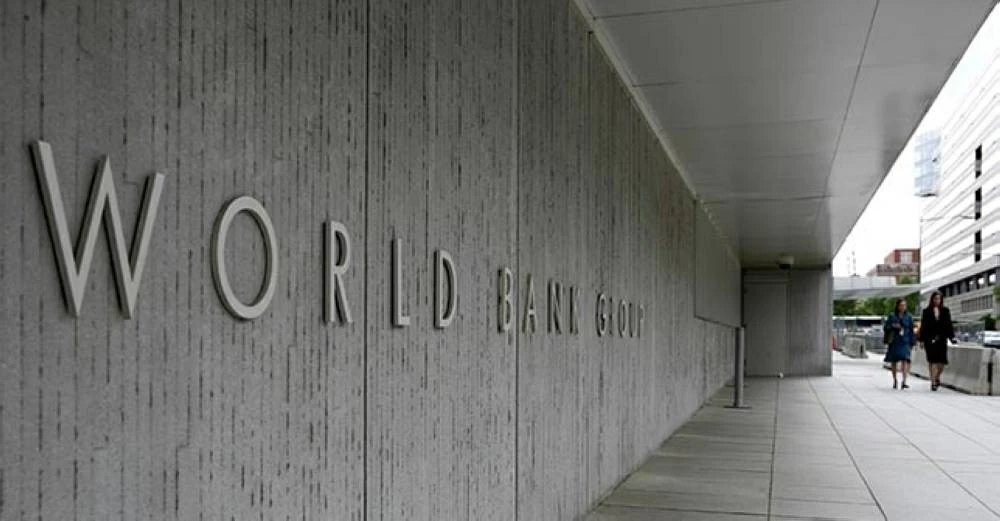
توقّعت مجموعة البنك الدولي أن تقفز أسعار الطاقة بنسبة 24% خلال عام 2026، لتسجل أعلى مستوياتها منذ الغزو الروسي واسع النطاق لأوكرانيا قبل أربع سنوات، وذلك في حال انتهاء أشد الاضطرابات الناتجة عن الحرب في الشرق الأوسط بحلول شهر مايو القادم.
وأوضح البنك، في أحدث تقرير له حول آفاق أسواق السلع الأساسية، أن أسعار السلع قد ترتفع بوتيرة أكبر في حال تصاعد التوترات في المنطقة واستمرار اضطرابات الإمدادات لفترة أطول من المتوقع.
سيناريو أساسي
وأشار إلى أن السيناريو الأساسي يفترض عودة تدريجية لحجم الشحنات عبر مضيق هرمز الحيوي إلى مستويات قريبة من ما قبل الحرب بحلول أكتوبر القادم، لكنه حذّر من أن المخاطر تميل بشكل واضح نحو تسجيل أسعار أعلى.
ويتوقع البنك ارتفاعاً بنسبة 16% في إجمالي أسعار السلع خلال عام 2026، مدفوعاً بارتفاع أسعار الطاقة والأسمدة، إلى جانب تسجيل عدة معادن رئيسية مستويات قياسية.
صدمة كبرى
وأكد البنك الدولي أن الهجمات على البنية التحتية للطاقة وتعطل الشحن في المضيق – الذي كان ينقل قبل الحرب نحو 35% من تجارة النفط الخام المنقول بحراً عالمياً – تسببت في أكبر صدمة لإمدادات النفط على الإطلاق.
وأشار إلى أن أسعار خام برنت كانت أعلى بأكثر من 50% في منتصف أبريل مقارنة ببداية العام. ومن المتوقع أن يبلغ متوسط سعر خام برنت نحو 86 دولاراً للبرميل في عام 2026، ارتفاعاً من 69 دولاراً في 2025.
ورجّح البنك أن تصل أسعار برنت إلى متوسط 115 دولاراً للبرميل هذا العام في حال تعرض منشآت النفط والغاز الحيوية لمزيد من الأضرار واستغرق تعافي الصادرات وقتاً أطول.
The World Bank Group has predicted that energy prices will jump by 24% by the year 2026, reaching their highest levels since the large-scale Russian invasion of Ukraine four years ago, provided that the worst disruptions caused by the war in the Middle East end by next May.
The bank explained in its latest report on commodity market outlooks that commodity prices could rise at an even faster pace if tensions in the region escalate and supply disruptions continue longer than expected.
Base Scenario
It noted that the base scenario assumes a gradual return of shipment volumes through the vital Strait of Hormuz to levels close to those before the war by next October, but it warned that the risks clearly lean towards recording higher prices.
The bank expects a 16% increase in overall commodity prices in 2026, driven by rising energy and fertilizer prices, along with several key metals reaching record levels.
Major Shock
The World Bank confirmed that attacks on energy infrastructure and shipping disruptions in the strait—which before the war transported about 35% of the world’s seaborne crude oil trade—have caused the largest shock to oil supplies ever.
It pointed out that Brent crude prices were more than 50% higher in mid-April compared to the beginning of the year. The average price of Brent crude is expected to reach about $86 per barrel in 2026, up from $69 in 2025.
The bank suggested that Brent prices could average $115 per barrel this year if vital oil and gas facilities suffer further damage and the recovery of exports takes longer.
للمزيد من المقالات
اضغط هنا