
إرث حضاري متجذر ورؤية تعزّز حضور التراث الوطني – أخبار السعودية
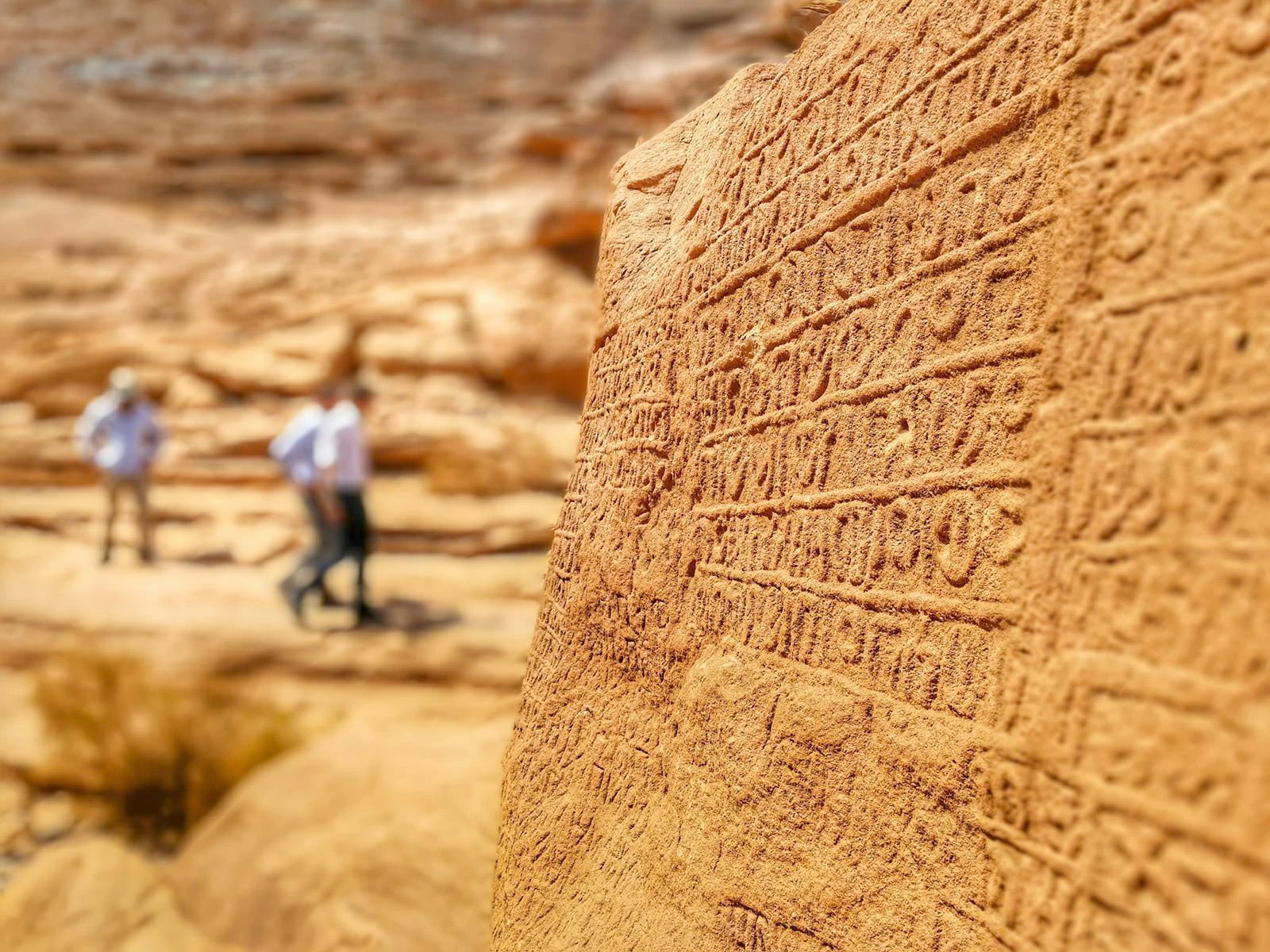
واكبت مناطق المملكة اليوم الدولي للمعالم والمواقع، أمس 18 أبريل، بإبراز إرثها العريق الذي يعكس عمقها الحضاري ودور تراثها في تشكيل الهوية، ويهدف هذا اليوم، الذي أقرّته اليونسكو 1983م، إلى تعزيز الوعي بأهمية التراث الثقافي وضرورة صونه، بوصفه شاهدًا على التجربة الإنسانية وتنوّعها عبر العصور.
وتجسّد مكة المكرمة، عمقها التاريخي ومكانتها الروحية والثقافية، باعتبارها مدينة تحتضن إرثًا إنسانيًا متفردًا يمتد لآلاف السنين، وتبرز العاصمة المقدسة نموذجًا للتراث المتجدد الذي يجمع بين القيم الدينية والموروث العمراني، في ظل جهود مستمرة لصون مواقعها التاريخية وتعزيز حضورها على خارطة التراث العالمي.
وتضم مكة المكرمة، عددًا من المعالم المرتبطة بالسيرة النبوية والأحياء التاريخية والمتاحف التي تنقل هذا الإرث للأجيال بأساليب حديثة.
وتبرز العُلا كأحد أهم مواقع التراث في المملكة بما تمتلكه من تنوّع حضاري وشواهد أثرية، وفي مقدمتها موقع الحِجر أول موقع سعودي مُدرج في قائمة اليونسكو، إضافة إلى البلدة القديمة التي تضم أكثر من 900 منزل طيني يعكس الطابع المعماري والاجتماعي للمنطقة، وتتميّز بتراث متنوّع يجمع بين العراقة وتعدّد الحضارات.
وفي جازان، يتجسّد التراث في تفاصيل الحياة اليومية، من العمارة التقليدية المتنوّعة بين الجبل والسهل والساحل، إلى الحرف اليدوية مثل القعايد والطواقي والمشغولات الصدفية، إضافة إلى الفنون الشعبية والأزياء التي تعكس هوية المكان.
وتعمل هيئة التراث على إحياء موروث المناطق عبر مبادرات تسهم في تعزيز حضور التراث كمورد ثقافي واقتصادي، وفي ربط الجيل الجديد بهويته، بما ينسجم مع مستهدفات رؤية المملكة 2030 في حماية التراث الوطني وتطويره.
The regions of the Kingdom celebrated the International Day for Monuments and Sites on April 18, by highlighting their rich heritage that reflects their cultural depth and the role of their heritage in shaping identity. This day, established by UNESCO in 1983, aims to raise awareness of the importance of cultural heritage and the necessity of preserving it, as it stands witness to human experience and its diversity throughout the ages.
Makkah Al-Mukarramah embodies its historical depth and spiritual and cultural significance, as it is a city that embraces a unique human heritage that extends for thousands of years. The holy capital represents a model of renewed heritage that combines religious values and architectural legacy, under ongoing efforts to preserve its historical sites and enhance its presence on the global heritage map.
Makkah Al-Mukarramah includes several landmarks associated with the prophetic biography, historical neighborhoods, and museums that convey this heritage to generations through modern methods.
Al-Ula stands out as one of the most important heritage sites in the Kingdom due to its cultural diversity and archaeological evidence, foremost among them the Al-Hijr site, the first Saudi site listed on the UNESCO World Heritage List, in addition to the old town that includes more than 900 mud houses reflecting the architectural and social character of the region, distinguished by a diverse heritage that combines antiquity and the multiplicity of civilizations.
In Jazan, heritage is manifested in the details of daily life, from traditional architecture varying between mountains, plains, and coasts, to handicrafts such as traditional caps, headgear, and mother-of-pearl crafts, in addition to folk arts and costumes that reflect the identity of the place.
The Heritage Commission works to revive the heritage of the regions through initiatives that contribute to enhancing the presence of heritage as a cultural and economic resource, and in connecting the new generation to its identity, in line with the objectives of the Kingdom’s Vision 2030 in protecting and developing national heritage.
للمزيد من المقالات
اضغط هنا