
السينما الفرنسية تودّع ناتالي باي.. نهاية فصل من الذاكرة الثقافية – أخبار السعودية
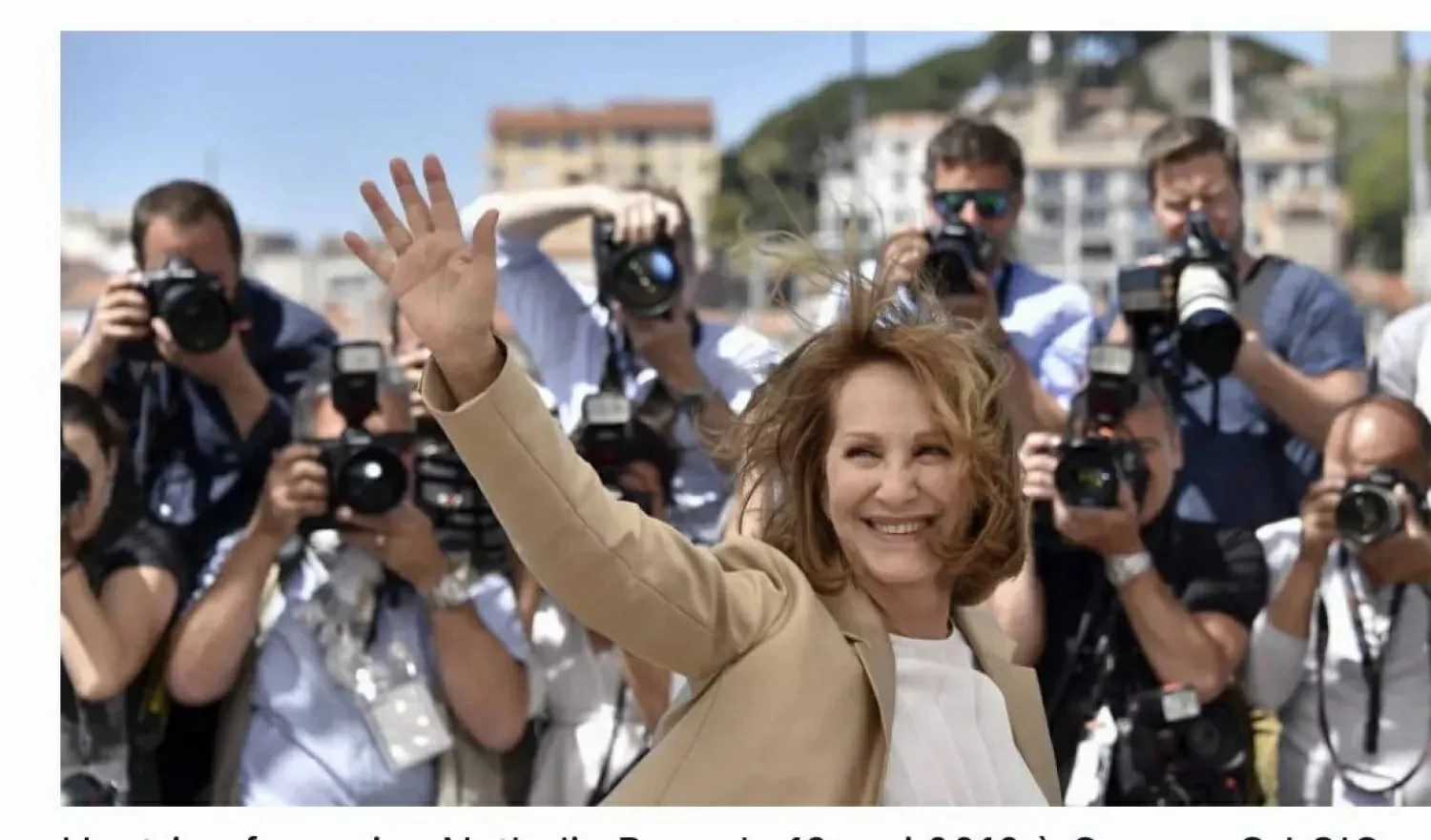
حين ترحل الأسماء الكبيرة، لا يُطوى مجرد فصل فني، بل تُغلق صفحة من الذاكرة الثقافية لدولة بأكملها. هكذا بدت لحظة إعلان وفاة أيقونة السينما الفرنسية الممثلة ناتالي باي، التي غادرت بهدوء في باريس، تاركة وراءها إرثاً يتجاوز الشاشة إلى عمق الهوية السينمائية الفرنسية.
أعلنت عائلتها وفاتها مساء 17 أبريل 2026 داخل منزلها في باريس، بعد صراع مع مرض عصبي تنكسي. ووفق ما نقلته وكالة «فرانس برس»، فإن السبب يعود إلى إصابتها بمرض أجسام ليوي، وهو اضطراب معقد يضرب الذاكرة والحركة، ويتقاطع في أعراضه مع ألزهايمر وباركنسون.
مسيرة باي لم تكن مجرد حضور فني، بل مشروع متكامل داخل صناعة السينما الفرنسية. فقد رسخت موقعها عبر تعاونات نوعية مع أعمدة الإخراج، من فرنسوا تروفو في La Nuit Américaine، إلى كلود شابرول في La Fleur du mal، وبرتران بلييه في Notre histoire، وصولاً إلى جيل أحدث مع كزافييه دولان في Juste la fin du monde.
ولم تقتصر تحركاتها على الفضاء الفرنسي، إذ اختبرت الحضور في السينما العالمية عبر مشاركتها في Catch Me If You Can للمخرج ستيفن سبيلبرغ، فأدت دور والدة ليوناردو دي كابريو، في خطوة عكست قدرتها على العبور بين المدارس السينمائية بثقة.
تتويجها بثلاث جوائز جائزة سيزار متتالية بين 1981 و1983 لم يكن مجرد إنجاز رقمي، بل تكريس لمكانتها كإحدى ركائز السينما الفرنسية الحديثة.
سياسياً وثقافياً، لم يمر رحيلها بصمت؛ إذ عبّرت وزيرة الثقافة الفرنسية كاثرين بيغار عن حزنها، معتبرة أن باي كانت جزءاً من القوة الناعمة لفرنسا، وأسهمت في تشكيل صورتها الثقافية عالمياً.
برحيل ناتالي باي، تخسر السينما الفرنسية وجهاً من وجوهها الصلبة تلك التي لم تكتفِ بالتمثيل، بل ساهمت في صياغة ملامح مرحلة كاملة من تاريخ الفن.
When great names depart, it is not merely a chapter of art that closes, but a page of the cultural memory of an entire nation. This was the moment of announcing the death of the French cinema icon, actress Nathalie Baye, who quietly left us in Paris, leaving behind a legacy that transcends the screen to the very core of French cinematic identity.
Her family announced her passing on the evening of April 17, 2026, at her home in Paris, after a battle with a degenerative neurological disease. According to what was reported by the Agence France-Presse, the cause was due to her suffering from Lewy body disease, a complex disorder that affects memory and movement, with symptoms overlapping with Alzheimer’s and Parkinson’s.
Baye’s career was not just a presence in the arts, but a comprehensive project within the French film industry. She established her position through quality collaborations with directing pillars, from François Truffaut in La Nuit Américaine, to Claude Chabrol in La Fleur du mal, and Bertrand Blier in Notre histoire, reaching out to a newer generation with Xavier Dolan in Juste la fin du monde.
Her movements were not limited to the French space, as she tested her presence in global cinema through her participation in Catch Me If You Can directed by Steven Spielberg, where she played the role of Leonardo DiCaprio’s mother, a step that reflected her ability to navigate between cinematic schools with confidence.
Her crowning with three consecutive César Awards between 1981 and 1983 was not merely a numerical achievement, but a confirmation of her status as one of the cornerstones of modern French cinema.
Politically and culturally, her departure did not go unnoticed; French Culture Minister Catherine Colonna expressed her sadness, considering that Baye was part of France’s soft power and contributed to shaping its cultural image globally.
With the passing of Nathalie Baye, French cinema loses one of its solid faces, one that did not merely confine herself to acting but contributed to shaping the features of an entire era in the history of art.
للمزيد من المقالات
اضغط هنا