
هل تعرف المدن السعودية المنتجة للطاقة المتجددة التي قد تسمع عنها لأول مرة؟ – أخبار السعودية
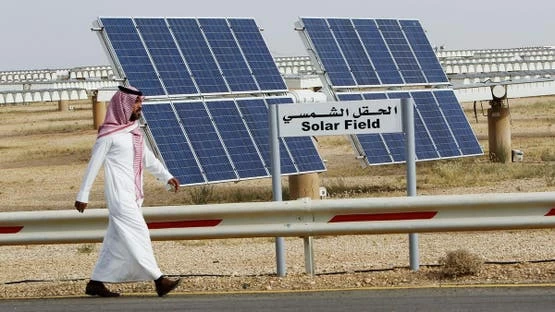
استعرض تقرير الرؤية السنوي لعام 2025 نمو مشاريع الطاقة المتجددة في المملكة، مدفوعاً بالتوجهات الإستراتيجية لتنويع مزيج الطاقة الوطني، واستثمار الموارد الطبيعية الوفيرة، وتعزيز حضور السعودية في سوق الطاقة النظيفة إقليمياً وعالمياً.
ووفق ما كشفه التقرير، بلغ إجمالي سعات مشاريع الطاقة المتجددة المطروحة في المملكة حتى نهاية 2025 نحو 64 غيغاواط، تشمل مشاريع الطاقة الشمسية، وطاقة الرياح، ومشاريع تخزين الطاقة، في مؤشر يعكس توسعاً نوعياً في البنية الإنتاجية للطاقة النظيفة.
وسجلت المشاريع المطروحة خلال 2025 وحده نحو 20.6 غيغاواط، فيما بلغ إجمالي السعات المرتبطة بالشبكة الكهربائية بنهاية العام 12.3 غيغاواط، بما يعكس انتقال عدد من المشاريع من مرحلة الطرح والتطوير إلى مرحلة الربط الفعلي بالشبكة ورفع جاهزية الإمداد.
وفي جانب تخزين الطاقة، أشار التقرير إلى أن إجمالي سعات مشاريع تخزين الطاقة بتقنية البطاريات المطروحة بلغ 30 غيغاواط/ساعة بنهاية 2025، فيما وصلت السعات المرتبطة بالشبكة الكهربائية إلى 8 غيغاواط/ساعة، وهو ما يعزز مرونة الشبكة، ويدعم موثوقية الإمدادات، ويحد من تحديات التذبذب المرتبطة بمصادر الطاقة المتجددة.
كما أبرز التقرير استمرار المملكة في تسجيل أرقام قياسية في تكلفة إنتاج الكهرباء من المصادر المتجددة؛ إذ سجل مشروع الشعيبة للطاقة الشمسية تكلفة بلغت 1.04 سنت أمريكي لكل كيلوواط/ساعة، بوصفه الأقل تكلفة عالمياً في الطاقة الشمسية، فيما جاء مشروع نجران ثانياً عالمياً بتكلفة 1.09 سنت أمريكي لكل كيلوواط/ساعة.
وفي طاقة الرياح، سجل مشروع الدوادمي تكلفة إنتاج بلغت 1.33 سنت أمريكي لكل كيلوواط/ساعة، فيما سجل مشروع الغاط 1.57 سنت أمريكي لكل كيلوواط/ساعة، وهي أرقام تعكس تحسن كفاءة التطوير، وتنافسية الموارد الطبيعية، وتقدم نماذج الشراء والتعاقد في مشاريع الطاقة المتجددة.
وتحمل هذه المؤشرات دلالة اقتصادية وفنية مهمة؛ إذ لم تعد مشاريع الطاقة المتجددة في المملكة مجرد توسع في السعات الإنتاجية، وإنما تحولت إلى منظومة متكاملة تشمل الطرح، والتمويل، والربط بالشبكة، والتخزين، وخفض التكلفة، بما يدعم أمن الطاقة ويرفع كفاءة مزيج الطاقة الوطني.
ويؤكد تقرير الرؤية السنوي 2025 أن المملكة تمضي في بناء قطاع طاقة متجددة قادر على الجمع بين الوفرة الطبيعية، والتنافسية السعرية، وموثوقية الشبكة، وتوطين سلاسل الإمداد، بما يعزز مكانتها بوصفها لاعباً رئيسياً في مستقبل الطاقة النظيفة عالمياً.
The annual vision report for 2025 showcased the growth of renewable energy projects in the Kingdom, driven by strategic trends to diversify the national energy mix, invest in abundant natural resources, and enhance Saudi Arabia’s presence in the clean energy market regionally and globally.
According to the report, the total capacity of renewable energy projects proposed in the Kingdom by the end of 2025 is approximately 64 gigawatts, including solar energy projects, wind energy, and energy storage projects, indicating a qualitative expansion in the productive infrastructure of clean energy.
The projects proposed in 2025 alone recorded about 20.6 gigawatts, while the total capacities connected to the electrical grid by the end of the year reached 12.3 gigawatts, reflecting the transition of several projects from the proposal and development phase to the actual connection phase with the grid and enhancing supply readiness.
In the area of energy storage, the report indicated that the total capacity of battery storage projects proposed reached 30 gigawatt-hours by the end of 2025, while the capacities connected to the electrical grid reached 8 gigawatt-hours, which enhances the flexibility of the grid, supports supply reliability, and mitigates the challenges of fluctuations associated with renewable energy sources.
The report also highlighted the Kingdom’s continued achievement of record figures in the cost of electricity production from renewable sources; the Shuaiba solar power project recorded a cost of 1.04 cents per kilowatt-hour, making it the lowest cost globally in solar energy, while the Najran project came second globally with a cost of 1.09 cents per kilowatt-hour.
In wind energy, the Al-Dawadmi project recorded a production cost of 1.33 cents per kilowatt-hour, while the Al-Ghat project recorded 1.57 cents per kilowatt-hour, figures that reflect improved development efficiency, competitiveness of natural resources, and advancements in purchasing and contracting models in renewable energy projects.
These indicators carry significant economic and technical implications; renewable energy projects in the Kingdom are no longer merely an expansion of production capacities but have transformed into an integrated system that includes proposal, financing, grid connection, storage, and cost reduction, supporting energy security and enhancing the efficiency of the national energy mix.
The annual vision report 2025 confirms that the Kingdom is progressing in building a renewable energy sector capable of combining natural abundance, price competitiveness, grid reliability, and localizing supply chains, thereby enhancing its position as a key player in the future of clean energy globally.
للمزيد من المقالات
اضغط هنا