حرب الظل في هرمز.. «البعوض الإيراني» في مواجهة الأسطول الأمريكي – أخبار السعودية
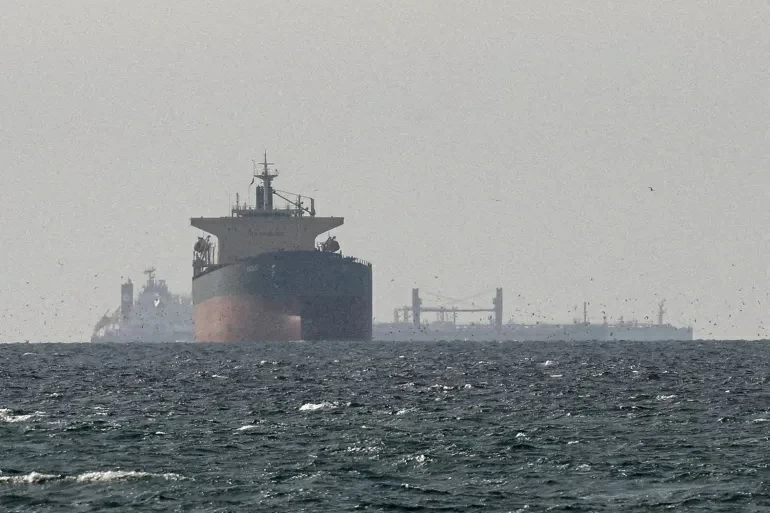
تصعيد غير مسبوق بين الولايات المتحدة وإيران في مضيق هرمز، إذ تسعى كل منهما رغم اتفاق وقف إطلاق النار، إلى فرض سيطرة فعلية على الممر الملاحي، الذي يمر عبره نحو خُمس إمدادات الطاقة العالمية.
مرحلة صراع السيطرة
وأفادت «نيويورك تايمز» بأن البلدين دخلا مرحلة جديدة عنوانها «صراع السيطرة»، وأعلنت الولايات المتحدة بوضوح، على لسان وزير الحرب بيت هيغسيث، أنها ستواصل فرض حصار بحري على المضيق والموانئ الإيرانية مهما طال الأمر، في محاولة للضغط على طهران للوصول إلى اتفاق سلام دائم.
وردت إيران بإجراءات ميدانية وتصريحات حادة، مؤكدة أنها لن تسمح بمرور أي سفينة دون موافقة الحرس الثوري، وذهبت إلى حد التلويح باستخدام تكتيكات عسكرية غير تقليدية، مثل تمركز مقاتلين في كهوف بحرية لشن هجمات مباغتة.
تكدّس مئات السفن
وحسب الصحيفة الأمريكية، فإن هذا التداخل في إجراءات السيطرة جعل تحديد الجهة التي تفرض سيادتها الفعلية على المضيق يبدو أمراً شبه مستحيل، لكن النتيجة الأبرز على الأرض هي شبه شلل في حركة الملاحة البحرية، وتوقف معظم السفن عن التحرك وسط مخاوف من الألغام البحرية أو التعرض لهجمات.
حالة الغموض والخوف أدت إلى تكدس مئات السفن داخل الخليج، في وقت لا تزال فيه حركة العبور أقل بكثير من معدلاتها الطبيعية، رغم أن إيران تسمح بمرور محدود لبعض السفن عبر مسارات قريبة من سواحلها وتحت إشرافها المباشر، في محاولة لإظهار قدرتها على التحكم بالممر.
وتسعى طهران إلى تعزيز نفوذها عبر فرض تصاريح مرور وربما رسوم على السفن، ما يعكس توجهاً نحو «إدارة المضيق» بدل الاكتفاء بتهديده.
إضعاف البحرية الإيرانية
وعلى الرغم من الضربات التي أضعفت البحرية الإيرانية لا تزال طهران قادرة على تعطيل الملاحة باستخدام ما يُعرف بـ«أسطول البعوض»، وهو مجموعة من القوارب الصغيرة والسريعة المدعومة بالصواريخ والطائرات المسيّرة، إضافة إلى استخدام الألغام البحرية لإجبار السفن على المرور عبر ممرات تمكن السيطرة عليها بسهولة.
فيما تعتمد الولايات المتحدة على تفوقها العسكري التقليدي، وقد نشرت سفناً حربية ووفرت غطاءً جوياً مكثفاً لمراقبة وتعقب السفن، خصوصاً تلك المرتبطة بإيران، كما أعلنت اعتراض عشرات السفن وإجبارها على العودة، بل واحتجاز إحداها، في خطوة أثارت اتهامات إيرانية لها بالقرصنة.
سفن اخترقت الحصار
ورغم الحصار الشديد، كشفت تقارير أن بعض السفن تمكنت من اختراق الحصار عبر وسائل خداع تقنية، مثل تغيير بياناتها أو إيقاف أجهزة التتبع، مما يكشف ثغرات في نظام الرقابة، حسب المراسل.
ووفق الصحيفة، فقد انعكست الأزمة سريعاً على الأسواق العالمية، وأدت إلى ارتفاع أسعار النفط مجدداً، إلى نحو 100 دولار للبرميل، ما يؤكد أن مضيق هرمز لم يعد مجرد ممر بحري، بل أصبح ورقة ضغط إستراتيجية ذات تأثير مباشر على الاقتصاد العالمي.
واعتبر التقرير أن مضيق هرمز دخل مرحلة «اللا سيطرة الكاملة»، حيث لا يملك أي طرف الهيمنة المطلقة، في وقت يدفع فيه العالم ثمن هذا التوازن الهش عبر اضطراب الأسواق وتهديد أمن الطاقة.
An unprecedented escalation between the United States and Iran in the Strait of Hormuz, as both seek, despite a ceasefire agreement, to impose actual control over the maritime passage through which about one-fifth of the world’s energy supplies pass.
Phase of Control Struggle
The “New York Times” reported that the two countries have entered a new phase titled “struggle for control,” with the United States clearly stating, through Defense Secretary Pete Hegseth, that it will continue to impose a naval blockade on the strait and Iranian ports for as long as necessary, in an attempt to pressure Tehran into reaching a permanent peace agreement.
Iran responded with field actions and sharp statements, asserting that it would not allow any ship to pass without the approval of the Revolutionary Guard, even going so far as to hint at using unconventional military tactics, such as positioning fighters in underwater caves to launch surprise attacks.
Congestion of Hundreds of Ships
According to the American newspaper, this overlap in control measures has made it nearly impossible to determine which party is exerting actual sovereignty over the strait. However, the most notable result on the ground is a near paralysis of maritime traffic, with most ships halting their movements amid fears of naval mines or attacks.
The state of ambiguity and fear has led to the congestion of hundreds of ships within the Gulf, at a time when transit movements remain significantly below their normal rates, even though Iran allows limited passage for some ships through routes close to its shores and under its direct supervision, in an attempt to demonstrate its ability to control the passage.
Tehran seeks to enhance its influence by imposing transit permits and possibly fees on ships, reflecting a trend towards “managing the strait” rather than merely threatening it.
Weakening the Iranian Navy
Despite the strikes that have weakened the Iranian navy, Tehran is still capable of disrupting navigation using what is known as the “mosquito fleet,” a group of small, fast boats armed with missiles and drones, in addition to using naval mines to force ships to pass through corridors that can be easily controlled.
Meanwhile, the United States relies on its conventional military superiority, having deployed warships and provided intensive air cover to monitor and track ships, especially those linked to Iran. It has also announced the interception of dozens of ships and forced them to return, even detaining one of them, a move that has drawn Iranian accusations of piracy.
Ships Breaching the Blockade
Despite the strict blockade, reports revealed that some ships managed to breach it through technical deception methods, such as altering their data or turning off tracking devices, exposing vulnerabilities in the monitoring system, according to the correspondent.
According to the newspaper, the crisis quickly reflected on global markets, leading to a resurgence in oil prices to around $100 per barrel, confirming that the Strait of Hormuz is no longer just a maritime passage, but has become a strategic pressure point with a direct impact on the global economy.
The report considered that the Strait of Hormuz has entered a phase of “complete lack of control,” where no party holds absolute dominance, at a time when the world is paying the price for this fragile balance through market disruptions and threats to energy security.
للمزيد من المقالات
اضغط هنا