
وسط تراجع في المنافسة.. الفلسطينيون ينتخبون المجالس المحلية.. غداً – أخبار السعودية
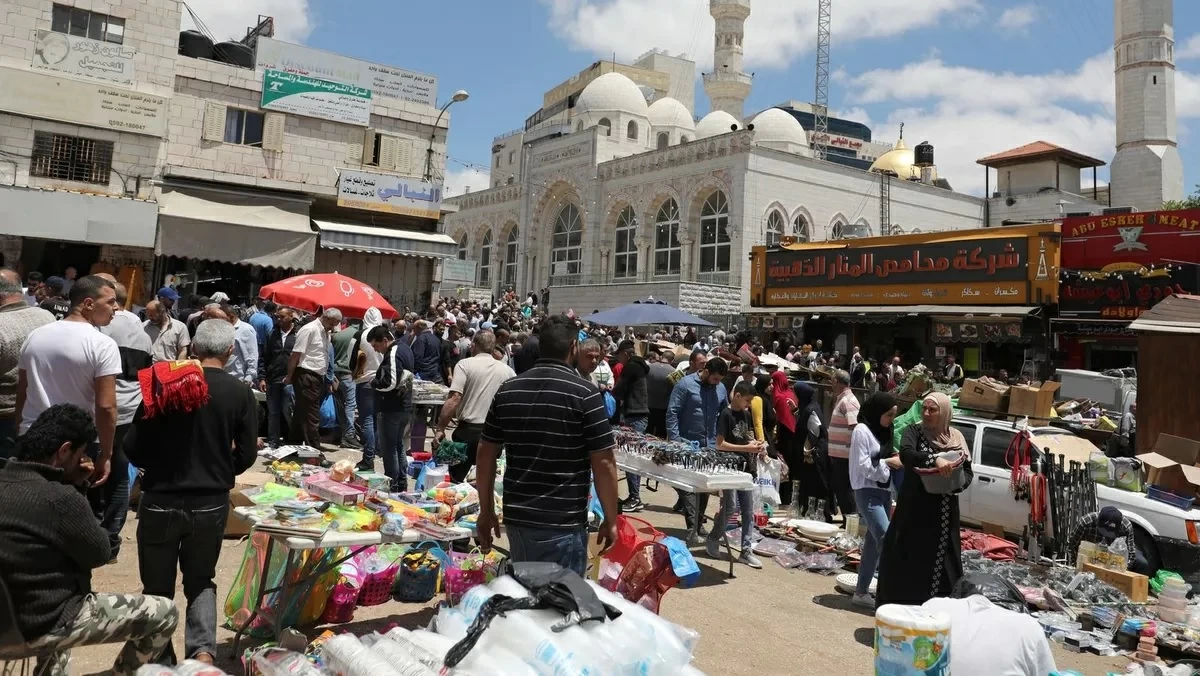
تنطلق انتخابات المجالس المحلية الفلسطينية، غدا السبت، وسط تراجع كبير في المنافسة بين القوى السياسية، وغابت حركة حماس والجبهة الشعبية كلياً عن المنافسة.
ويبلغ عدد المجالس والهيئات المحلية في الضفة الغربية 420 وفي قطاع غزة 25. وتجرى الانتخابات في 183 هيئة فيما تفوز القوائم المرشحة في باقي الهيئات بالتزكية نظراً لعدم وجود كتل متنافسة.
ويبلغ عدد الناخبين في التجمعات التي ستشهد انتخابات مليون ناخب يشكلون 67% من الناخبين المسجلين.
وأظهرت سجلات لجنة الانتخابات المركزية، أن 87% من الكتل التي تتنافس على المجالس، وهي كتل مستقلة تضم فنيين ونشطاء محليين وممثلي عائلات، وأن 13% فقط كتل حزبية تمثل حركة «فتح» المتحالفة مع بعض القوى في منظمة التحرير والعائلات.
وتجري الانتخابات في الضفة الغربية ومدينة واحدة في قطاع غزة، هي دير البلح والتي لم تتعرض للتدمير في الحرب الإسرائيلية التي استمرت عامين.
وتتنافس في مدينة دير البلح 4 كتل جميعها من المستقلين، وإن كانت تضم نشطاء سابقين في قوى سياسية مختلفة.
وخلت بعض المدن الكبرى من الكتل المنافسة مثل مدينة رام الله التي تخوض الانتخابات فيها كتلة واحدة شكلتها حركة «فتح»، وعلى غرارها مدن نابلس وقلقيلية. وستفوز الكتل الوحيدة المرشحة في هذه المدن بالتزكية.
وأدخلت السلطة الفلسطينية تعديلاً على قانون انتخابات المجلس المحلية ينص على إقرار المرشحين بأنهم يلتزمون ببرنامج السلطة الفلسطينية، والتزاماتها الدولية، وقرارات الشرعية الدولية، ما أثار جدلاً واسعاً في الشارع الفلسطيني، واعتبره العديد إلزاماً للمرشح بالاعتراف بالتزامات غير مرغوب فيها مثل الاعتراف بدولة إسرائيل المحتلة.
وعارضت العديد من القوى السياسية مثل حماس والجبهة الشعبية، والعديد من المؤسسات الحقوقية هذا الشرط واعتبرته قيداً على العملية الديمقراطية.
وأثرت الظروف الأمنية السائدة في الضفة الغربية على مشاركة بعض القوى السياسية في الانتخابات.
ولفت مراقبون إلى أن الأوضاع الاقتصادية الصعبة التي تشهدها الأراضي الفلسطينية أثرت على المزاج الانتخابي، إذ وصلت البطالة إلى معدلات كبيرة غير مسبوقة (37% في الضفة الغربية و80% في قطاع غزة) جراء الإجراءات الإسرائيلية القاسية التي ترافقت مع الحرب مثل منع دخول العمال إلى إسرائيل، واحتجاز الإيرادات الجمركية للحكومة الفلسطينية، وفرض الحواجز والإغلاقات، واعتقال المواطنين على خلفية الرأي السياسي، والتعليق، والنشر، وغيرها.
The Palestinian local council elections will kick off tomorrow, Saturday, amidst a significant decline in competition among political forces, with Hamas and the Popular Front completely absent from the competition.
The number of local councils and bodies in the West Bank is 420, and in the Gaza Strip, it is 25. Elections will be held in 183 bodies, while the candidate lists in the remaining bodies will win by acclamation due to the absence of competing blocs.
The number of voters in the areas that will witness elections is one million, representing 67% of registered voters.
Records from the Central Elections Commission show that 87% of the blocs competing for the councils are independent blocs comprising technicians, local activists, and family representatives, while only 13% are party blocs representing the “Fatah” movement allied with some forces in the Palestine Liberation Organization and families.
The elections are taking place in the West Bank and one city in the Gaza Strip, which is Deir al-Balah, that was not destroyed in the two-year-long Israeli war.
In Deir al-Balah, four blocs are competing, all of which are independents, although they include former activists from various political forces.
Some major cities are devoid of competing blocs, such as Ramallah, where only one bloc formed by the “Fatah” movement is contesting the elections, similar to the cities of Nablus and Qalqilya. The only candidate blocs in these cities will win by acclamation.
The Palestinian Authority introduced an amendment to the local council election law stipulating that candidates must declare their commitment to the Palestinian Authority’s program, its international obligations, and international legitimacy resolutions, which has sparked widespread controversy in the Palestinian street, with many considering it a requirement for candidates to recognize undesirable commitments such as recognizing the occupying State of Israel.
Many political forces, such as Hamas and the Popular Front, along with numerous human rights organizations, opposed this condition, deeming it a constraint on the democratic process.
The prevailing security conditions in the West Bank have affected the participation of some political forces in the elections.
Observers noted that the difficult economic conditions in the Palestinian territories have influenced the electoral mood, as unemployment has reached unprecedented high rates (37% in the West Bank and 80% in the Gaza Strip) due to harsh Israeli measures that accompanied the war, such as preventing workers from entering Israel, withholding customs revenues from the Palestinian government, imposing checkpoints and closures, and arresting citizens based on political opinion, commentary, and publication, among others.
للمزيد من المقالات
اضغط هنا