
الأمم المتحدة: 8,000 ضحية على طرق الهجرة.. والبحر نحو أوروبا الأكثر فتكاً – أخبار السعودية
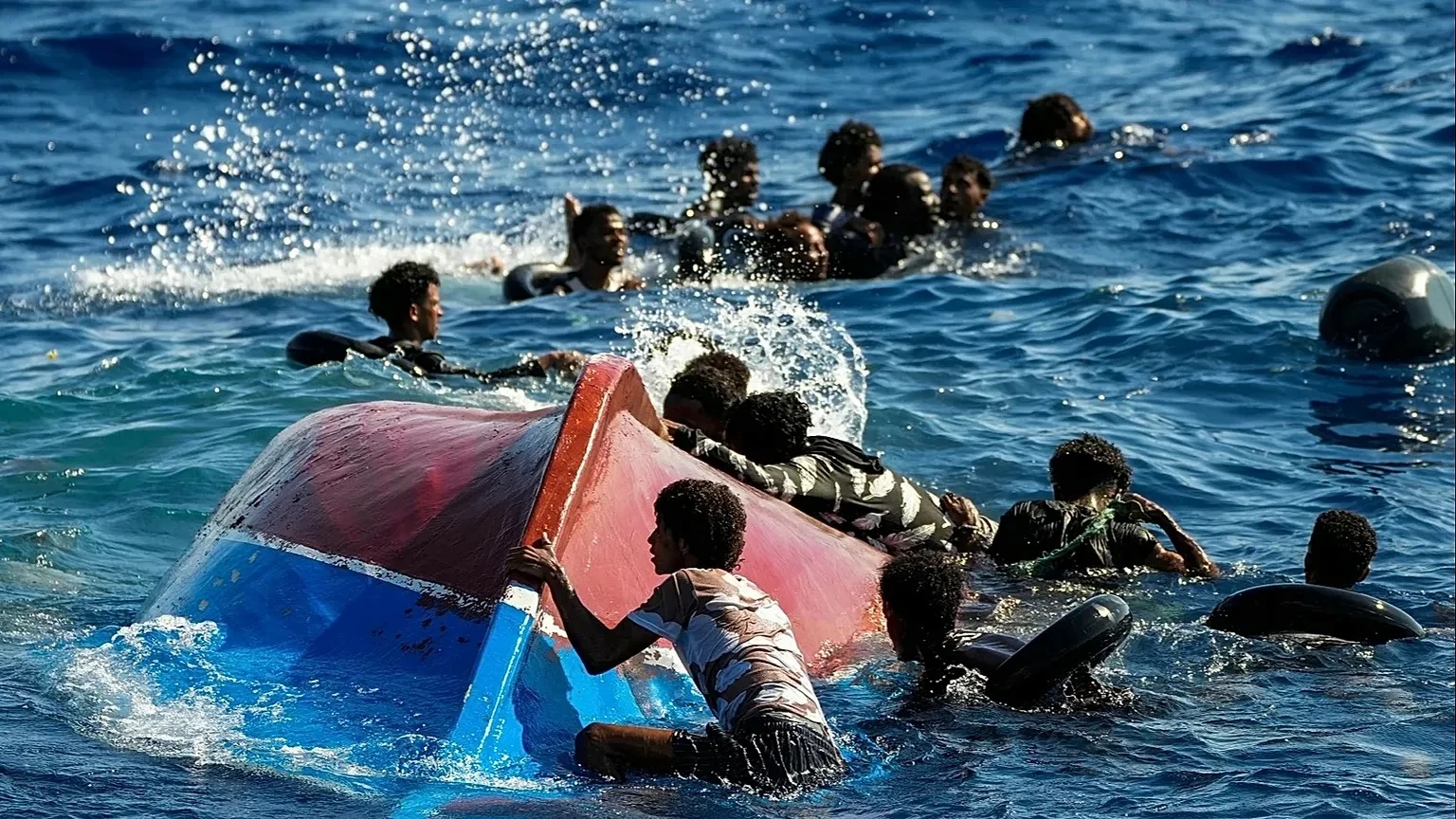
أفادت الأمم المتحدة بأن نحو 8,000 شخص لقوا حتفهم أو فُقدوا على طرق الهجرة خلال العام الماضي، في ظل تصدّر المسارات البحرية المؤدية إلى أوروبا قائمة الطرق الأكثر خطورة، مع تسجيل العديد من الضحايا ضمن ما يُعرف بـ«حوادث الغرق غير المرئية».
وقالت مديرة إدارة الشؤون الإنسانية والاستجابة في المنظمة الدولية للهجرة ماريا مويتا، خلال مؤتمر صحفي في جنيف: إن هذه الأرقام «تعكس فشلاً جماعياً في منع وقوع مثل هذه المآسي».
وبحسب المنظمة، بلغ عدد الوفيات والمفقودين 7,904 أشخاص، بانخفاض عن الرقم القياسي المسجل في عام 2024 الذي بلغ 9,197 حالة. إلا أن هذا التراجع النسبي يُعزى جزئياً إلى وجود نحو 1,500 حالة يُشتبه بها لم يتم التحقق منها بسبب تقليص المساعدات.
وأشارت البيانات إلى أن أكثر من 40% من حالات الوفاة والاختفاء وقعت على الطرق البحرية المؤدية إلى أوروبا، إذ سُجّل عدد كبير من الحوادث ضمن فئة «الغرق غير المرئي»، وهي الحالات التي تختفي فيها القوارب بالكامل في عرض البحر دون العثور على أي أثر لها.
كما لفت التقرير إلى أن الطريق الممتد من غرب أفريقيا شمالاً نحو أوروبا شهد نحو 1,200 حالة وفاة، في حين سجلت آسيا عدداً قياسياً من الضحايا، بينهم مئات اللاجئين من أقلية الروهينغا الفارين من العنف في ميانمار أو من الظروف القاسية في مخيمات اللجوء المكتظة في بنغلاديش.
من جانبها، قالت المديرة العامة للمنظمة الدولية للهجرة إيمي بوب، إن مسارات الهجرة تتغير استجابة للنزاعات والضغوط المناخية والتغيرات في السياسات، لكن المخاطر لا تزال حقيقية، مضيفة: خلف هذه الأرقام يقف أشخاص يخوضون رحلات محفوفة بالمخاطر، وعائلات تنتظر أخباراً قد لا تصل أبداً.
The United Nations reported that around 8,000 people have died or gone missing on migration routes over the past year, with maritime routes leading to Europe topping the list of the most dangerous pathways, as many victims were recorded in what are known as “invisible drowning incidents.”
Maria Muita, Director of the Department of Humanitarian Affairs and Response at the International Organization for Migration, stated during a press conference in Geneva that these figures “reflect a collective failure to prevent such tragedies.”
According to the organization, the number of deaths and missing persons reached 7,904, a decrease from the record number of 9,197 cases registered in 2024. However, this relative decline is partly attributed to around 1,500 suspected cases that have not been verified due to reduced aid.
The data indicated that more than 40% of the deaths and disappearances occurred on maritime routes leading to Europe, with a significant number of incidents recorded in the category of “invisible drowning,” which refers to cases where boats completely disappear at sea without any trace.
The report also pointed out that the route extending from West Africa northward to Europe witnessed around 1,200 deaths, while Asia recorded a record number of victims, including hundreds of refugees from the Rohingya minority fleeing violence in Myanmar or harsh conditions in overcrowded refugee camps in Bangladesh.
For her part, the Director General of the International Organization for Migration, Amy Pope, stated that migration routes are changing in response to conflicts, climate pressures, and policy changes, but the risks remain real, adding: Behind these numbers are individuals undertaking perilous journeys and families waiting for news that may never arrive.
للمزيد من المقالات
اضغط هنا