
وادي السيليكون.. يطارد الرقائق – أخبار السعودية
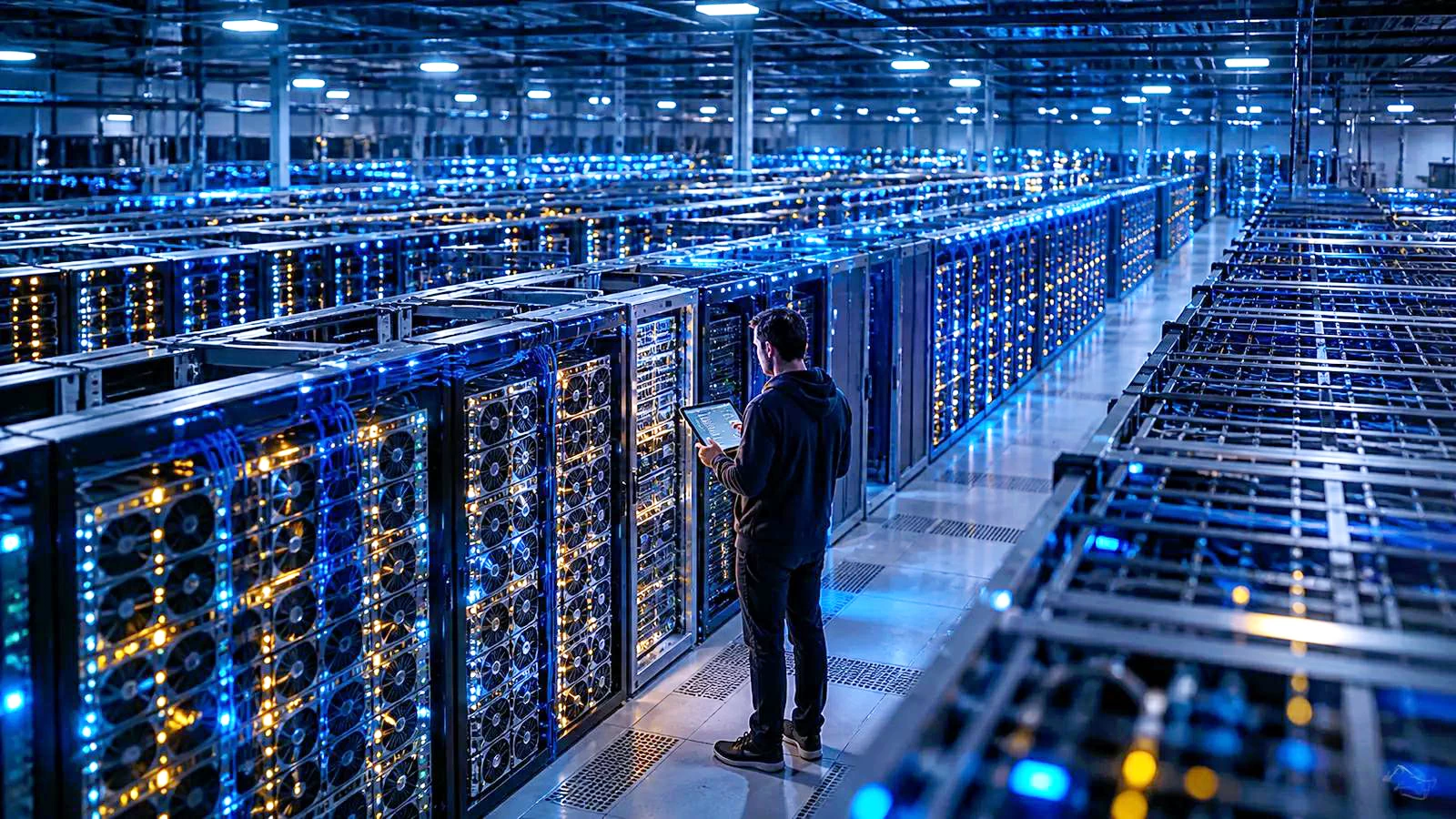
تواجه شركات الذكاء الاصطناعي العالمية تحدياً متزايداً في تأمين القدرات الحاسوبية اللازمة لتطوير نماذجها وتشغيلها، مع اشتداد المنافسة على المعالجات المتقدمة ومراكز البيانات، في وقت تتسارع فيه الاستثمارات التقنية وتتزايد متطلبات تشغيل الأنظمة الذكية.
وتبرز شركات «قوقل» و«OpenAI» و«Anthropic»، ضمن أطراف المنافسة على موارد الحوسبة، وسط ضغوط مرتبطة بارتفاع تكاليف استئجار المعالجات وتوفير البنية التحتية اللازمة لتدريب النماذج وتشغيلها، وفق ما تناولته صحيفة «وول ستريت جورنال». وتكشف هذه التطورات عن فجوة متنامية بين طموحات الشركات لتطوير أنظمة أكثر تقدماً وقدرة على تنفيذ المهام المعقدة، والإمكانات المتاحة لتشغيلها بكفاءة اقتصادية، خصوصاً مع اتساع الاعتماد على الذكاء الاصطناعي في التطبيقات والخدمات الرقمية.
وتتجاوز الأزمة مسألة توفير الرقائق الإلكترونية إلى تحديات إنشاء مراكز البيانات وتجهيزها بالطاقة والتبريد والاتصالات، وهي متطلبات تفرض استثمارات ضخمة وتزيد تعقيدات التوسع، فيما قد تؤثر محدودية الموارد الحاسوبية في الجداول الزمنية لبعض المشاريع. ويضع هذا المشهد الشركات أمام معادلة اقتصادية دقيقة، تجمع بين ضرورة الاستثمار في البنية التحتية والمحافظة على القدرة التنافسية، مقابل ضغوط التكاليف والحاجة إلى تحقيق عوائد تجارية تتناسب مع حجم الإنفاق.
ومع استمرار السباق العالمي، تتجه المنافسة نحو امتلاك القدرة على تشغيل الذكاء الاصطناعي بتكلفة أقل وكفاءة أعلى، بعدما أصبحت البنية التحتية الحاسوبية عنصراً حاسماً في تحديد سرعة الابتكار وحدود التوسع، وليس مجرد وسيلة تقنية مساندة.
Global artificial intelligence companies are facing an increasing challenge in securing the necessary computing capabilities to develop and operate their models, as competition intensifies for advanced processors and data centers, at a time when technological investments are accelerating and the requirements for operating intelligent systems are increasing.
Companies like “Google,” “OpenAI,” and “Anthropic” are emerging as key players in the competition for computing resources, amidst pressures related to rising costs of renting processors and providing the infrastructure needed to train and operate models, according to what was reported by the “Wall Street Journal.” These developments reveal a growing gap between companies’ ambitions to develop more advanced systems capable of executing complex tasks and the available capabilities to operate them efficiently, especially with the increasing reliance on artificial intelligence in digital applications and services.
The crisis goes beyond the issue of providing electronic chips to challenges related to establishing data centers equipped with power, cooling, and communications, which are requirements that impose massive investments and complicate expansion efforts, while the limitation of computing resources may affect the timelines of some projects. This scenario places companies in front of a delicate economic equation, balancing the necessity of investing in infrastructure while maintaining competitiveness against cost pressures and the need to achieve commercial returns that align with the scale of spending.
As the global race continues, competition is shifting towards possessing the ability to operate artificial intelligence at a lower cost and higher efficiency, as computing infrastructure has become a critical element in determining the speed of innovation and the limits of expansion, rather than just a supportive technical means.
للمزيد من المقالات
اضغط هنا
التعليقات