
نائب ترمب يشعل غضب الهند بتصريحات عن «الخدم بعقود» – أخبار السعودية
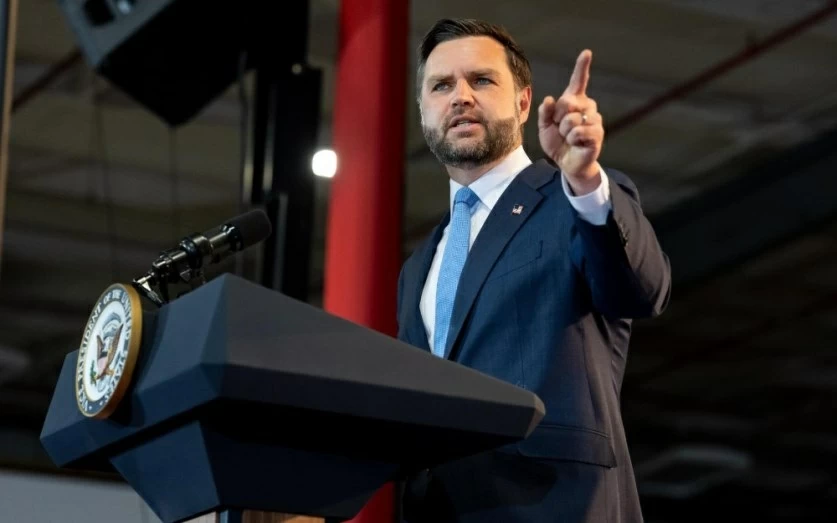
صعّدت الهند لهجتها تجاه واشنطن، بعد وصف نائب الرئيس الأمريكي جي دي فانس العمالة الهندية في الولايات المتحدة بـ«الخدم بعقود»، معتبرة تصريحاته مسيئة وتتجاهل إسهام المهنيين الهنود في الاقتصاد الأمريكي، في وقت تشدد فيه إدارة الرئيس دونالد ترمب القيود على برامج توظيف العمالة الأجنبية.
وقالت وزارة الخارجية الهندية، إن هذه الأوصاف «غير مبررة» وتتجاهل حقيقة أن المهنيين الهنود في الولايات المتحدة يتمتعون بمستويات تعليمية مرتفعة ومهارات متخصصة، ويسهمون في الاقتصاد الأمريكي ومنظومة الابتكار.
وأضافت الوزارة أن استخدام مصطلحات تحمل دلالات تاريخية واستعمارية مؤلمة يمثل إساءة بالغة، مشددة على أن انتقال الكفاءات بين البلدين يحقق فوائد متبادلة، إذ يوفر فرصاً للمهنيين الهنود، ويمنح الشركات الأمريكية خبرات متقدمة تدعم الابتكار والأبحاث والإنتاجية والتنافسية وخلق الوظائف.
وجاء الرد الهندي عقب تصريحات لفانس خلال إعلان إجراءات أمريكية تستهدف شركات تكنولوجية كبرى، اتهمتها الإدارة الأمريكية بإساءة استخدام برامج توظيف العمالة الأجنبية على حساب الموظفين الأمريكيين.
وقال فانس إن بعض الشركات تستقدم «خدماً بعقود» من الخارج، بالتزامن مع تسريح عمال أمريكيين، معتبراً أن هذا النهج يسمح للشركات بخفض تكاليف العمالة على حساب الأمريكيين، حيث ربط نائب الرئيس هذه الانتقادات بما وصفه باستغلال نظام التأشيرات والإضرار بفرص العمل والأجور داخل الولايات المتحدة.
وفي خطوة موازية، أعلنت وزارة العمل الأمريكية تعليق قبول ومعالجة طلبات شهادة العمل الدائمة «PERM» المقدمة من ثماني شركات، هي «مايكروسوفت» و«أدوبي» و«إنفوسيس» و«تاتا للاستشارات» و«ويبرو» و«إتش سي إل» و«كوجنيزانت» و«كابجيميني».
وبررت الإدارة الأمريكية القرار باتهامات تتعلق بالاحتيال وسوء استخدام برامج العمالة الأجنبية، وقالت إن الشركات الثماني طلبت، منذ عام 2009، نحو ثلاثة ملايين عامل أجنبي، وحصلت على أكثر من 230 ألف موافقة على تأشيرات «H-1B»، إضافة إلى أكثر من 100 ألف شهادة عمل دائمة، وفق الأرقام التي أعلنها مسؤولون أمريكيون، ولم تمثل هذه الأرقام حكماً قضائياً بثبوت ارتكاب الشركات مخالفات.
ويتيح برنامج «H-1B» للشركات الأمريكية توظيف أجانب في وظائف متخصصة، بينما تمثل شهادة «PERM» مرحلة أساسية في معظم مسارات الحصول على الإقامة الدائمة القائمة على العمل. ولذلك، فإن تعليق معاملات «PERM» قد يعطل مسار حصول موظفين مؤهلين لدى الشركات المعنية على الإقامة الدائمة، لكنه لا يلغي تلقائياً صلاحية تأشيرات «H-1B» القائمة.
وتكتسب القضية أهمية خاصة للهند، التي تعد من أبرز مصادر الكفاءات العاملة في قطاع التكنولوجيا الأمريكي، في ظل اعتماد شركات كبرى على المهندسين والمتخصصين الهنود. كما تفتح الإجراءات الأمريكية نقاشاً أوسع حول التوازن بين حماية فرص العمل المحلية واستقطاب المواهب الأجنبية التي تعتمد عليها قطاعات التكنولوجيا والابتكار.
وفي حين تؤكد إدارة ترمب ضرورة إعطاء الأولوية للعمال الأمريكيين والتحقيق في أي تجاوزات محتملة، ترى نيودلهي أن القيود على انتقال الكفاءات لا تخدم المصالح المشتركة للبلدين، وأن التقليل من شأن المهنيين الهنود يتجاهل دورهم في دعم الاقتصاد الأمريكي وتطوير قطاعاته التكنولوجية.
India has escalated its rhetoric towards Washington after U.S. Vice President J.D. Vance described Indian workers in the United States as “contract servants,” considering his remarks offensive and dismissive of the contributions of Indian professionals to the U.S. economy, at a time when the administration of President Donald Trump is tightening restrictions on foreign labor employment programs.
The Indian Ministry of External Affairs stated that these descriptions are “unjustified” and ignore the fact that Indian professionals in the United States possess high educational levels and specialized skills, contributing to the U.S. economy and the innovation ecosystem.
The ministry added that the use of terms with painful historical and colonial connotations represents a severe insult, emphasizing that the movement of talent between the two countries yields mutual benefits, providing opportunities for Indian professionals and granting U.S. companies advanced expertise that supports innovation, research, productivity, competitiveness, and job creation.
The Indian response came after Vance’s remarks during the announcement of U.S. measures targeting major technology companies, which the U.S. administration accused of misusing foreign labor employment programs at the expense of American workers.
Vance stated that some companies are bringing in “contract servants” from abroad while laying off American workers, considering that this approach allows companies to reduce labor costs at the expense of Americans, linking these criticisms to what he described as the exploitation of the visa system and harming job opportunities and wages within the United States.
In a parallel move, the U.S. Department of Labor announced a suspension of the acceptance and processing of Permanent Labor Certification “PERM” applications submitted by eight companies: “Microsoft,” “Adobe,” “Infosys,” “Tata Consultancy,” “Wipro,” “HCL,” “Cognizant,” and “Capgemini.”
The U.S. administration justified the decision with allegations of fraud and misuse of foreign labor programs, stating that the eight companies had requested nearly three million foreign workers since 2009 and had received over 230,000 approvals for “H-1B” visas, in addition to more than 100,000 permanent labor certifications, according to figures released by U.S. officials, and these numbers did not represent a judicial ruling confirming that the companies committed violations.
The “H-1B” program allows U.S. companies to employ foreigners in specialized positions, while the “PERM” certification represents a crucial stage in most pathways to obtaining employment-based permanent residency. Therefore, the suspension of “PERM” transactions may disrupt the pathway for qualified employees at the concerned companies to obtain permanent residency, but it does not automatically invalidate the validity of existing “H-1B” visas.
The issue holds particular significance for India, which is one of the main sources of skilled labor in the U.S. technology sector, as major companies rely on Indian engineers and specialists. The U.S. measures also open a broader discussion about the balance between protecting local job opportunities and attracting foreign talent that the technology and innovation sectors depend on.
While the Trump administration emphasizes the need to prioritize American workers and investigate any potential abuses, New Delhi believes that restrictions on the movement of talent do not serve the mutual interests of the two countries and that downplaying the role of Indian professionals ignores their contribution to supporting the U.S. economy and developing its technological sectors.
للمزيد من المقالات
اضغط هنا
التعليقات