
ثلث المراهقين يفرطون في استخدام التواصل.. «سناب شات» يتصدر – أخبار السعودية
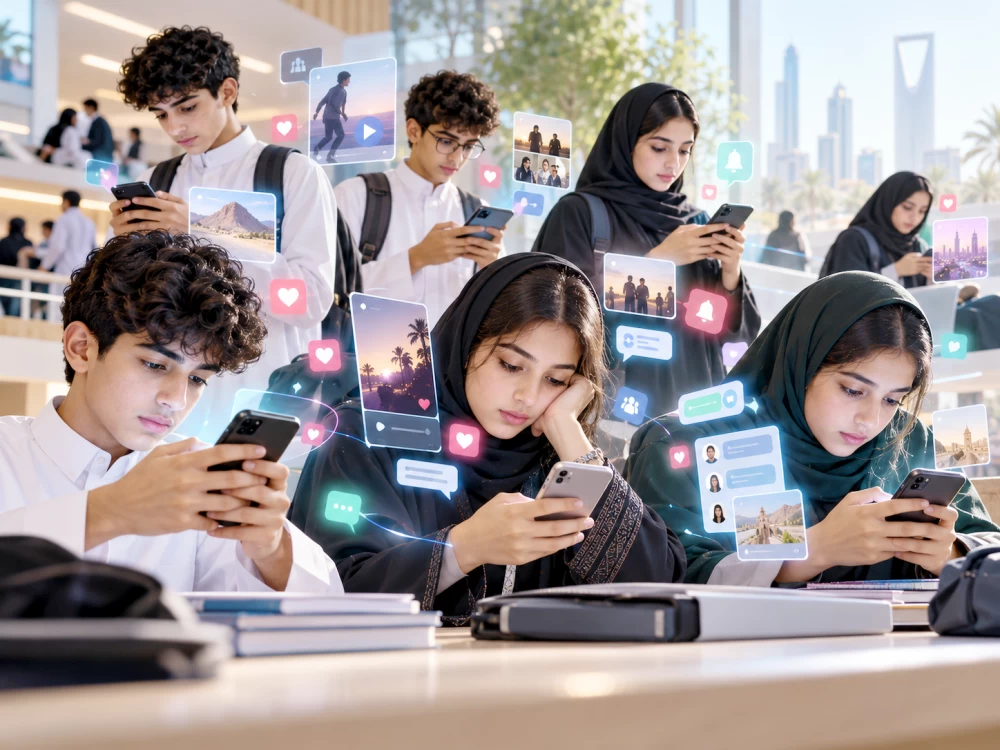
كشفت دراسة حديثة، أن 34.8% من عينة المراهقين سجلوا استخداماً مفرطاً لوسائل التواصل الاجتماعي، فيما ارتبط قضاء 6 ساعات فأكثر يومياً على المنصات بارتفاع احتمالات الوصول إلى هذا النمط بأكثر من الضعف، وسط مؤشرات أعلى للاكتئاب والقلق والضغط النفسي لدى الأكثر تأثراً، وشملت الدراسة، التي نشرتها مجلة «فرونتيرز في الصحة العامة»، 330 طالباً وطالبة تتراوح أعمارهم بين 13 و18 عاماً، في مدارس متوسطة وثانوية، وبلغت نسبة الاستجابة 85.7%، وأظهرت النتائج، أن المراهقين يقضون في المتوسط 5.8 ساعة يومياً على وسائل التواصل الاجتماعي، ويستخدمون نحو 4.2 منصة. وتصدر «سناب شات» قائمة المنصات الأكثر استخداماً بنسبة 92.4%، يليه «إنستغرام» بنسبة 87.6%، ثم «تيك توك» بنسبة 79.1%، ومنصة «إكس» بنسبة 65.5%.
الإناث الأكثر استخداماً بإفراط
وسجلت الإناث نسبة استخدام مفرط بلغت 41.9%، مقابل 28.2% لدى الذكور. وظلت احتمالات هذا النمط أعلى بنحو 1.94 مرة، حتى بعد احتساب عوامل أخرى، شملت العمر وتعليم الوالدين ودخل الأسرة.
وأوضحت الدراسة، أن مدة الاستخدام وتعدد المنصات يرتبطان بارتفاع احتمالات الاستخدام غير المنضبط؛ إذ ارتبط قضاء 6 ساعات فأكثر يومياً بارتفاع الاحتمالات إلى 2.38 مرة، فيما ارتبط استخدام خمس منصات أو أكثر بارتفاعها إلى 1.76 مرة، وارتبط انخفاض قدرة المراهقين على البحث عن المعلومات الرقمية وفهمها وتقييم موثوقيتها بارتفاع احتمالات الاستخدام المفرط وغير المنضبط إلى 2.79 مرة.
فوارق في المؤشرات النفسية
وأظهرت النتائج تفاوتاً ملحوظاً في المؤشرات النفسية بين المراهقين الأكثر تأثراً بالاستخدام المفرط؛ إذ بلغت نسبة ظهور أعراض اكتئاب متوسطة إلى شديدة 47.8% لدى الفئة الأولى، مقابل 18.1% لدى الآخرين.
وفي ما يتعلق بالقلق، سجلت الفئة الأكثر تأثراً نسبة بلغت 42.6%، مقارنة بـ16.3% لدى بقية المشاركين، فيما بلغت نسبة أعراض الضغط النفسي 45.2%، مقابل 19.5%، وبعد احتساب العوامل الاجتماعية والديموغرافية، ارتبط الاستخدام المفرط وغير المنضبط بارتفاع احتمالات ظهور أعراض الاكتئاب المتوسطة إلى الشديدة إلى 3.18 مرات، والقلق إلى 2.90 مرة، والضغط النفسي إلى 2.64 مرة.
التثقيف الرقمي والفحص المبكر
وخلصت الدراسة إلى أن التعامل مع الاستخدام المفرط لوسائل التواصل الاجتماعي، لا يقتصر على تقليل عدد الساعات التي يقضيها المراهقون أمام الشاشات، بل يشمل أيضاً تعزيز قدرتهم على إدارة سلوكهم الرقمي، وفهم المحتوى وتقييم موثوقيته، خصوصاً مع تعدد المنصات وطول مدة الاستخدام.
وأوصى الباحثون بتعزيز التثقيف الرقمي داخل المدارس، والفحص المبكر لمؤشرات الصحة النفسية، وتوعية الأسر بالعادات الرقمية، وتصميم برامج تراعي الفروق بين الذكور والإناث، إلى جانب إشراك المدارس والأسر والجهات الصحية وشركات التقنية في بناء أنماط استخدام أكثر توازناً ومؤشرات الصحة النفسية، لكنها لا تثبت أن وسائل التواصل الاجتماعي تسبب الاكتئاب أو القلق بصورة مباشرة.
A recent study revealed that 34.8% of a sample of teenagers reported excessive use of social media, with spending 6 hours or more daily on platforms being associated with more than double the likelihood of reaching this pattern, amid higher indicators of depression, anxiety, and psychological stress among those most affected. The study, published in the journal “Frontiers in Public Health,” included 330 students aged between 13 and 18 years in middle and high schools, with a response rate of 85.7%. The results showed that teenagers spend an average of 5.8 hours daily on social media, using about 4.2 platforms. “Snapchat” topped the list of most used platforms at 92.4%, followed by “Instagram” at 87.6%, then “TikTok” at 79.1%, and the “X” platform at 65.5%.
Females More Likely to Use Excessively
Females recorded an excessive usage rate of 41.9%, compared to 28.2% among males. The likelihood of this pattern remained about 1.94 times higher, even after accounting for other factors, including age, parental education, and family income.
The study clarified that the duration of use and the number of platforms are linked to increased chances of uncontrolled use; spending 6 hours or more daily was associated with a 2.38 times increase in likelihood, while using five or more platforms was linked to a 1.76 times increase. Additionally, a decreased ability of teenagers to search for, understand, and evaluate the reliability of digital information was associated with a 2.79 times increase in the likelihood of excessive and uncontrolled use.
Differences in Psychological Indicators
The results showed a significant variation in psychological indicators among teenagers most affected by excessive use; the rate of moderate to severe depression symptoms was 47.8% in the first group, compared to 18.1% in others.
Regarding anxiety, the most affected group recorded a rate of 42.6%, compared to 16.3% among the rest of the participants, while the rate of psychological stress symptoms was 45.2%, compared to 19.5%. After accounting for social and demographic factors, excessive and uncontrolled use was linked to a 3.18 times increase in the likelihood of moderate to severe depression symptoms, a 2.90 times increase in anxiety, and a 2.64 times increase in psychological stress.
Digital Literacy and Early Screening
The study concluded that addressing excessive use of social media is not limited to reducing the number of hours teenagers spend in front of screens, but also includes enhancing their ability to manage their digital behavior, understand content, and evaluate its reliability, especially with the variety of platforms and the length of use.
The researchers recommended promoting digital literacy within schools, early screening for mental health indicators, raising family awareness about digital habits, and designing programs that consider the differences between males and females, alongside involving schools, families, health authorities, and tech companies in building more balanced usage patterns and mental health indicators, though it does not prove that social media directly causes depression or anxiety.
للمزيد من المقالات
اضغط هنا
التعليقات