
السديري: 90 يوماً لإصلاحات السوق المالية.. و30% حصة اكتتاب الأفراد – أخبار السعودية
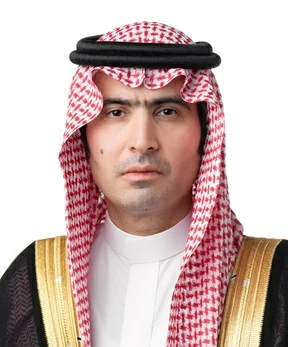
كشف رئيس مجلس هيئة السوق المالية مازن السديري، أن الهيئة أعدت خطة عمل تنفيذية لإطلاق إصلاحات في السوق المالية خلال فترة لا تتجاوز 90 يوماً، في ظل رصد عدد من التحديات، أبرزها ارتفاع عدد الأسهم المتراجعة، وجودة بعض الطروحات الأولية، وتراجع مشاركة المستثمرين الأفراد.
وأكد السديري خلال حديثه لـ”العربية”، أن الهيئة تستهدف تعزيز عدالة السوق وكفاءتها ورفع مستويات الثقة، وصولاً إلى سوق تعكس قوة الاقتصاد السعودي بصورة عادلة، وتكون أكثر جذباً للاستثمارات الأجنبية، إلى جانب تعزيز مشاركة المواطنين.
وفي ملف الطروحات، أوضح أن ارتفاع عدد مرات التغطية لا يعد بمفرده معياراً لنجاح الطرح، مشيراً إلى أن أداء السهم بعد الإدراج يمثل مؤشراً مهماً لقياس نجاح أي طرح.
وكشف أن الهيئة تعمل على إعادة تحديد المسؤوليات بين مختلف الأطراف المشاركة في عمليات الطرح والإدراج، بما يشمل الجهات الاستشارية ومديري الاكتتاب والشركات المصدرة، لافتاً إلى أن الهيئة حققت في عدد من الطروحات السابقة.
وأكد أن الهيئة تسعى لأن تكون مصدراً للثقة وليس للتخويف، وأن دورها يتمثل في التنظيم وتحقيق التوازن بين مختلف الأطراف، مع إمكانية تشديد أو تخفيف بعض المتطلبات وفق طبيعة كل طرح.
وفي شأن تخصيص الأفراد في الاكتتابات، أكد السديري أن نسبة الـ10% ليست ثابتة، وأن الهيئة ترى أن حصة الأفراد في الطروحات يجب أن ترتفع في الأساس إلى 30%، مع إمكانية اختلاف النسبة في الاكتتابات الكبيرة.
وحول البيع على المكشوف، أشار إلى أن الأداة مفيدة للسوق بشرط عدم استخدامها بصورة سلبية، مبيناً أن هناك مؤشرات إلى احتمال وجود أثر سلبي لبعض ممارسات البيع على المكشوف حالياً، وأن الهيئة تعمل على ضوابط جديدة تتعلق به، بعد البدء في تنظيم جانب إقراض الأسهم.
وفي ما يتعلق بتداولات الخوارزميات، أكد السديري أن جزءاً كبيراً منها في السوق السعودية يعود إلى مؤسسات مالية أجنبية، وأن الهيئة تراقب تلك التداولات للتأكد من توافقها مع الأنظمة والتعليمات وتحقيق العدالة بين المستثمرين، مؤكداً أن الهيئة ليست ضد التقنية ولا تستخدمها بشكل أعمى، وإنما تراعي تغير الممارسات العالمية.
وكشف أن الهيئة تناقش مع الجهات الحكومية والمنظمين القطاعيين ملف نسب ملكية المستثمرين الأجانب، ضمن توجه يستهدف زيادة جاذبية السوق مع المحافظة على استقرارها.
وفي جانب الحوكمة، أوضح أن الهيئة ألزمت الشركات المدرجة بعقد لقائين سنويين لمناقشة النتائج المالية مع المستثمرين، بهدف تعزيز الشفافية والتواصل وتمكين المساهمين، مؤكداً أن وضع معايير لمكافآت أعضاء مجالس الإدارات لا يدخل ضمن اختصاص الهيئة.
وعن توجه المستثمرين المحليين إلى الأسواق العالمية، أكد السديري أن الهيئة لا تتبنى مفهوم الوصاية على المستثمر، وأن الشروط الموضوعة للتداول في الخارج مماثلة لتلك المطبقة على التداول المحلي، مشدداً على أن الحفاظ على السيولة لا يكون بفرض القيود، وإنما بتعزيز تنافسية السوق والثقة بها.
وأكد أن مستهدفات الهيئة تتركز على توسيع قاعدة المشاركين من الأفراد والمؤسسات والمستثمرين الأجانب، لتصبح سوق الأسهم واجهة حقيقية للاقتصاد السعودي ومكاناً للادخار للمواطن، إلى جانب دورها الاستثماري والتنموي.
The Chairman of the Capital Market Authority, Mazen Al-Sudairi, revealed that the authority has prepared an executive action plan to launch reforms in the financial market within a period not exceeding 90 days, in light of several challenges, the most prominent of which are the rising number of declining stocks, the quality of some initial public offerings, and the decrease in participation from individual investors.
Al-Sudairi confirmed during his talk with “Al Arabiya” that the authority aims to enhance market fairness and efficiency and raise levels of confidence, leading to a market that fairly reflects the strength of the Saudi economy and is more attractive to foreign investments, in addition to enhancing citizen participation.
Regarding the issue of offerings, he clarified that the high number of times a subscription is covered is not, by itself, a measure of the success of the offering, pointing out that the stock’s performance after listing is an important indicator for measuring the success of any offering.
He revealed that the authority is working on redefining the responsibilities among the various parties involved in the offering and listing processes, including advisory firms, underwriting managers, and issuing companies, noting that the authority has investigated several previous offerings.
He emphasized that the authority seeks to be a source of trust, not fear, and that its role is to regulate and achieve balance among the various parties, with the possibility of tightening or easing certain requirements according to the nature of each offering.
Regarding the allocation of individuals in subscriptions, Al-Sudairi confirmed that the 10% allocation is not fixed, and that the authority believes that the share of individuals in offerings should primarily rise to 30%, with the possibility of varying the percentage in large subscriptions.
On the subject of short selling, he pointed out that the tool is beneficial for the market, provided it is not used negatively, indicating that there are signs of a potential negative impact from some current short selling practices, and that the authority is working on new regulations related to it, after starting to organize the lending of stocks.
Regarding algorithmic trading, Al-Sudairi confirmed that a large part of it in the Saudi market comes from foreign financial institutions, and that the authority monitors these trades to ensure their compliance with regulations and instructions and to achieve fairness among investors, stressing that the authority is not against technology nor does it use it blindly, but rather takes into account changes in global practices.
He revealed that the authority is discussing with government entities and sector regulators the issue of foreign investors’ ownership ratios, as part of an approach aimed at increasing the market’s attractiveness while maintaining its stability.
In terms of governance, he explained that the authority has obligated listed companies to hold two annual meetings to discuss financial results with investors, aiming to enhance transparency and communication and empower shareholders, confirming that setting standards for the compensation of board members does not fall within the authority’s jurisdiction.
Regarding the trend of local investors towards global markets, Al-Sudairi confirmed that the authority does not adopt the concept of guardianship over investors, and that the conditions set for trading abroad are similar to those applied to local trading, stressing that maintaining liquidity is not achieved by imposing restrictions, but by enhancing the competitiveness of the market and confidence in it.
He affirmed that the authority’s targets focus on expanding the base of participants from individuals, institutions, and foreign investors, to make the stock market a true reflection of the Saudi economy and a place for citizens to save, in addition to its investment and developmental role.
للمزيد من المقالات
اضغط هنا
التعليقات