
«إنترنت النخبة».. كيف بدأت إيران بتقسيم «الشبكة العالمية» إلى فئات؟ – أخبار السعودية
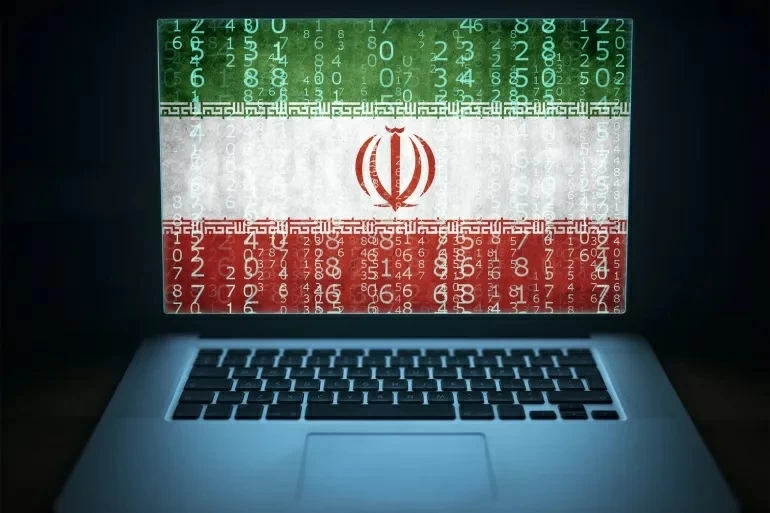
لم يعد انقطاع الإنترنت هو الأزمة الأكبر في إيران، بل الطريقة التي تُدار بها «عملية إعادته». فبدلاً من استعادة الشبكة كخدمة مفتوحة للجميع، بدأت السلطات برسم خارطة رقمية جديدة أكثر تعقيداً: اتصال عالمي يعمل، لكنه لا يصل إلى الجميع، بل إلى من «تسمح» له القوائم الرسمية فقط. نحن لا نتحدث هنا عن تقييد مؤقت، بل عن تحول جذري نحو ما يمكن تسميته بـ «الإنترنت الطبقي»، حيث يتحول الوصول إلى المعرفة من «حق عام» إلى «امتياز» يُمنح وفق الولاء أو المهنة.
بدأت القصة من أسوار الجامعات؛ حيث كشف معاون وزير العلوم مهدي أبطحي أن الإنترنت الدولي فُتح حصرياً لأساتذة الجامعات عبر «قوائم رسمية». هذه الخطوة لم تكن مجرد إجراء تقني، بل كانت إعلاناً عن مسار تدريجي يخطط لإدراج الباحثين ومراكز التفكير ضمن فئات «المسموح لهم بالاتصال»، بعد أسابيع من العزلة الرقمية التي كبدت الاقتصاد خسائر فلكية.
الصراع بين «الخطاب الرسمي» و«الواقع الرقمي»
بينما يخرج وزير الاتصالات ستار هاشمي والنائب الأول للرئيس محمد رضا عارف لنفي وجود «إنترنت طبقي»، مؤكدين أنه حق لكل المواطنين، يتشكل على الأرض واقع مختلف تماماً. آلية «القوائم» التي بدأت مع الأكاديميين تُقرأ كإشارة إلى نظام يتوسع بصمت؛ حيث تتحول الشبكة العالمية إلى مساحة مخصصة للنخبة، بينما يُحرم الباقون من أبسط أدوات العصر.
وخلف الستار: من «الإنترنت الأبيض» إلى «إنترنت برو»
النموذج الإيراني الجديد ليس وليد الصدفة، بل هو تطور لـ «الإنترنت الأبيض» الذي كان يُطبق سابقاً بشكل غير رسمي. والآن، برز نموذج أكثر تجارية يُعرف بـ «إنترنت برو»؛ خدمة موجهة لفئات مهنية محددة توفر اتصالاً مستقراً، لكنها مشروطة بتحديد الهوية عبر جهات رسمية، مما يضمن للسلطات السيطرة الكاملة على من يحق له عبور الحدود الرقمية.
وخلف هذه الهندسة الرقمية، تقبع أرقام مفزعة. بحسب عباس آشتياني رئيس لجنة الاقتصاد الرقمي، فقد كلف انقطاع الإنترنت الاقتصاد ما يقارب مليار دولار، بخسائر يومية تصل إلى 35 مليون دولار. ومع ذلك، يبدو أن السلطات تضع «السيطرة» في كفة، و«الخسائر الاقتصادية» في كفة أخرى، مرجحةً الأولى على الدوام.
واليوم، يعلق الحقوقي كامبيز نوروزي على هذا المشهد قائلاً إن تقسيم الإنترنت يحمل تناقضاً قاتلاً، فلا يمكن لاقتصاد رقمي أن ينمو إذا كان الجمهور معزولاً. ومع توسع هذه الخطة لتشمل العاملين المستقلين عبر كيانات مهنية، لم يعد السؤال في إيران: «متى يعود الإنترنت؟»، بل أصبح السؤال الأكثر إيلاماً: «من يُسمح له بأن يعيش في العالم الرقمي أولاً؟».
The internet outage is no longer the biggest crisis in Iran; rather, it is the way the “restoration process” is managed. Instead of restoring the network as an open service for everyone, the authorities have begun to draw a more complex digital map: a global connection that works, but does not reach everyone, only those whom the official lists “allow.” We are not talking here about a temporary restriction, but rather a radical shift towards what can be called “class-based internet,” where access to knowledge transforms from a “public right” to a “privilege” granted based on loyalty or profession.
The story began from the walls of universities; where the Deputy Minister of Science, Mahdi Abtahi, revealed that international internet access was exclusively opened for university professors through “official lists.” This step was not merely a technical measure, but an announcement of a gradual path planned to include researchers and think tanks within the categories of “those allowed to connect,” after weeks of digital isolation that cost the economy astronomical losses.
The conflict between “official discourse” and “digital reality”
While the Minister of Communications, Star Hashemi, and the First Vice President, Mohammad Reza Aref, deny the existence of a “class-based internet,” asserting that it is a right for all citizens, a completely different reality is forming on the ground. The mechanism of “lists” that began with academics is read as a signal of a system quietly expanding; where the global network is turning into a space reserved for the elite, while the rest are deprived of the simplest tools of the era.
And behind the curtain: from “white internet” to “Pro internet”
The new Iranian model is not coincidental, but rather an evolution of the “white internet” that was previously applied unofficially. Now, a more commercial model has emerged known as “Pro internet”; a service aimed at specific professional categories that provides stable connectivity, but is conditional on identity verification through official entities, ensuring that the authorities maintain complete control over who is allowed to cross digital borders.
Behind this digital engineering lie alarming figures. According to Abbas Ashtiani, head of the Digital Economy Committee, the internet outage has cost the economy nearly one billion dollars, with daily losses reaching 35 million dollars. Nevertheless, it seems that the authorities weigh “control” on one side and “economic losses” on the other, consistently favoring the former.
Today, human rights activist Kambez Norouzi comments on this scene, stating that the division of the internet carries a fatal contradiction; a digital economy cannot grow if the public is isolated. As this plan expands to include freelancers through professional entities, the question in Iran is no longer: “When will the internet return?” but rather the more painful question: “Who is allowed to live in the digital world first?”
للمزيد من المقالات
اضغط هنا