
مفاجأة في القرن الإفريقي.. الصومال يعرض على إثيوبيا منفذًا إلى البحر – أخبار السعودية
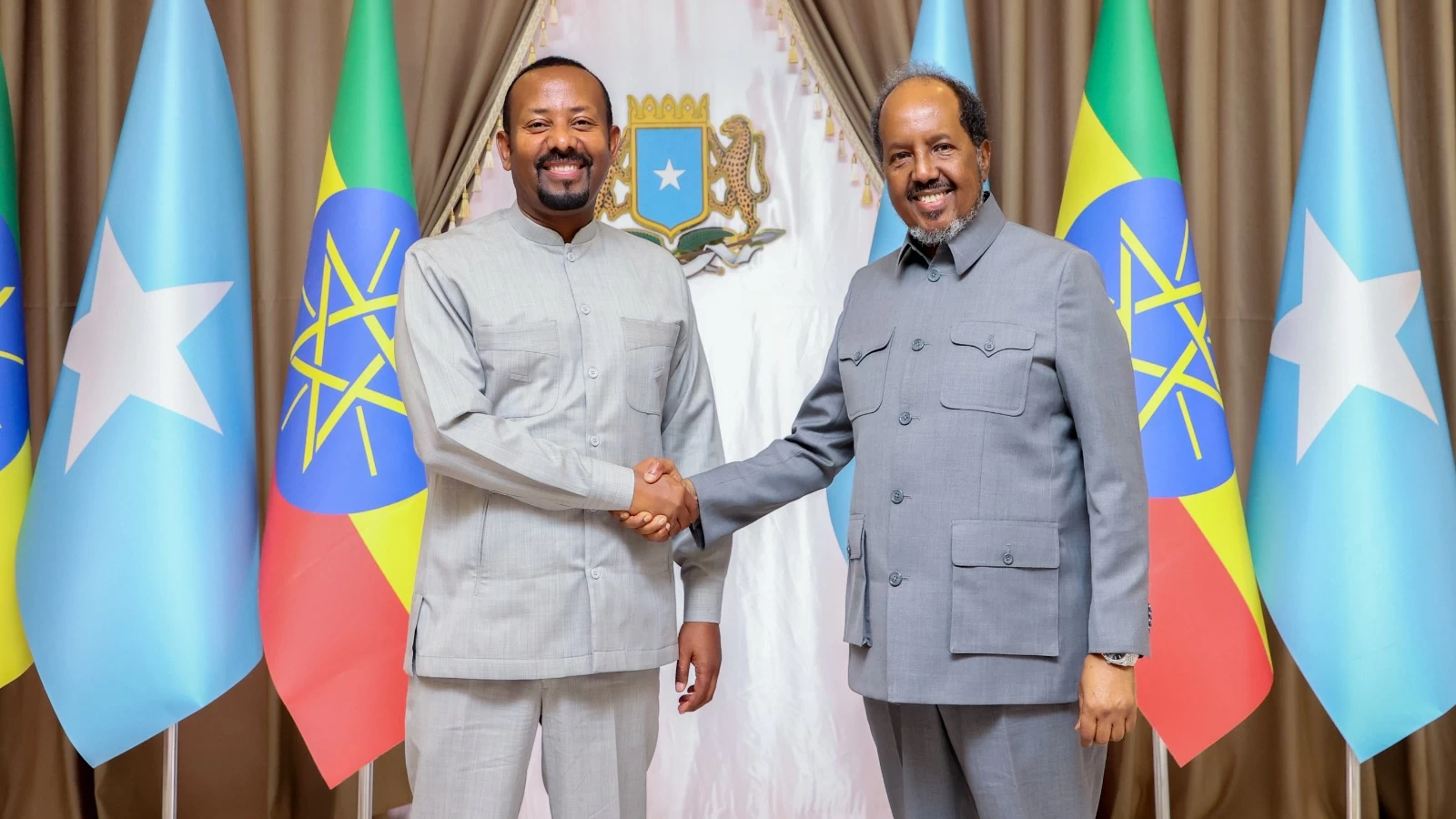
فتح الرئيس الصومالي حسن شيخ محمود الباب أمام حصول إثيوبيا على منفذ تجاري إلى البحر عبر الأراضي الصومالية، مؤكدًا أن مقديشو لا تعترض على وصول جارتها الحبيسة إلى البحر، في تحول لافت في العلاقات بين البلدين بعد سنوات من التوتر بسبب ملف «أرض الصومال».
وقال شيخ محمود، في تصريحات نقلتها وسائل إعلام صومالية، إن العلاقات بين الصومال وإثيوبيا «جيدة»، مشيرًا إلى أنه عمل منذ عودته إلى منصبه على تعزيزها، ومؤكدًا أن بلاده لا تمانع في وصول إثيوبيا إلى البحر عبر أراضيها بموجب ترتيبات مشتركة.
وأوضح الرئيس الصومالي أن بلاده مستعدة للسماح لإثيوبيا باستخدام ميناءين أو ثلاثة موانئ صومالية لاستيراد وتصدير السلع، مع إمكانية إبرام اتفاقات اقتصادية تحدد الرسوم والتعريفات المنظمة لهذا الاستخدام. وأضاف أن إثيوبيا أبلغت مقديشو بحاجتها إلى منفذ بحري، لكنها لم تقدم حتى الآن طلبًا رسميًا بهذا الشأن.
ويأتي هذا الموقف في وقت تبحث فيه إثيوبيا، الدولة الحبيسة منذ استقلال إريتريا عام 1993، عن بدائل لمنافذها البحرية، إذ تعتمد بصورة كبيرة على الموانئ الجيبوتية في تجارتها الخارجية. ويعد الحصول على وصول مستقر ومستدام إلى البحر أحد الملفات الإستراتيجية الرئيسية في السياسة الخارجية الإثيوبية.
وكان ملف الوصول الإثيوبي إلى البحر قد تسبب في واحدة من أخطر أزمات القرن الإفريقي مطلع عام 2024، عندما وقعت أديس أبابا مذكرة تفاهم مع «أرض الصومال» بشأن الحصول على منفذ بحري، وهي الخطوة التي رفضتها مقديشو واعتبرتها مساسًا بسيادتها ووحدة أراضيها.
وفي المقابل، يشير الرئيس الصومالي الآن إلى إمكانية معالجة حاجات إثيوبيا البحرية من خلال اتفاقات تجارية بين دولتين ذات سيادة، مؤكدًا أن وصول الدول الحبيسة إلى البحر يمكن تنظيمه عبر القواعد والاتفاقيات الدولية، وفي مقدمتها اتفاقية الأمم المتحدة لقانون البحار.
ويختلف هذا الطرح بصورة واضحة عن التفاهم الذي أبرمته إثيوبيا مع «أرض الصومال» في يناير 2024، والذي أثار أزمة دبلوماسية حادة مع الحكومة الفيدرالية في مقديشو، وبعد أشهر من التوتر، توصلت الصومال وإثيوبيا في ديسمبر 2024 إلى «إعلان أنقرة»، الذي أكد العمل على ترتيبات تجارية تتيح لإثيوبيا وصولًا آمنًا ومستدامًا إلى البحر، مع احترام سيادة الصومال وسلامة أراضيه.
ويحمل التحول في الموقف الصومالي أهمية تتجاوز العلاقات الثنائية، إذ يأتي في منطقة تتقاطع فيها ملفات البحر الأحمر وخليج عدن ومضيق باب المندب مع تنافس إقليمي ودولي متزايد على الموانئ والممرات البحرية.
كما تزامن تصريح شيخ محمود مع تأكيده أن البحر الأحمر يمثل أهمية إستراتيجية واقتصادية وأمنية للصومال، داعيًا الدول المعنية بأمن الممر البحري إلى الحوار والتفاهم بدلًا من اللجوء إلى القوة.
وتكتسب تصريحات الرئيس الصومالي أهمية إضافية في ظل التحركات الإقليمية الأخيرة؛ فقد استقبل الرئيس المصري عبد الفتاح السيسي شيخ محمود في مدينة العلمين، وأكد خلال اللقاء دعم مصر لسيادة الصومال ووحدته وسلامة أراضيه، في وقت تشهد فيه منطقة القرن الإفريقي إعادة ترتيب للتحالفات والحسابات المرتبطة بالأمن البحري.
The Somali President Hassan Sheikh Mohamud has opened the door for Ethiopia to gain a commercial outlet to the sea through Somali territory, confirming that Mogadishu does not oppose its landlocked neighbor’s access to the sea, in a notable shift in relations between the two countries after years of tension over the “Somaliland” issue.
Sheikh Mohamud stated in remarks reported by Somali media that relations between Somalia and Ethiopia are “good,” noting that he has worked to strengthen them since returning to his position, and emphasizing that his country does not mind Ethiopia accessing the sea through its territory under joint arrangements.
The Somali president clarified that his country is prepared to allow Ethiopia to use two or three Somali ports for importing and exporting goods, with the possibility of concluding economic agreements that define the fees and tariffs governing this use. He added that Ethiopia has informed Mogadishu of its need for a maritime outlet, but has not yet submitted an official request in this regard.
This position comes at a time when Ethiopia, a landlocked country since Eritrea’s independence in 1993, is seeking alternatives for its maritime outlets, as it heavily relies on Djiboutian ports for its foreign trade. Gaining stable and sustainable access to the sea is one of the main strategic issues in Ethiopian foreign policy.
The issue of Ethiopian access to the sea had caused one of the most serious crises in the Horn of Africa in early 2024, when Addis Ababa signed a memorandum of understanding with “Somaliland” regarding obtaining a maritime outlet, a step that Mogadishu rejected and considered an infringement on its sovereignty and territorial integrity.
In contrast, the Somali president now points to the possibility of addressing Ethiopia’s maritime needs through trade agreements between two sovereign states, affirming that access for landlocked countries to the sea can be organized through international rules and agreements, foremost among them the United Nations Convention on the Law of the Sea.
This proposal clearly differs from the understanding that Ethiopia reached with “Somaliland” in January 2024, which sparked a sharp diplomatic crisis with the federal government in Mogadishu. After months of tension, Somalia and Ethiopia reached the “Ankara Declaration” in December 2024, which confirmed the work on trade arrangements that would allow Ethiopia secure and sustainable access to the sea, while respecting Somalia’s sovereignty and territorial integrity.
The shift in Somalia’s position carries significance that goes beyond bilateral relations, as it comes in a region where the issues of the Red Sea, Gulf of Aden, and Bab el-Mandeb Strait intersect with increasing regional and international competition for ports and maritime corridors.
Sheikh Mohamud’s statement also coincided with his assertion that the Red Sea represents strategic, economic, and security importance for Somalia, calling on the countries concerned with the security of the maritime corridor to engage in dialogue and understanding instead of resorting to force.
The Somali president’s statements gain additional importance in light of recent regional movements; Egyptian President Abdel Fattah el-Sisi received Sheikh Mohamud in El Alamein, and during the meeting, he affirmed Egypt’s support for Somalia’s sovereignty, unity, and territorial integrity, at a time when the Horn of Africa is witnessing a reordering of alliances and calculations related to maritime security.
للمزيد من المقالات
اضغط هنا
التعليقات