
شربل داغر: الحكمُ بتقدم الرواية على الشِّعر.. سقيم – أخبار السعودية
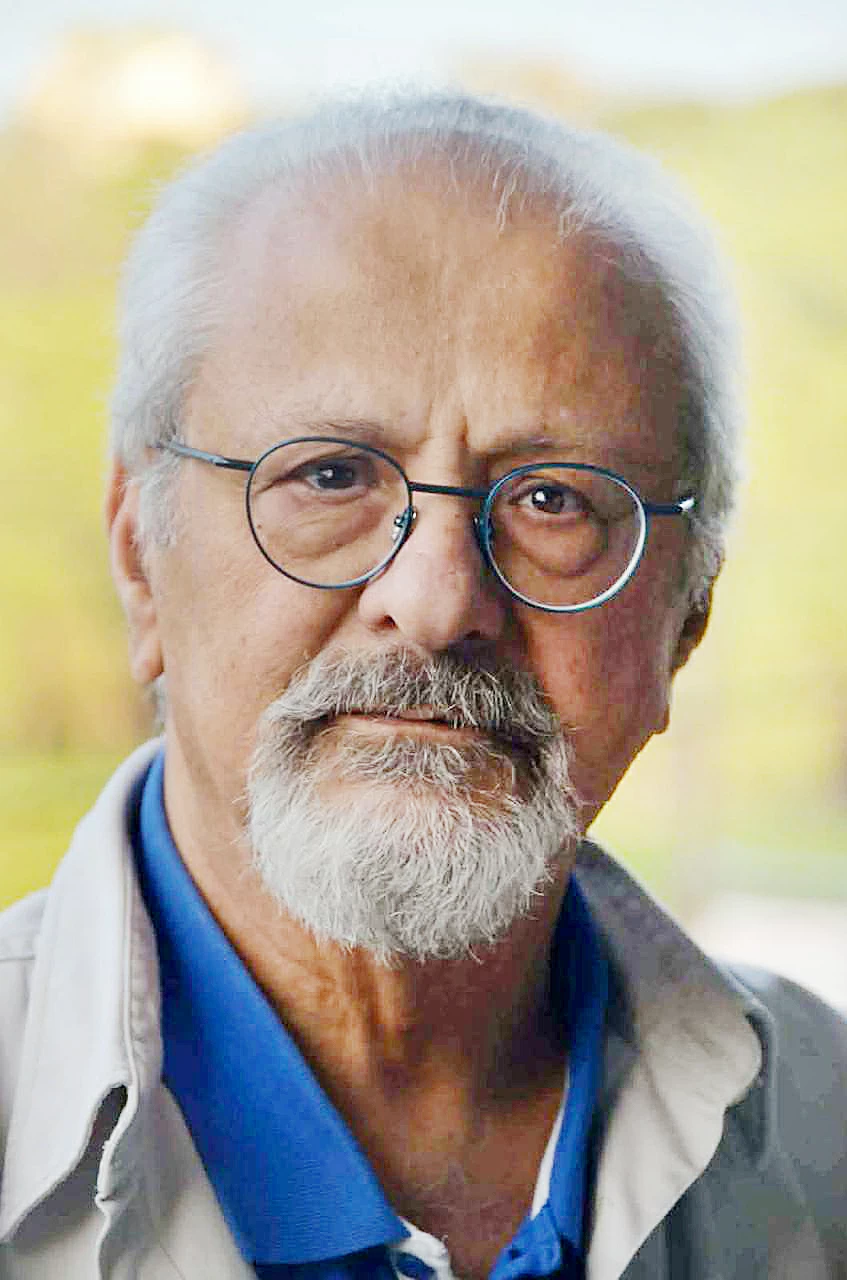
يُعدُّ الشاعر الناقد الدكتور شربل داغر صاحب عطاء وافر على مستوى إبداعي وقرائي، وله بصمة مُشرّفة في ذاكرة الثقافة والفنون، وما بين اهتماماته الأكاديمية والفنية يتيح لنا فرصة مقاسمته مساحة من يومياته؛ لننطلق نحو فضاء مُشبع بالرؤى والتطلعات، وما أشفّ وأعذب الحوار مع عقليّة استيعابية، ولغةٍ مهذّبة، وروح ثريّة بالود والمحبة، فإلى نصّ الحوار..
• هذا الكيان الذي بُنِيَ عبر عقود، ما دور العائلة في تكوينه؟ ومن أخذ بيد شربل داغر ليصبح ما هو عليه اليوم؟
•• أقول، بدايةً، إن بوابة المدرسة كانت بعيدة عني، وعن حساباتي الطفولية، مع أنها كانت تبعد أقل من 200 متر عن البيت العائلي في بيروت. وأذكرُ أنني عدتُ إلى البيت قبل أمي في يوم مدرستي الأول، إذ هربتُ من المدرسة، واتخذتُ طريقاً موازية للشارع الذي كنا نسكن فيه.. إلا أن محاولة هربي في اليوم الثاني فشلتْ، وتمنعي عن التقيّد بتعليمات المدرسة باء بالفشل بدوره.. والدي مثل أمي كانا متشددين في إدخالي إلى المدرسة، بعد أختي التي تكبرني بسنة واحدة. أختي هي التي أمسكتْ بيدي، لا سيما في السنة الثانية من دراستنا، إذ تمَّ نقلنا إلى مدرسة أبعد من الأولى، وذات مستوى دراسي أفضل، حسبما قيل لنا. تكفلتْ أختي بتوجيه خطواتي الأولى في بيروت المتسعة أبعد من شارع الطفولة، مثلما رعت دروسي الأولى بالمتابعة والعناية. هذا ما فعله أحد إخوتي، المراهق، عندما تكفل بالذهاب ليلاً إلى أحد المحلات لشراء ممحاة خاصة بالحبر إذ أخطأتُ في جانب من عملية حسابية في أحد الفروض المدرسية..
هذا ما تنبهتُ إليه بعد وقت، إذ تحققتُ من أن عيوناً أخرى، غير عيون الوالدَين، كانت ترعى وتسهر على مثابرتي المدرسية. هذا، قبل أن أتحقق بعد سنوات وسنوات من أن الانتظام في المدرسة كان أقرب إلى وصية مسبقة من الأهل، وأنه الأفق الممكن للتقدم في العيش. هذا ما عشتُه في القرية مع أحد الرهبان، إذ تنبه، في كلامي معه، إلى أنني لا أحسن نطق الضاد، إذ كنتُ أتلفظها قريبة من حرف الدال، فكان أن أصلح نطقي.. هذا ما أتذكرُه، في نزولي صباح أكثر من أحد، إلى وسط بيروت البعيد عن بيت أهلي، لشراء كتب أدبية مستعملة كان بائعوها يرصفونها فوق رصيف سينما «روكسي»، لبيعها بأسعار زهيدة، فيما كنت لم أبلغ حينها الثانية عشرة من عمري.
كنتُ، في ما انتهيتُ إليه، قبل دراستي الثانوية ثم الجامعية، أندفع في مسار يتخطى خطواتي ليشملها مع غيري، بين نهاية الخمسينيات ثم الستينيات من القرن السابق، في مسارٍ مشرق وهانئ في الحياة اللبنانية.
العربية كانت نجمتي في هذا الطريق الممتد، من دون وجهة بعينها في فروعها. وهو ما انتهى إلى استكمال دراستي فيها، في الإجازة الجامعية في بيروت، ثم في شهادة الدكتوراه في باريس.
• ماذا عن ذكريات البئر الأولى، والعيش في قرية منضبطة الإيقاع، ومدينة يتداخل فيها الليل والنهار؟
•• الذكريات عدة، واستعدتُ بعضها في كتابين عن سيرتي الذاتية، ما لا حاجة إلى استعادتها في هذا الحوار. ما يمكنني قوله هو أنني عايشت في تلك السنوات البعيدة نمطين متباعدين، من دون أن يكونا منفصلين، في العيش والتطلع: الصعود إلى القرية، وتمضية العطلة الصيفية فيها، وتمضية باقي السنة في بيروت. إلا أن الصعود إلى القرية كان يعني، واقعاً، أكثر من عطلة، وأكثر من ثلاثة شهور، إذ كان يضعني في ما كان أقرب إلى فضاء مفتوح على اللعب، وعلى مكاشفة الحياة نفسها في أسرارها ومواعيدها البهيجة. كما كان يضعني في عائلتي المتسعة، إذ كانت تنتسب إلى القرية عينها من جهة الوالدَين؛ حضنٌ عاطفي، وتقليدي، في الوقت عينه. في تلك القرية الجبلية العالية، لم يكن لي غير الجبال المحيطة أفقاً لنظري، بخلاف العديد من القرى اللبنانية التي تُشرف من عليائها وشُرفاتها على بحر المتوسط. هذا ما عنى اكتفاء بالمهد الطفولي، وانشداداً غامضاً إلى الخفي والممكن.
أما الإقامة في بيروت، فكانت مختلفة للغاية، إذ عنت التوطن في شارع متعدد الأنساب إذ تتحدر من مذاهب ومناطق مختلفة ومتباعدة عن بعضها، وهو ما جذبني إليه، بحيث كتبت في كتاب سيرتي الذاتية الأولى: «الخروج من العائلة». كما كنت أتحقق حينها من اتساع بيروت وغموضها وآفاقها ما كان أبعد من حدود قريتي. لم تكن المدرسة بيتي الثاني وحسب، بل كنت أعتاد على الإقامة الشغوفة في بيوت أخرى، هي: شاشة التلفزيون، وشاشات السينما البراقة، منذ نهاية الخمسينيات، بل وجدت في عدد من كتب الشعر والرواية ما كان أقرب إلى السفر، وإلى السكنى في عالم الخيال والتخييل. هذا العيش المزدوج بين قريتي وطى حوب وبين بيروت، مدينتي، كان لكل واحد منهما التذاذاته الخاصة، وتعاكساته أيضاً، وهو ما عايشته بقوة أكبر عندما انتقلتُ للدرس والعيش في باريس (1976)، مدينة ولادتي الثانية، إذ تحققت فيها من أن المدينة، أو احتمال العيش فيها، ممكن بطريقة مختلفة.
• ما نواة الوعي التي أخذت بأجنحة الروح إلى القراءة والتعلق بالأدب والثقافة؟
•• هذا ما ورثتُه بصورة ضمنية من أهلي، ومحيط البلدة في تنورين من دون شك: أهلُ بلدتي جعلتهم الظروف، بعد قيام «دولة لبنان الكبير» في عام 1920، يتوجهون بنسب متعاظمة إلى بيروت والمدن القريبة منها طلباً للعمل والتعليم والإقامة. هذا ما قطع دورة سابقة، كانوا يعيشون فيها، ويأملون فيها، منذ قرون وقرون، كما بات لهم أفق آخر في التقدم ومأمول الحياة. لم يكن للتعليم قيمة معتبرة في الدورة السابقة، المتقادمة، إذ كان رب العائلة يفضل أن يعمل أولاده إلى جانبه في الزراعة أو الحِرف. كان قلة منهم يُقبلون على التعليم، ومنهم رجال الدين في مؤسساتهم الخاصة. وممّا زاد في قلة الإقبال على التعلم، هو افتقار هذه المناطق، ولا سيما في المرتفعات الجبلية، إلى مدارس ولو ابتدائية.
أما مع عائلتي من جهة الوالدَين، فقد عرفَ جدي لأبي، وجدي لأمي، نسبة من التعليم، وهو ما انتقل إلى والدِي، وحتى إلى والدتي. وهو ما سعيا إليه في تربيتنا، ولا سيما بعد نزولنا إلى المدن، ثم استقرارنا في بيروت.
• ما سرّ عشقك للغة العربية؟
•• أما لجهة العربية، والتعلق بها، فهو يعود، في جانب منه، إلى إرث سابق يتعدى عائلتي وقريتي، ويتمثّل في التوق إلى العلم الذي لم تُتَحْ ظروفه للعديد من القرى والنواحي في الحقبة العثمانية: كانت العربية، في تلك الحقبة، كما في سابقاتها، هي بوابة العلم والثقافة والترقي. وهذا ما طمح إليه الجيل السابق على جيلي، كما تحققتُ من ذلك في أحد كتبي.
أما لجهة سيرتي الخاصة، فهذا التعلق بالعربية بلغ عندي حدود الاختصاص، وحرَّكَ كذلك المأمولات في تطلعاتي، ولا سيما مع تأكدي مما تتيحه العربية في تاريخها كما في بنيتها الخاصة من اشتقاقات وتراكيب ومأمولات بالتالي. هذا ما تأكدتْ وجهته في سنوات دراسة الدكتوراه الأولى؛ حيث تعمقتْ معرفتي بالعربية في ضوء دراستي للسانيات عموماً، ولا سيما الحديثة منها. ولا أخفي سرّاً إذ أقول إنني كتبت بالفرنسية في تلك السنوات، ونشرتُ كتباً فيها، غير أنني ما لبثتُ أن انقطعتُ عن ذلك، ما خلا دراسات بحثية بالفرنسية في عقود تالية، وفي مؤتمرات وندوات علمية دولية. هذه العلاقة بالعربية بلغت الشغف في عقود تالية، فيما كنتُ أتعلم وأتحقق قبل ذلك من أن الإنسان قد يعرف لغات كثيرة، ويكتب بها، ويتقنها، إلا أنه يبقى -مهما تباعد أو تعدد- منشَدّاً إلى اللغة الأم، إلى «اللغة –الأمة»، كما وجدتُني أكتب عنها في محفوظاتي الخاصة في عام 1982. فكيف إذا وجدتُني أتحقق، في الدرس والفحص لبناها، أنها من اللغات الأقدم في العالم، وأنني أنتسب، بالكتابة فيها، إلى تاريخ ثقافي وأدبي يتعدى خمسة وعشرين قرناً! وكيف إذا كنت أتحقق كذلك من غنى معجمها، وطرقها «العجيبة» في التوليد، حتى إنني كتبتُ عنها أنها لغة احتمالية، مفتوحة على التجدد والإضافة! هذا يعني أن علاقتي بالعربية تعود إليها، إلى حواصلها، وإلى ممكناتها، في آنٍ. دعني أعترف بأنه خيار مصلحي، عقلاني، قبل أي دافع آخر: خيارٌ من يعرف ويتيقن من أن الكتابة بلغة استثمار خاص، ولو بقي وحيداً فيها، ولو لم يكن القراء بحجم من يعرفون هذه اللغة.
خياري الممتد بالعربية لم يكن قراراً خائباً، أو يائساً، أو جالباً لحسرة تالية، هو قراري السيد والمستقل، إذ وجدتني فيها مثلما لا أقوى على التواجد في غيرها، بما فيه في الوجود الخارجي. فكيف إذا وجدتني، لا سيما في كتابة الشعر بها، أعيش في كيانها، وأكون فيها على مقدار واسع من التخيل والاشتهاء.
• هل يدفعنا تراثنا العربي لأن نكون أدباء عوضاً عن أن نكون فلاسفةً أو علماء تجريبيين؟
•• الخيارات مفتوحة ومطروحة، وهي متعددة. هذا ما خبرته بنفسي، إذ وجدتني أكتب في ما يتعدى اختصاصي في العربية، ثم اختصاصي في فلسفة الفن وتاريخه. فمن يعد إلى لوائح كتبي، سيجد أنني كتبت: الشعر، والرواية، والسيرة الذاتية، وأجربتُ أعمالاً بحثية في: العربية، والشعر العربي الحديث، وبدايات الرواية العربية الحديثة، والفن الإسلامي، والفن العربي الحديث، والأدب الشعبي (أو «حكي العوام»، كما أسميه)، وبدايات المسرح الحديث وغيرها، فضلاً عن أن التاريخ كما الفلسفة تحكّمَا بالمنظور العام لهذه البحوث، وتحكمت المناهج الحديثة بطرق التحليل وسبله في هذه المباحث المختلفة؛ لهذا لا أجد الخيار المطروح في سؤالك يخصني أنا بالذات.
• متى نشرت نصّك الأوّل؟ وما ردود الفعل الخاصة والعامة على المنشور؟
•• كان ذلك في نهايات صيف سنة 1971، في نهاية سنتي الجامعية الأولى، بعد أن أرسلتُ بالبريد العادي قصيدة بعنوان: «وأينعتْ أزهارنا على القحط» إلى الشاعر أنسي الحاج، وكان رئيس تحرير «الملحق» الأدبي لجريدة «النهار» اللبنانية. فإذا بي أجد أنه نشرها إلى جانب النصوص الأدبية، وليس في «بريد القراء». ثم دعاني الشاعر أدونيس، في سنة تالية، مع عدد من شعراء- طلاب جامعيين في كليتي، إلى نشر قصيدة في مجلة «مواقف» الفصلية التي كان قد أصدرها، ويشرف على تحريرها. أما عن ردود الفعل فإنني أحيلك إلى ما جرى بين الشاعرين الحاج وأدونيس: قام أدونيس، عند نشر هذه القصائد، بالتعريف بنا، بوصفنا «موجة جديدة» في الشعر العربي الحديث، وأنه يعتز بهذا النشر بالتالي، فكان أن اعترض الحاج على هذا الكلام في ما يخصني ويخص الشاعر الزميل والصديق الراحل محمد عبدالله، إذ أعلن أنه هو الذي نشر لكلينا قبل أدونيس. كان مثل هذا الجدل -المحدود، في نهاية الممطاف- أعلى تقدير لي ولمحمد، ما زاد من خفتنا ولهونا وعبثنا بأي تكريم، نحن مجموعة الشعراء الأصدقاء في تلك السنوات.
• لماذا انتسبت مبكراً للصحافة؟ ولماذا خرجت منها؟
•• أنا لم أنتسب إليها، بل اقترح علي ذلك أحد الصحفيين الأصدقاء في تجربة صحفية أولى، ثم صديق آخر في تجربة ثانية، ولم أحترف العمل الصحفي إلا في باريس عملياً، إذ بقيت علاقتي بالصحافة قبل ذلك مؤقتة، أو ظرفية.
أما عن العمل في الصحافة في باريس، فلم أجد غيرها ما أقوم به لتحصيل لقمة عيشي، وتفرغي بالتالي للتحصيل الجامعي. إلا أن هذا الاضطرار ولّد عندي شغفاً غير مسبوق تمثّل في إدماني على قراءة جريدتين يومياً بالفرنسية، وغيرهما من مجلات أسبوعية وشهرية. فقد نمَّتْ الصحافة -بعيداً عن تحصيل الرزق- فضولاً متعدد النواحي، لمعرفة العالم، والثقافات، والتيارات، والآداب والفنون. ومن يعد إلى مقالاتي ومقابلاتي سيجد فيها سجلاً واسعاً من الإطلالات والنوافذ المشرعة، ما ربطني بإيقاع الزمن. وعيشي في باريس لمدة 19 عاماً مكَّنني -في ما يتعدى العمل نفسه- من أن أعيد ترتيب نفسي ومعارفي وثقافتي وخياراتي: هكذا تعلمت فيها معنى أن أكون مواطناً متساوي الحقوق والواجبات مع غيري، أيّاً تكن جنسيته ولغته ولون بشرته، وأن أكون شريكاً في محيط شاسع، متسع الحدود، بعيداً عن أي قوقعة، أو أي توهمات وطنية أو قومية.
• ألم تخش أن تستهلك الكتابة الصحفية معجمك القرائي؟
•• بلى، هذا ما عانيتُ منه في أوقات وأزمات، إذ كنت أتحقق، من جهة، أن شعوري بالمواطنية المتساوية، المدعومة بالقوانين، لم يكن متوافقاً مع ما كانت تتيحه «صحافة المهجر»، كما كنا نسميها، إذ كنت أتحقق فيها -ولو في موضوعات الثقافة التي كنت أُعنى بها- من قيود ورقابة ذاتية كان لنا أن نتقيد بها، ولو عن بُعد.
كما عانيتُ من غير ذلك، وأشد منه، وهو أن الصحافة هي ثقافة العابر، ثقافة الشائعة أحياناً، ثقافة «التسريبات»؛ أي ما يتوجب تصحيحه أو استدراكه، من دون أن أقوى بالضرورة على تصحيحه أو تعديله بعد وقت.
مع هذا، لبتْ الصحافة، وما قمتُ به فيها، الكثير من احتياجاتي، وهي ما يفسر ربما تعدد الانشغالات التأليفية التي انتهيت إليها.
• ما مدى رضاك عن نفسك بعد أن درست وتخرجت من جامعة السوربون؟
•• تعلمتُ في جامعة السوربون الجديدة، باريس الثالثة، الكثير، مع أنني لم أتبع سوى دروس ومحاضرات قليلة كانت مطلوبة منا في السنة الأولى في إعداد شهادة الدكتوراه. إلا أن ما طلبته الجامعة في تحصيلي، وفي بناء معارفي، وإعداد مناهج الدرس، دفعني إلى ما هو أوسع وأعمق مما يحتاجه تحصيل الشهادة المرموقة: دفعني خصوصاً، وفي المقام الأول، إلى إعادة النظر في ما تعلمتُه سابقاً من مناهج ومقاربات، وهو ما كانت توفره مكتبات باريس، وعلومها، وجدالاتها، وكتبها، ومؤتمراتها، في نطاق واسع، ما تمثّل في اندفاعات الدرس اللساني الحديث، والمساعي البنيوية وغيرها، ومساعي التجديد عند عدد بالغ من خيرة أساتذتها الجامعيين، من أمثال: ميشال فوكو، وبيار بورديو، وجوليا كريستيفا، وجيرار جينيت، وأ. ج. غريماس، وكلود ليفي-شتراوس، وجاك لاكان، وجان-بيار فاي، وجاك بيرك، ومكسيم رودنسون، ودانييل ريغ، وهنري ميشنيك وغيرهم الكثير. ويمكن أن أضيف إلى هذه القائمة غير النهائية أو التامة أعداداً كثيرة من المبدعين، من كتاب الشعر والرواية وفي إبداعات الفنون وغيرها، الذين تعرفت «بالشخصي» على عدد واسع منهم، فضلاً عن إنتاجاتهم التجديدية خصوصاً.
• بماذا تدين للمفكر محمد أركون عقب دراستك عليه؟
•• أدين له بالكثير، وممتنٌّ له، إذ قاد خطواتي المنهجية الأولى بعد أن اخترتُه مشرفاً على رسالة الدكتوراه.
لم يكن أركون صاحب اختصاص في موضوع الدكتوراه، التي اعتنت بدرس مستويات بناء القصيدة العربية الحديثة، بل كان أستاذ الفكر الإسلامي. غير أن اشتغاله على المناهج الحديثة، وعلى التشدد في القراءة المناسبة للفكر الإسلامي، هو ما جعلني أختاره، وأتبع إرشاداته، ولو في نطاق دراسي غير ما يشتغل فيه. وهو ما امتد في علاقتي به على مدى السنوات التالية، سواء في باريس، أو في لبنان، إذ كنت أعود إلى الاستئناس بآرائه في ما كنت أختاره، مثل موضوع الدكتوراه الثانية، أو في ما أقدم على التوجه البحثي صوبه.
اسمحْ لي أن أبوح بما لم يعد بالسر المكين، وهو أن أركون اقترح علي، بعد تحصيلي شهادة الدكتوراه في صيف سنة 1982، تدريس أحد المقررات في الجامعة عينها، وكان رئيس الشعبة المعنية، إلا أنني اعتذرتُ عن قبول العرض السخي فعلاً، إذ كنتُ أخاف -حينها- مما سيستدعيه السلك الجامعي من انضباط وقيود ما كنت أطيق تحملها في تلك السنوات. ثم ما لبثت أن انتظمت، بعد سنوات، في التعليم الجامعي، في لبنان هذه المرة، والتقينا فيها غير مرة مع أستاذي أركون.
• كيف ترى تجربة أدونيس؟ وما سر احتفاظها بوهجها إلى اليوم؟
•• لي معرفة واسعة بتجربة أدونيس، إذ درسني في الجامعة، ونشر بعض شعري الأول، وقرأت عدداً واسعاً من أشعاره، كما قرأت جانباً من كتبه، ولا تعدو كونها، في بعضها، محاضراته الجامعية لنا. وإذا أردت أن أكتفي بقول عام في ما أنجز في مسيرته الطويلة، فإنني أستعيره من عنوان إحدى مجموعاته الشعرية: «مفرد في صيغة الجمع»، وقد عايشتُ جوانب من كتابة هذه القصيدة الطويلة في بيروت، عدا درسي النقدي لها. هو فعلاً مفرد في صيغة الجمع، في شعره، وإن تنوع وتعدد هذا الشعر، إذ لم ينفك أدونيس، في شعره الحزبي في بداياته، أو في لاحقه الشعري، من أن يطلب التصدر، والقول ولو بصوت المتكلم عن «مجموع» ما. وهو، في هذا، صانعٌ وشريك وغير بعيد عن شعراء عرب كثر، منذ خمسينيات القرن الماضي، ممن طلبوا التصدر والتكلم باسم «مجموع»، سياسي، أو أيديولوجي وغيره. وهو شعرٌ لا يناسب ما أطلبه، وما يعجبني في الشعر الحديث، الأجنبي أو العربي، أي شعر الانفراد والتفرد، كما أسميه. أما لجهة الفكر، فلأدونيس نظرات ومواقف وآراء نافذة وجريئة وصادمة في بعضها، إلا أنها تصدر عن «مفرد بصيغة الجمع» كذلك، إذ تفتقر، إلى الدقة التاريخية فتأتي في صيغِ أحكامٍ مبرمة، من جهة، وهي تتعين في نظر اجتزائي وتنابذي لتاريخ الفكر العربي القديم، إذ ينتخب جانباً من هذا الفكر، ويتبع، مثل عدد غيره، «العودة إلى سلفٍ صالح»، من جهة ثانية.
أما لجهة «الوهج» الذي تتحدث عنه، فهذا لا يُقاس؛ لأنه يعود إلى التلقي والاختلافات والتباينات فيه، بين استحسانٍ وغيره.
• ما حال الشعر العربي اليوم؟ وما مدى رضاك عنه؟
•• حال الشعر العربي متعدد ومختلف، وهو دليل تجدد وغنى. وأنا لست في موقع من يرضى ولا يرضى به، وأنا لا أسمح لنفسي بإبداء حكم مثل هذا.
ما يعنيني قوله، هو أنني أتابع -ما أمكنني- من جديد في هذا الشعر، وفي درسه. وما يؤسفني في حاله، لا ينسجم مع ما يُقال عن تقدمِ الرواية عليه، إذ إنه حُكمٌ سقيم، ومقارنة غير مناسبة. فما يؤسفني فعلاً هو ضعفُ، وتراجعُ، الدراسات الخاصة بالشعر.
هذا ما تحققتُ منه بنفسي إذ طلبتْ مني جامعة سعودية، قبل سنوات تحديداً، أن أفحص حال المقروئية للشعر العربي في سنوات بعينها، وفي دول عربية محددة، فأتى حاصل التفقد والفحص ليكشف هذا الحاصل المؤسف. هذا لا يضير الشعر وحده، بل يضير سياسات البحوث في الجامعات وخارجها. فدرسُ الشعر -مهما قيل في غيره من دراسات الأدب- يبقى النموذج الأصح لفحص مناهج درس الأدب، بل لفحص اللغة نفسها.
• وماذا عن شعرك، وهو الأوسع في نتاجك الكتابي؟
•• تصدر قريباً مجموعتي الشعرية الثامنة عشرة، فضلاً عن مختارات وترجمات عديدة في أكثر من لغة، وفي أكثر من كتاب. هذا يعني، في سيرتي الكتابية التي تعدت التسعين كتاباً، أن الشعر يبقى الأقرب والأصعب في ما طلبتُه من الأدب. وهو يُشكل، بالنسبة لي، فرصةَ وجودٍ، لا أجدها في كتبي الأخرى، إذ إنني، في القصيدة نفسها، أجدُني، بل أكتشفُني فيما أقرأني. وفيها، أُقبلُ على ما لا أعرفه، إذ القصيدة عندي ليست مرآة، ولا بوحاً، بل هي استقبالُ غامضٌ لما هو محمولٌ في هواء النَّفَس. فالقصيدة، عندي، لا تعيش إلا في شغفِ المراودة، بل المشاغلة، إذ تستفيق الألفاظ، في القصيدة، من سباتها، وكما يحلو لها.
فرصة الوجود هذه، هي فرصة مزيدة على الحياة نفسها، على معهود الكتابة نفسها، فكيف أنقطع عنها!
• مشروعك الكتابي ينفتح باستمرار على فضاءات متعددة، بين اللغة والتاريخ والفلسفة والفنون، فما قنطرة هذه الإسهامات المتوالية؟
•• للإجابة عن هذا السؤال، أحتاج إلى عروض صعبة في حدود مقابلة صحفية. سأكتفي بالحديث عن جوانب محددة في البحوث المتنوعة والمتعددة التي أقدمتُ عليها. أول هذه الجوانب هو المنهج، وهو ما عملتُ عليه طوال سنوات، وتوصلتُ، بعد الاطلاع على مناهج ومقاربات متبعة، إلى بلورته وتعريفه، وإلى تعيينِ سبلٍ تحليلية وإجرائية له. ثاني هذه الجوانب، هو أنني عملتُ، في العدد الأوسع من بحوثي، على تاريخ الثقافة العربية الحديثة وإنتاجاتها، وهو ما وجدتُه ممكناً بالعودة إلى ثلاث مدونات؛ المدونة المحلية، بالطبع، والمدونة الأوروبية أي المتأخرة، والمدونة العثمانية. فمن خلال هذه البوابات الثلاث نستطيع أن ندخل إلى عتبات التجديد والتحديث في العربية. وهو ما اقتضى مني قراءات متوسعة وتفكرية في هذه المدونات المذكورة، وإلى استبيان تعالقاتها فيما بينها، بالتوافق أو التعارض مع المحددات الدينية والاجتماعية المحلية.
• ما أثر الجوائز على نفس شربل داغر وإنتاجه؟
•• الأثر يخف، وإن تزيد قيمته جائزة تلو جائزة. وقعَت بين يدي، قبل أيام، ورقة كرتونية سميكة كُتب عليها أنها جائزة إلقاء الشعر في العام 1970، وتذكرت أنني فزتُ بهذه الجائزة على مستوى لبنان، وأنني فزت بغيرها قبل سنوات على ذلك.
يسعدني، بالطبع، في عديد هذه الجوائز، أنني فزتُ بعددٍ لافتٍ من الجوائز العربية والعالمية في مسابقات، وأن هذه الجوائز أصابت أصنافاً مختلفة من كتبي: جائزة في النقد، وأخرى في السرد، وثالثة في الشعر، ورابعة أخيرة (نابغة العرب في الأدب والفنون) عن إجمالي الإنتاج. إلا أن الأثر يخفُّ -بكل بساطة- مع العمر، إذ إنني أنشغل بصورة قد تفاجئ البعض بما أشتغل عليه، بما أتوق إلى كتابته، بعد أن أصبحتُ فيه، لا خارجه. يُضاف إلى هذا أن القيمة المالية العالية للجوائز لا أستفيد منها تماماً منذ وضع اليد على المصارف في عام 2019، فهي أموال محتجزة في المصارف اللبنانية من دون استرداد سوى مئات الدولارات منها شهراً بعد شهر.
• هل تبادلت عواصم الثقافة العربية مواقعها؟
•• ليس هناك من مقاييس، ولا أرقام، لإبداء رأي في هذا الأمر. ما يمكن التحقق منه- ولو بنسب قليلة– هو انتعاش حال الكتاب في بلدان، وتراجعه في غيرها. وما يخفف من هذه الحيوية، ويحدها، هو أن انتشار الكتاب بات مرتبطاً بمعارض الكتاب، وليس بنشاط المكتبات. أما عن الحيوية الثقافية فهي متروكة للسياسات، وهي متقلبة ومتغيرة، ولا تقوم بالتالي على ثبات وتراكم.
• ما الذي يمكن أن يُسهم في تقلّد العرب مهمّة إنتاج الأفكار لا استهلاكها فقط، أو إعادة انتاجها؟
•• هذا سؤال مهم وصعب، ويحتاج إلى عرض وأحكام كثيرة. لنا -بكل بساطة، وباختصار- أن ننمي مناخات وشروط الفكر والبحث، لا سيما في الجامعات ومراكز البحوث والتعليم عموماً. وهو ما لا يتم من دون التنمية المالية، وحرية البحث، والانفتاح والتفاعل مع المناهج واللغات والثقافات في العالم. وهذا يحتاج، قبل ذلك، إلى التوقف عن طرح السؤال بل الشعار: متى يكون لنا مناهج مستقلة عن المناهج الغربية، خاصة بنا؟ العلم، والعلوم الإنسانية، هي علوم متاحة، وصالحة للجميع، ولو أن العلوم الإنسانية جرى تطبيقها، في عدد كبير من أحوالها ونماذجها، على الآداب والمجتمعات الغربية. علينا -بدل التلهي بشعارات «شعبوية» في الواقع- أن نتعلم هذه المناهج، وأن نحسن التحليل بها، قبل الحديث عن «استبدالها» بما لم تقم له قائمة في التفكير العربي منذ قرون. سأكتفي بقول أخير: إدوار سعيد هو أبلغُ مثال على ما أقول: كيف أجرى نقداً للخطاب الاستشراقي؟ أبالاعتماد على مناهج عربية أم إسلامية أم غربية؟ الجواب معروف.
• من الذي يغريك سعودياً لقراءته. وهل كتبت عن التجارب الحديثة؟
•• تعرفتُ كما قرأتُ واطلعتُ وكتبتُ عن عدد من التجارب الإبداعية، سواء في الشعر والرواية والنقد، أو في الفنون التشكيلية. كما سبق لي، في جامعة السوربون، أن درست مع بعضهم، مع البروفسور أركون وغيره. كما تفاعلتُ -ولا أزال- مع عدد من الشعراء، المتقاربين جيلياً. كما كانت لي متابعات، وكتابات، شملت عدداً من رواد الفن الحديث في المملكة، وهو ما استكملته في السنة المنصرمة، إذ تمّت استشارتي في مشروع طموح وثمين يخص «بدايات» التشكيل فيها. إلا أن هذا لا يكفي بالطبع، ما يبقى مرهوناً بقادم الحيوية الثقافية.
• كيف تفاديت الصدامات مع النخب؟ وكيف تنجو منها إن هي وقعت؟
•• أنا لا أتفاداها، حين تقع في مجال الفكر والرأي والحكم وغيرها، أما المناكفات والمهاترات فقد تجنبتها منذ عهد بعيد بعدم الرد، بكل بساطة.
Dr. Charbel Dagher, the poet and critic, is known for his abundant contributions in both creative and reading realms, leaving a distinguished mark in the memory of culture and arts. Between his academic and artistic interests, he offers us a glimpse into his daily life; allowing us to embark on a space filled with visions and aspirations. The dialogue with a receptive mind, refined language, and a spirit rich in affection and love is truly delightful. So, here is the text of the interview…
• What role did the family play in the formation of this entity built over decades? Who guided Charbel Dagher to become who he is today?
•• I must say, at the outset, that the school gate was far from me and my childhood calculations, even though it was less than 200 meters from the family home in Beirut. I remember that I returned home before my mother on my first school day, as I ran away from school, taking a path parallel to the street where we lived. However, my attempt to escape on the second day failed, and my refusal to adhere to the school’s instructions also ended in failure. My parents, like my mother, were strict about enrolling me in school, following my older sister by one year. It was my sister who took my hand, especially in our second year of study, as we were transferred to a school farther than the first, with a better academic level, as we were told. My sister took it upon herself to guide my first steps in the wider Beirut beyond the childhood street, just as she nurtured my early lessons with attention and care. This is what one of my teenage brothers did when he took it upon himself to go at night to a store to buy a special eraser for ink after I made a mistake in part of a math exercise in one of the school assignments…
It was only after some time that I realized that other eyes, besides my parents’, were watching over and caring for my academic diligence. This was before I realized, after many years, that regularity in school was closer to a preordained wish from my parents and that it was the possible horizon for progress in life. I experienced this in the village with one of the monks, who noticed, in my conversation with him, that I did not pronounce the letter “ض” correctly, as I pronounced it close to the letter “د”, so he corrected my pronunciation. This is what I remember, descending more than once in the morning to downtown Beirut, far from my family home, to buy used literary books that their sellers displayed on the sidewalk of the “Roxy” cinema, selling them at low prices, while I had not yet reached the age of twelve.
Before my secondary and then university studies, I was propelled into a path that transcended my steps to include others, between the late 1950s and the 1960s of the previous century, in a bright and serene path in Lebanese life.
Arabic was my star on this extended road, without a specific destination in its branches. This led to the completion of my studies in it, first with a university degree in Beirut, and then with a doctorate in Paris.
• What about the memories of the first well, living in a rhythmically organized village, and a city where night and day intertwine?
•• The memories are many, and I have recounted some of them in two books about my autobiography, so there is no need to revisit them in this dialogue. What I can say is that during those distant years, I lived two distant yet interconnected patterns of life and aspiration: ascending to the village to spend the summer vacation there, and spending the rest of the year in Beirut. However, ascending to the village meant, in reality, more than just a vacation and more than three months, as it placed me in what was closer to an open space for play and for revealing life itself in its secrets and joyful appointments. It also placed me in my extended family, as they belonged to the same village from both sides of my parents; an emotional and traditional embrace at the same time. In that high mountain village, I had no horizon for my sight other than the surrounding mountains, unlike many Lebanese villages that overlook the Mediterranean Sea from their heights and balconies. This meant a contentment with the childhood cradle and a mysterious attraction to the hidden and the possible.
As for living in Beirut, it was entirely different, as it meant settling in a street of diverse ancestries, descending from different and distant sects and regions, which attracted me to it, so much so that I wrote in my first autobiography: “Leaving the family.” I was also realizing then the vastness and ambiguity of Beirut and its horizons that extended beyond the limits of my village. The school was not just my second home, but I also became accustomed to passionately residing in other homes, namely: the television screen and the dazzling cinema screens since the late 1950s. I found in several books of poetry and novels a closeness to travel and dwelling in a world of imagination and fantasy. This dual existence between my village, Taa’ Houb, and Beirut, my city, had its own pleasures and contradictions, which I experienced more intensely when I moved to study and live in Paris (1976), my second birthplace, where I realized that the city, or the possibility of living in it, was possible in a different way.
• What is the core of the awareness that took the wings of the soul to reading and attachment to literature and culture?
•• This is what I inherited implicitly from my family and the surrounding environment in Tannourine, without a doubt: the people of my town were compelled by circumstances, after the establishment of “Greater Lebanon” in 1920, to increasingly head towards Beirut and the nearby cities in search of work, education, and residence. This cut off a previous cycle in which they lived and hoped for centuries, as they now had a different horizon for progress and a hopeful life. Education had no significant value in the previous, outdated cycle, as the head of the family preferred his children to work alongside him in agriculture or crafts. Few of them pursued education, including religious men in their own institutions. What further decreased the interest in education was the lack of schools, even primary ones, in these areas, especially in the mountainous highlands.
As for my family on both sides, my paternal grandfather and maternal grandfather had some education, which was passed on to my father and even to my mother. They sought this in our upbringing, especially after we moved to the cities and then settled in Beirut.
• What is the secret of your love for the Arabic language?
•• As for my attachment to Arabic, part of it goes back to a previous heritage that transcends my family and village, represented in the longing for knowledge that many villages and regions did not have the opportunity to access during the Ottoman period: Arabic, during that period, as in previous ones, was the gateway to knowledge, culture, and advancement. This is what the generation before mine aspired to, as I confirmed in one of my books.
As for my personal journey, this attachment to Arabic reached the level of specialization, and it also stirred aspirations in my ambitions, especially as I became certain of what Arabic offers in its history as well as in its specific structure of derivations and compositions, and thus aspirations. This was confirmed during my first years of doctoral studies, where my knowledge of Arabic deepened in light of my study of linguistics in general, especially modern linguistics. I do not hide a secret when I say that I wrote in French during those years and published books in it, but I soon withdrew from that, except for research studies in French in later decades, and in international scientific conferences and seminars. This relationship with Arabic reached a passion in later decades, while I was learning and confirming before that that a person may know many languages, write in them, and master them, yet he remains—no matter how distant or numerous—attached to his mother tongue, to the “language-nation,” as I found myself writing about it in my private notes in 1982. How much more so when I realized, in studying and examining its structure, that it is one of the oldest languages in the world, and that by writing in it, I belong to a cultural and literary history that exceeds twenty-five centuries! And how much more so when I also realized the richness of its lexicon and its “wonderful” ways of generation, to the point that I wrote about it that it is a probabilistic language, open to renewal and addition! This means that my relationship with Arabic returns to it, to its yields, and to its possibilities, at once. Let me confess that it is a pragmatic, rational choice, before any other motive: a choice made by someone who knows and is certain that writing in a language is a special investment, even if he remains alone in it, even if the readers are not as numerous as those who know this language.
My extended choice of Arabic was not a disappointing or desperate decision, nor one that brings subsequent regret; it is my sovereign and independent decision, as I found myself in it just as I cannot exist in any other language, including in the external existence. How much more so when I found myself, especially in writing poetry in it, living in its essence, and being in it to a wide extent of imagination and desire.
• Does our Arab heritage push us to be writers instead of philosophers or empirical scientists?
•• The options are open and presented, and they are multiple. This is what I have experienced myself, as I found myself writing beyond my specialization in Arabic, and then my specialization in the philosophy of art and its history. Anyone who refers to the lists of my books will find that I have written poetry, novels, autobiographies, and I have experimented with research works in: Arabic, modern Arabic poetry, the beginnings of modern Arabic novels, Islamic art, modern Arab art, and popular literature (or “the talk of the masses,” as I call it), and the beginnings of modern theater, among others. Furthermore, history and philosophy have controlled the general perspective of these researches, and modern methodologies have governed the methods of analysis and their paths in these various studies; thus, I do not find the option posed in your question pertains specifically to me.
• When did you publish your first text? What were the private and public reactions to the publication?
•• That was in the late summer of 1971, at the end of my first university year, after I sent by regular mail a poem titled: “And Our Flowers Bloomed in Drought” to the poet Anis Al-Haj, who was the editor of the literary supplement of the Lebanese newspaper “An-Nahar.” I found that he published it alongside literary texts, not in the “Readers’ Mail.” Then, the poet Adonis invited me the following year, along with a number of poet-students in my college, to publish a poem in the quarterly magazine “Mawqif,” which he had issued and was editing. As for the reactions, I refer you to what transpired between the two poets, Al-Haj and Adonis: Adonis, upon publishing these poems, introduced us as a “new wave” in modern Arabic poetry, and he was proud of this publication, thus Al-Haj objected to this statement regarding me and the late poet and friend Muhammad Abdullah, declaring that he was the one who published for both of us before Adonis. Such a limited debate, in the end, was the highest appreciation for me and Muhammad, which increased our lightness and playfulness and our disregard for any honor, we, the group of poet friends in those years.
• Why did you join journalism early? And why did you leave it?
•• I did not join it; rather, it was suggested to me by a journalist friend in my first journalistic experience, and then another friend in a second experience. I did not practice journalism professionally until I was in Paris, as my relationship with journalism before that was temporary or circumstantial.
As for working in journalism in Paris, I found nothing else to earn my living and thus dedicate myself to my university studies. However, this necessity generated in me an unprecedented passion manifested in my addiction to reading two daily newspapers in French, along with other weekly and monthly magazines. Journalism, aside from earning a living, nurtured a multifaceted curiosity to know the world, cultures, currents, and the arts and literature. Anyone who revisits my articles and interviews will find a wide record of insights and open windows that connected me with the rhythm of time. Living in Paris for 19 years enabled me—beyond the work itself—to rearrange myself, my knowledge, my culture, and my choices: thus, I learned there what it means to be a citizen with equal rights and duties with others, regardless of their nationality, language, or skin color, and to be a partner in a vast environment, with expansive borders, far from any shell or any national or ethnic illusions.
• Did you not fear that journalistic writing would consume your reading vocabulary?
•• Yes, this is what I suffered from at times and crises, as I realized, on one hand, that my feeling of equal citizenship, supported by laws, did not align with what “Diaspora Journalism,” as we called it, provided, as I realized in it—even in the cultural topics I was concerned with—self-imposed restrictions and censorship that we had to adhere to, even from a distance.
I also suffered from something else, and even more severe, which is that journalism is the culture of the transient, the culture of the rumor at times, the culture of “leaks”; that is, what needs to be corrected or amended, without necessarily being able to correct or modify it after a while.
Nevertheless, journalism fulfilled many of my needs, and what I did in it perhaps explains the multiplicity of the authorial engagements I ended up with.
• How satisfied are you with yourself after studying and graduating from the Sorbonne University?
•• I learned a lot at the New Sorbonne University, Paris III, even though I only attended a few required classes and lectures in the first year in preparation for my doctoral degree. However, what the university demanded of me in my education, in building my knowledge, and in preparing study curricula pushed me to a broader and deeper understanding than what was needed to obtain the prestigious degree: it particularly pushed me, first and foremost, to reconsider what I had previously learned from methodologies and approaches, which were provided by the libraries of Paris, its sciences, debates, books, and conferences in a wide range, represented in the impulses of modern linguistic studies, structuralist efforts, and others, and the renewal efforts of many of its finest university professors, such as: Michel Foucault, Pierre Bourdieu, Julia Kristeva, Gérard Genette, A. J. Greimas, Claude Lévi-Strauss, Jacques Lacan, Jean-Pierre Faye, Jacques Berque, Maxime Rodinson, Daniel Rige, Henri Michnik, and many others. I can also add to this incomplete or non-exhaustive list many creators, poets, novelists, and artists whose innovative productions I personally got to know a wide number of.
• What do you owe to the thinker Muhammad Arkoun after studying under him?
•• I owe him a lot and am grateful to him, as he guided my first methodological steps after I chose him as my doctoral supervisor.
Arkoun was not a specialist in the subject of my doctorate, which focused on studying the levels of building modern Arabic poetry, but he was a professor of Islamic thought. However, his work on modern methodologies and his rigor in appropriate readings of Islamic thought made me choose him and follow his guidance, even in a field of study different from what he worked on. This extended in my relationship with him over the following years, whether in Paris or in Lebanon, as I would return to seek his opinions on what I chose, such as the subject of my second doctorate, or in what I approached in research direction towards him.
Allow me to disclose what is no longer a deep secret, which is that Arkoun suggested to me, after I obtained my doctorate in the summer of 1982, to teach one of the courses at the same university, where he was the head of the concerned department, but I declined the generous offer, as I was afraid—at that time—of what the university system would require in terms of discipline and restrictions that I could not bear in those years. Then, I soon became engaged, after years, in university teaching, this time in Lebanon, and we met several times with my professor Arkoun.
• How do you view Adonis’s experience? What is the secret of its enduring brilliance to this day?
•• I have a wide understanding of Adonis’s experience, as he taught me at the university, published some of my early poetry, and I have read a wide number of his poems, as well as some of his books, which are often his university lectures to us. If I were to summarize my general opinion on what he has accomplished in his long career, I would borrow it from the title of one of his poetry collections: “Singular in the Plural Form,” and I experienced aspects of writing this long poem in Beirut, aside from my critical study of it. He is indeed singular in the plural form in his poetry, even though this poetry is diverse and varied, as Adonis has not ceased, in his party poetry in his beginnings or in his later poetry, to seek prominence and to speak, even in the voice of the speaker, about the “totality” of what. He is, in this, a creator and a partner, not far from many Arab poets since the 1950s, who sought prominence and to speak on behalf of the “totality,” whether political, ideological, or otherwise. This poetry does not suit what I seek and what I like in modern poetry, whether foreign or Arabic, which I call poetry of individuality and uniqueness. As for thought, Adonis has penetrating, bold, and shocking views and opinions, yet they also stem from “the singular in the plural form,” as they lack historical precision and come in the form of definitive judgments on one hand, and are determined in a selective and antagonistic view of the history of ancient Arab thought, as he selects a side of this thought and follows, like many others, the “return to a righteous predecessor,” on the other hand.
As for the “brilliance” you mentioned, it cannot be measured; it is due to reception and the differences and variances within it, between approval and disapproval.
• What is the state of Arabic poetry today? How satisfied are you with it?
•• The state of Arabic poetry is diverse and different, and it is a sign of renewal and richness. I am not in a position to approve or disapprove of it, and I do not allow myself to express such a judgment.
What concerns me to say is that I follow— as much as I can—the new in this poetry and in its study. What saddens me about its state does not align with what is said about the advancement of the novel over it, as this is a flawed judgment and an inappropriate comparison. What truly saddens me is the weakness and decline of studies specific to poetry.
This is what I confirmed myself when a Saudi university specifically asked me years ago to examine the state of the readership of Arabic poetry in certain years and in specific Arab countries, and the result of the examination revealed this unfortunate outcome. This does not harm poetry alone, but also harms research policies in universities and beyond. The study of poetry—no matter what is said about other literary studies—remains the most accurate model for examining methodologies of literary study, and even for examining the language itself.
• And what about your poetry, which is the most extensive in your written output?
•• My eighteenth poetry collection will be published soon, in addition to numerous selections and translations in more than one language and in more than one book. This means, in my literary journey that has exceeded ninety books, that poetry remains the closest and the most challenging in what I have sought from literature. It represents, for me, an opportunity for existence that I do not find in my other books, as in the poem itself, I find myself, I discover myself in what I read of myself. In it, I approach what I do not know, as the poem for me is not a mirror, nor a confession, but rather a mysterious reception of what is carried in the breath’s air. The poem, for me, only lives in the passion of seduction, rather than engagement, as the words in the poem awaken from their slumber, as they please.
This opportunity for existence is an opportunity that exceeds life itself, beyond the customary writing itself, so how could I cut myself off from it!
• Your writing project continuously opens up to multiple spaces, between language, history, philosophy, and the arts. What is the bridge of these successive contributions?
•• To answer this question, I need difficult presentations within the limits of a press interview. I will suffice with talking about specific aspects of the diverse and multiple researches I have undertaken. The first of these aspects is methodology, which I have worked on for years, and I have reached, after reviewing followed methodologies and approaches, to crystallize and define it, and to identify analytical and procedural paths for it. The second aspect is that I have worked, in the majority of my research, on the history of modern Arab culture and its productions, which I found possible by returning to three records: the local record, of course, the European record, that is, the later one, and the Ottoman record. Through these three gateways, we can enter the thresholds of renewal and modernization in Arabic. This required extensive and reflective readings in the mentioned records and to explore their interrelations, whether in agreement or conflict with local religious and social determinants.
• What is the impact of awards on the psyche of Charbel Dagher and his production?
•• The impact diminishes, even though the value of an award increases with each successive one. A few days ago, a thick cardboard paper fell into my hands, stating that it was an award for poetry recitation in 1970, and I remembered that I won this award at the level of Lebanon, and that I had won others before that.
I am, of course, pleased with many of these awards, as I have won a notable number of Arab and international awards in competitions, and that these awards have targeted different types of my books: an award in criticism, another in narration, a third in poetry, and a final fourth (the genius of the Arabs in literature and arts) for my overall production. However, the impact simply diminishes with age, as I engage in what may surprise some in what I work on, in what I aspire to write, after I have become involved in it, not outside of it. It is also added that the high financial value of the awards does not benefit me at all since the banks were seized in 2019, as they are funds held in Lebanese banks with only hundreds of dollars being recovered month after month.
• Have the capitals of Arab culture exchanged their positions?
•• There are no measures or numbers to express an opinion on this matter. What can be verified—even if in small percentages—is the revival of the state of books in some countries, and its decline in others. What mitigates this vitality and limits it is that the spread of books has become linked to book fairs, not to the activity of libraries. As for cultural vitality, it is left to policies, which are fluctuating and changing, and thus do not rely on stability and accumulation.
• What can contribute to Arabs taking on the task of producing ideas rather than just consuming or reproducing them?
•• This is an important and difficult question, requiring many presentations and judgments. We simply need to cultivate climates and conditions for thought and research, especially in universities and research and educational centers in general. This cannot be done without financial development, freedom of research, and openness and interaction with methodologies, languages, and cultures in the world. This requires, before anything else, stopping the question or the slogan: When will we have methodologies independent of Western methodologies, specifically ours? Science and the humanities are accessible sciences, valid for everyone, even though the humanities have been applied, in many of their cases and models, to Western literatures and societies. Instead of preoccupying ourselves with “populist” slogans in reality, we should learn these methodologies and improve our analysis with them, before talking about “replacing” them with what has not been established in Arab thought for centuries. I will suffice with one last statement: Edward Said is the most eloquent example of what I say: How did he critique the Orientalist discourse? By relying on Arabic, Islamic, or Western methodologies? The answer is well known.
• Who entices you as a Saudi to read? And have you written about modern experiences?
•• I have recognized, read, and written about a number of creative experiences, whether in poetry, novels, criticism, or in visual arts. I had previously studied with some of them at the Sorbonne University, with Professor Arkoun and others. I also interacted—with some poets of my generation, and I still do. I have had follow-ups and writings that included a number of pioneers of modern art in the Kingdom, which I completed last year, as I was consulted on an ambitious and valuable project concerning the “beginnings” of visual arts there. However, this is not enough, of course, as it remains contingent on the future of cultural vitality.
• How have you avoided clashes with elites? And how do you survive them if they occur?
•• I do not avoid them when they occur in the realm of thought, opinion, and judgment, etc. However, I have avoided bickering and petty disputes for a long time by simply not responding.
للمزيد من المقالات
اضغط هنا