
توتر في آسيا.. كوريا الشمالية تختبر صواريخ بالستية جديدة – أخبار السعودية
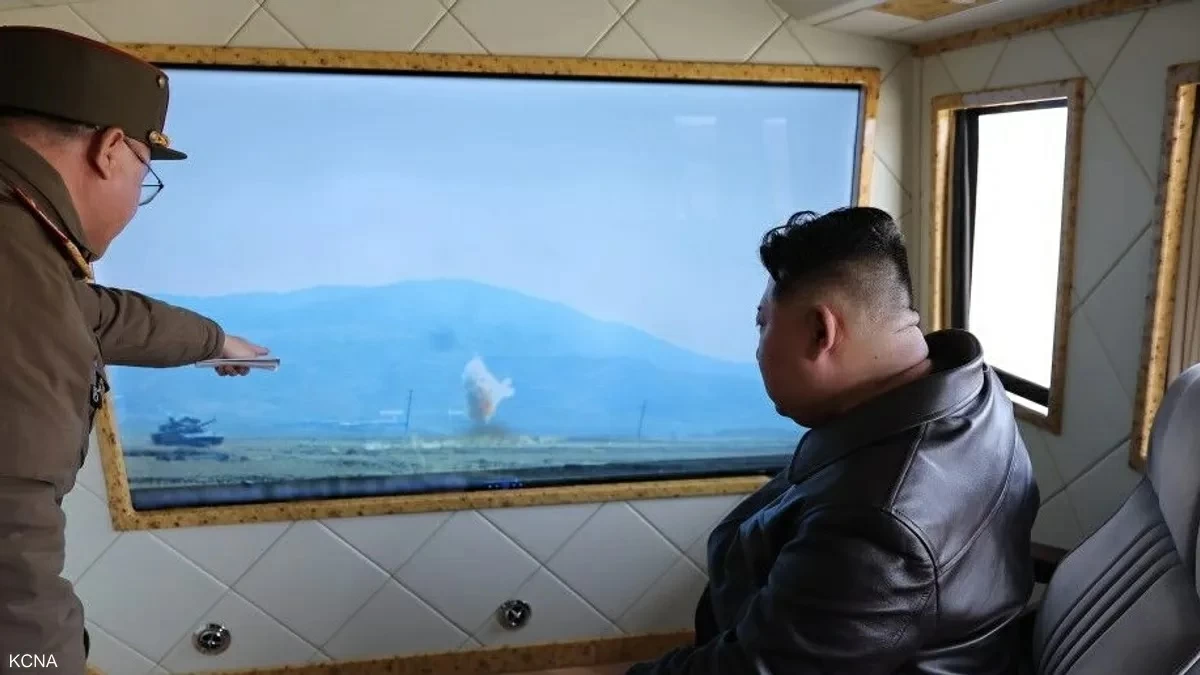
في تصعيد جديد يعكس استمرار التوتر في شبه الجزيرة الكورية، أعلنت كل من كوريا الجنوبية واليابان، اليوم (الأحد)، أن كوريا الشمالية أطلقت عدة صواريخ بالستية باتجاه المياه قبالة ساحلها الشرقي، في خطوة تُعد امتداداً لسلسلة متصاعدة من الاختبارات العسكرية التي تنفذها بيونغ يانغ ضمن مسار تعزيز قدراتها التسليحية.
ويأتي هذا التطور ليشكل الإطلاق السابع لصاروخ بالستي منذ مطلع العام، والرابع خلال أبريل وحده، ما يعكس وتيرة متسارعة في النشاط الصاروخي الكوري الشمالي.
وفي هذا السياق، أفادت تقارير إعلامية بأن مكتب الرئاسة في كوريا الجنوبية عقد اجتماعاً أمنياً طارئاً لبحث تداعيات التطور الأخير وتقييم مستوى التهديد.
وتُعد هذه التجارب انتهاكاً لقرارات مجلس الأمن الدولي التي تفرض قيوداً على برنامج الصواريخ البالستية لكوريا الشمالية، فيما تواصل بيونغ يانغ رفض تلك القيود، مؤكدة أنها تمثل «تدخلاً في حقها السيادي في الدفاع عن النفس».
وأوضح الجيش الكوري الجنوبي أن عمليات الإطلاق جرت من محيط مدينة سينبو على الساحل الشرقي، بينما أشارت اليابان إلى أن الصواريخ يُعتقد أنها سقطت في المياه قبالة الساحل الشرقي لشبه الجزيرة الكورية، دون تسجيل أي اختراق لمجالها الاقتصادي الخالص.
وتأتي هذه التطورات في ظل سياق دولي متحرك، مع استعداد كل من الصين والولايات المتحدة لعقد قمة مرتقبة في منتصف مايو القادم، يُتوقع أن تتناول ملفات إقليمية بارزة، وفي مقدمتها الملف الكوري الشمالي، وسط ترقب لمباحثات محتملة بين الرئيسين شي جين بينغ ودونالد ترمب.
وفي موازاة ذلك، حذّر المدير العام للوكالة الدولية للطاقة الذرية رافائيل غروسي من أن كوريا الشمالية أحرزت تقدماً «بالغ الخطورة» في تطوير قدراتها النووية، بما في ذلك مؤشرات على توسع محتمل في منشآت تخصيب اليورانيوم.
وكان الزعيم الكوري الشمالي كيم جونغ أون قد أكد في أواخر مارس أن وضع بلاده النووي «لا رجعة فيه»، مشدداً على أن توسيع الردع النووي يُعد ضرورة حتمية لحماية الأمن القومي.
وفي قراءة للمشهد، يرى ليم أول تشول، الأستاذ في جامعة كيونغ نام في كوريا الجنوبية، أن انشغال الولايات المتحدة بملفات دولية أخرى، وفي مقدمتها الملف الإيراني، قد يمنح بيونغ يانغ هامشاً أوسع للمضي قدماً في تطوير قدراتها النووية والصاروخية دون ضغوط مباشرة مكثفة.
In a new escalation reflecting the ongoing tension on the Korean Peninsula, both South Korea and Japan announced today (Sunday) that North Korea has launched several ballistic missiles toward the waters off its eastern coast, in a move considered an extension of a rising series of military tests conducted by Pyongyang as part of its efforts to enhance its military capabilities.
This development marks the seventh ballistic missile launch since the beginning of the year, and the fourth just in April alone, reflecting an accelerating pace of North Korean missile activity.
In this context, media reports indicated that the South Korean presidential office held an emergency security meeting to discuss the implications of the recent development and assess the level of threat.
These tests are considered a violation of United Nations Security Council resolutions that impose restrictions on North Korea’s ballistic missile program, while Pyongyang continues to reject those restrictions, asserting that they represent “an interference in its sovereign right to self-defense.”
The South Korean military clarified that the launches took place from the vicinity of the city of Sinpo on the eastern coast, while Japan indicated that the missiles are believed to have fallen into the waters off the eastern coast of the Korean Peninsula, with no breach of its exclusive economic zone recorded.
These developments come amid a shifting international context, with both China and the United States preparing for a much-anticipated summit in mid-May, expected to address prominent regional issues, foremost among them the North Korean issue, amid expectations of possible discussions between Presidents Xi Jinping and Donald Trump.
Concurrently, Rafael Grossi, the Director General of the International Atomic Energy Agency, warned that North Korea has made “serious” progress in developing its nuclear capabilities, including indications of a potential expansion of uranium enrichment facilities.
North Korean leader Kim Jong Un confirmed in late March that his country’s nuclear status is “irreversible,” emphasizing that expanding nuclear deterrence is an imperative necessity to protect national security.
In analyzing the situation, Lim Eul-chul, a professor at Kyungnam University in South Korea, believes that the United States’ preoccupation with other international issues, particularly the Iranian issue, may provide Pyongyang with a wider margin to advance its nuclear and missile capabilities without intense direct pressure.
للمزيد من المقالات
اضغط هنا