
اليابان تكسر قيود عقود من السلمية وتفتح باب تصدير الأسلحة – أخبار السعودية
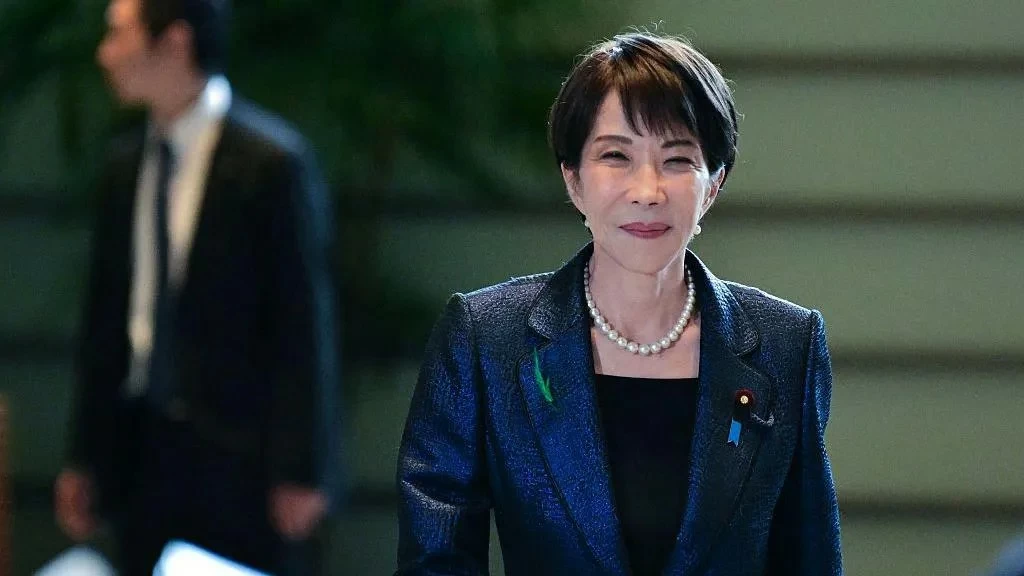
أعلنت اليابان تخفيف قيود استمرت عقوداً على صادرات الأسلحة، في خطوة تمثّل تحولاً كبيراً في سياستها الدفاعية التي اتسمت بالسلمية منذ نهاية الحرب العالمية الثانية.
ويتيح القرار الجديد لطوكيو تصدير الأسلحة إلى أكثر من 17 دولة تربطها بها اتفاقيات دفاعية، من بينها الولايات المتحدة الأمريكية والمملكة المتحدة، بعد إلغاء القيود التي كانت تحصر الصادرات في مجالات غير قتالية مثل الإنقاذ والنقل والمراقبة.
تحوّل استراتيجي في ظل تصاعد التوترات
يأتي هذا التطور في وقت تشهد فيه المنطقة توترات متزايدة، ما دفع الحكومة اليابانية إلى إعادة تقييم نهجها الدفاعي، وأكدت رئيسة الوزراء ساناي تاكايتشي، أن البيئة الأمنية المتدهورة تجعل من الصعب على أي دولة ضمان أمنها بمفردها.
ورغم ذلك، شدّدت على أن بلادها لا تزال ملتزمة بمبادئها دولةً «محبة للسلام» منذ أكثر من 80 عاماً، مؤكدة أن أي صفقات تسليح ستخضع لتقييمات صارمة ودقيقة.
استثناءات رغم استمرار الحظر
ورغم تخفيف القيود، لا يزال الحظر قائماً على تصدير الأسلحة إلى الدول المنخرطة في نزاعات، مع إمكانية منح استثناءات في «ظروف خاصة»، وفق ما أعلنته السلطات.
وأوضح كبير أمناء مجلس الوزراء مينورو كيهارا في مؤتمر صحفي، أن الهدف من هذه الخطوة هو تعزيز أمن اليابان والمساهمة في استقرار المنطقة.
ردود فعل دولية متباينة
وأثار القرار قلق الصين، التي أعربت عن «مخاوف جدية» مما وصفته بـ«العسكرة المتهورة» لليابان، مؤكدة أنها ستبقى في حالة يقظة ومعارضة لهذه الخطوة.
في المقابل، دعت كوريا الجنوبية إلى ضرورة أن تتماشى السياسات الدفاعية اليابانية مع روح دستورها السلمي، مع الحفاظ على الاستقرار الإقليمي، في ظل إرث تاريخي معقد بين البلدين يعود لفترة الاحتلال الياباني لشبه الجزيرة الكورية.
تطورات ميدانية موازية
وتزامن الإعلان مع مشاركة قوات الدفاع الذاتي اليابانية في تدريبات عسكرية مشتركة مع الولايات المتحدة والفلبين، إذ تشارك اليابان لأول مرة قوةً قتاليةً بدلاً من دور المراقب.
وتجري هذه المناورات بالقرب من مناطق بحرية متنازع عليها، بما في ذلك مناطق قريبة من تايوان، التي تعتبرها بكين جزءاً من أراضيها ولم تستبعد استخدام القوة للسيطرة عليها.
نهاية تدريجية لعقود من السلمية
وتعود جذور النهج السلمي لليابان إلى دستور عام 1947، الذي نص على التخلي عن الحرب وسيلةً لحلِّ النزاعات الدولية. لكن هذا النهج شهد تحولات تدريجية خلال السنوات الماضية.
ففي عام 2014، خفّف رئيس الوزراء الراحل شينزو آبي، القيود على التعاون العسكري، بينما سمح خليفته فوميو كيشيدا في 2023 بتصدير أسلحة فتاكة للمرة الأولى منذ الحرب العالمية الثانية.
وتدعم تاكاييتشي مراجعة الدستور، خصوصاً المادة التاسعة التي تنبذ الحرب، في خطوة يرى مؤيدوها أنها ضرورية لمواجهة التحديات الأمنية الجديدة، بينما يحذّر منتقدون من أن ذلك قد يدفع اليابان نحو الانخراط في صراعات عسكرية مستقبلية.
Japan has announced the easing of decades-long restrictions on arms exports, in a move that represents a significant shift in its defense policy, which has been characterized by pacifism since the end of World War II.
The new decision allows Tokyo to export arms to more than 17 countries with which it has defense agreements, including the United States and the United Kingdom, after lifting restrictions that limited exports to non-combat areas such as rescue, transport, and surveillance.
Strategic Shift Amid Rising Tensions
This development comes at a time when the region is experiencing increasing tensions, prompting the Japanese government to reassess its defense approach. Prime Minister Sanae Takaiichi emphasized that the deteriorating security environment makes it difficult for any country to ensure its security alone.
Nevertheless, she stressed that her country remains committed to its principles as a “peace-loving” nation for over 80 years, affirming that any arms deals will be subject to strict and thorough evaluations.
Exceptions Despite Ongoing Ban
Despite the easing of restrictions, the ban on arms exports to countries involved in conflicts remains in place, with the possibility of granting exceptions in “special circumstances,” as announced by the authorities.
Chief Cabinet Secretary Minoru Kihara clarified in a press conference that the aim of this step is to enhance Japan’s security and contribute to regional stability.
Mixed International Reactions
The decision raised concerns in China, which expressed “serious worries” about what it described as Japan’s “reckless militarization,” asserting that it will remain vigilant and opposed to this move.
In contrast, South Korea called for Japan’s defense policies to align with the spirit of its pacifist constitution while maintaining regional stability, amid a complex historical legacy between the two countries dating back to the period of Japanese occupation of the Korean Peninsula.
Parallel Field Developments
The announcement coincided with the participation of Japan’s Self-Defense Forces in joint military exercises with the United States and the Philippines, marking Japan’s first involvement with combat forces instead of a monitoring role.
These maneuvers are taking place near disputed maritime areas, including regions close to Taiwan, which Beijing considers part of its territory and has not ruled out using force to control.
Gradual End to Decades of Pacifism
The roots of Japan’s pacifist approach date back to the 1947 constitution, which stipulated the renunciation of war as a means of resolving international disputes. However, this approach has undergone gradual transformations over the past years.
In 2014, the late Prime Minister Shinzo Abe eased restrictions on military cooperation, while his successor Fumio Kishida allowed the export of lethal weapons for the first time since World War II in 2023.
Takaiichi supports revising the constitution, particularly Article 9, which renounces war, in a move that supporters see as necessary to address new security challenges, while critics warn that it could push Japan toward engaging in future military conflicts.
للمزيد من المقالات
اضغط هنا