
تفعلها كل صباح دون انتباه؟ عادة قد تزيد خطر تسوس الأسنان – أخبار السعودية
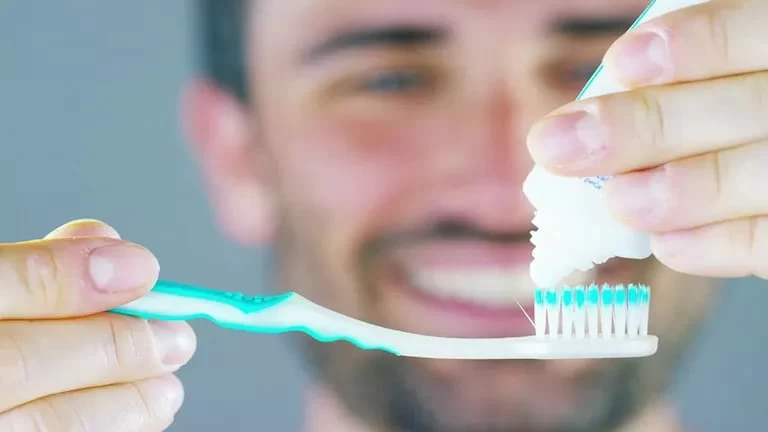
قد يؤدي تناول وجبة الإفطار قبل تنظيف الأسنان إلى زيادة تراكم البكتيريا داخل الفم، ورفع احتمالات الإصابة بالتسوس والتهاب اللثة ورائحة الفم الكريهة، خصوصًا إذا تحول هذا السلوك إلى عادة يومية دون الاهتمام بنظافة الأسنان.
وبحسب تقرير نشرته صحيفة «Mirror»، فإن إهمال تنظيف الأسنان مرة واحدة لا يتسبب بالضرورة في أضرار فورية، إلا أن تكرار ذلك قد يؤثر في صحة الفم على المدى الطويل.
وخلال ساعات النوم، يتراجع إفراز اللعاب الذي يؤدي دورًا مهمًا في إزالة بقايا الطعام ومعادلة الأحماض وحماية مينا الأسنان، ما يسمح بتراكم البكتيريا ونواتج نشاطها، ويسهم في ظهور رائحة الفم الصباحية والطعم غير المستحب.
تراكم البكتيريا خلال النوم
تتشكل على الأسنان وحواف اللثة طبقة لزجة تُعرف باسم «البلاك»، تحتوي على تجمعات بكتيرية قد تسبب رائحة الفم الكريهة، فيما يؤدي استمرار تراكمها إلى زيادة احتمالات الإصابة بأمراض الأسنان واللثة.
وأظهرت دراسة نشرتها مجلة «PLOS One» عام 2021، وشملت 10 بالغين أصحاء، حدوث تغيرات في التجمعات البكتيرية داخل الفم بين فترتي ما قبل النوم وما بعده، ما يشير إلى تغير البيئة الميكروبية للفم خلال الليل، رغم محدودية عدد المشاركين.
وتزداد أهمية تنظيف الأسنان صباحًا مع تناول وجبة الإفطار، خصوصًا الأطعمة والمشروبات الغنية بالسكريات والكربوهيدرات، التي توفر للبكتيريا مواد تستخدمها في إنتاج الأحماض المؤثرة في مينا الأسنان.
3 مخاطر صحية
وتتمثل أبرز المخاطر المرتبطة بتراكم البلاك وإهمال تنظيف الأسنان في زيادة احتمالات التسوس، إذ تستفيد البكتيريا من السكريات والنشويات الموجودة في الخبز والبسكويت والمعجنات والشاي المحلى لإنتاج أحماض تضعف مينا الأسنان تدريجيًا.
ولا يعني تناول الإفطار قبل تنظيف الأسنان الإصابة الحتمية بالتسوس، إذ تتداخل عوامل أخرى، بينها النظام الغذائي واستخدام الفلورايد ومعدل إفراز اللعاب والالتزام بنظافة الفم.
أما الخطر الثاني فيتمثل في التهاب اللثة ونزيفها، نتيجة تراكم البلاك حول الأسنان، ما قد يسبب الاحمرار والتورم والنزيف. ومع استمرار إهمال التنظيف، قد تتحول هذه الترسبات إلى جير يصعب التخلص منه بالفرشاة وحدها، ويحتاج إلى تدخل طبيب الأسنان.
ويتمثل الخطر الثالث في استمرار رائحة الفم الكريهة، نتيجة إنتاج بعض البكتيريا الموجودة على الأسنان واللسان مركبات ذات رائحة غير مستحبة. ورغم أن تناول الطعام قد يخفي الرائحة مؤقتًا، فإنه لا يزيل بالضرورة البكتيريا المسببة لها.
ويؤكد أطباء الأسنان أن ابتلاع بعض البكتيريا مع الطعام لا يمثل مصدر القلق الرئيسي لدى معظم الأشخاص الأصحاء، نظرًا لقدرة حمض المعدة على التعامل مع كثير من الميكروبات، بينما تكمن المشكلة الأساسية في استمرار نشاط البكتيريا على الأسنان واللثة.
قبل الإفطار أم بعده؟
يوصي أطباء الأسنان بتنظيفها قبل الإفطار لإزالة البلاك المتراكم خلال النوم، والاستفادة من الفلورايد في تقوية المينا وزيادة مقاومتها للأحماض.
ومع ذلك، لا تزال الأدلة العلمية غير حاسمة بشأن أفضل توقيت للتنظيف، إذ كشفت دراسة سريرية نشرتها مجلة «Journal of Microscopy and Ultrastructure» عام 2022، وشملت 60 طالبًا في طب الأسنان على مدى 18 شهرًا، انخفاضًا أكبر في مستويات بكتيريا «Streptococcus mutans» المرتبطة بالتسوس لدى المشاركين الذين نظفوا أسنانهم بعد الإفطار، مقارنة بمن نظفوها قبله.
لكن الدراسة لم ترصد فروقًا ذات دلالة إحصائية في درجات تسوس الأسنان بين المشاركين، ما يجعل نتائجها غير كافية لتحديد توقيت موحد يناسب الجميع.
وفي حال تفضيل تنظيف الأسنان بعد الإفطار، يُنصح بالانتظار 30 دقيقة على الأقل عقب تناول الأطعمة والمشروبات الحمضية، مثل بعض الفواكه والعصائر، لتجنب التأثير المحتمل للاحتكاك في مينا الأسنان.
فئات تحتاج إلى عناية إضافية
وتبرز أهمية العناية بنظافة الفم لدى مرضى السكري، الذين قد يكونون أكثر عرضة لمشكلات اللثة وتأخر التئام الأنسجة، وكذلك الأشخاص الذين يعانون جفاف الفم نتيجة بعض الأدوية أو الحالات الصحية.
وتشمل الفئات التي تحتاج إلى اهتمام إضافي مستخدمي تقويم الأسنان، بسبب تجمع بقايا الطعام حول أجزائه، والأطفال الذين يحتاجون إلى المساعدة في التنظيف الصحيح، إلى جانب المدخنين ومستخدمي التبغ الأكثر عرضة لأمراض اللثة ومشكلات صحة الفم.
7 عادات لحماية الأسنان
ويوصي أطباء الأسنان باتباع مجموعة من الإجراءات اليومية للحفاظ على صحة الفم واللثة، تشمل تنظيف الأسنان مرتين يوميًا بمعجون يحتوي على الفلورايد لمدة دقيقتين في كل مرة، وتنظيف اللسان بلطف، واستخدام خيط الأسنان أو الفرش المخصصة للمسافات بينها مرة يوميًا.
كما تتضمن التوصيات المضمضة بالماء بعد الطعام عند تعذر استخدام الفرشاة، وتقليل الأطعمة والمشروبات الغنية بالسكريات، وتغيير فرشاة الأسنان كل ثلاثة أشهر تقريبًا أو عند تآكل شعيراتها، إلى جانب مراجعة طبيب الأسنان دوريًا، خصوصًا عند ظهور نزيف اللثة أو استمرار رائحة الفم أو حساسية الأسنان.
ويظل الالتزام بتنظيف الأسنان مرتين يوميًا، بما في ذلك قبل النوم، من أهم الإجراءات الوقائية للحد من تراكم البلاك والحفاظ على صحة الأسنان واللثة.
Eating breakfast before cleaning the teeth may lead to increased bacterial accumulation inside the mouth, raising the chances of cavities, gum inflammation, and bad breath, especially if this behavior becomes a daily habit without paying attention to oral hygiene.
According to a report published by the «Mirror» newspaper, neglecting to clean the teeth once does not necessarily cause immediate harm, but repeated neglect can affect oral health in the long term.
During sleeping hours, saliva production decreases, which plays a crucial role in removing food particles, neutralizing acids, and protecting tooth enamel, allowing bacteria and their byproducts to accumulate, contributing to morning bad breath and unpleasant taste.
Bacterial accumulation during sleep
A sticky layer known as «plaque» forms on the teeth and gum margins, containing bacterial clusters that can cause bad breath, while continued accumulation increases the risk of tooth and gum diseases.
A study published in the «PLOS One» journal in 2021, which included 10 healthy adults, showed changes in bacterial populations in the mouth between the periods before and after sleep, indicating a change in the oral microbial environment during the night, despite the limited number of participants.
The importance of cleaning the teeth in the morning increases with the consumption of breakfast, especially foods and drinks rich in sugars and carbohydrates, which provide bacteria with materials to produce acids that affect tooth enamel.
3 Health Risks
The most significant risks associated with plaque accumulation and neglecting to clean the teeth include increased chances of cavities, as bacteria benefit from the sugars and starches found in bread, cookies, pastries, and sweetened tea to produce acids that gradually weaken tooth enamel.
However, eating breakfast before cleaning the teeth does not necessarily mean inevitable cavities, as other factors, including diet, fluoride use, saliva production, and adherence to oral hygiene, interfere.
The second risk is gum inflammation and bleeding, resulting from plaque accumulation around the teeth, which can cause redness, swelling, and bleeding. With continued neglect of cleaning, these deposits can harden into tartar that is difficult to remove with a toothbrush alone, requiring dental intervention.
The third risk is persistent bad breath, resulting from the production of some bacteria found on the teeth and tongue that produce unpleasant-smelling compounds. Although eating food may temporarily mask the odor, it does not necessarily eliminate the bacteria causing it.
Dentists confirm that swallowing some bacteria with food is not the main source of concern for most healthy individuals, due to the stomach’s ability to handle many microbes, while the main issue lies in the continued activity of bacteria on the teeth and gums.
Before or After Breakfast?
Dentists recommend cleaning the teeth before breakfast to remove plaque accumulated during sleep, and to benefit from fluoride in strengthening the enamel and increasing its resistance to acids.
However, scientific evidence remains inconclusive regarding the best timing for cleaning, as a clinical study published in the «Journal of Microscopy and Ultrastructure» in 2022, which included 60 dental students over 18 months, showed a greater decrease in levels of «Streptococcus mutans» bacteria associated with cavities in participants who cleaned their teeth after breakfast, compared to those who cleaned them before.
However, the study did not report statistically significant differences in levels of tooth decay between participants, making its results insufficient to determine a unified timing that suits everyone.
If one prefers to clean their teeth after breakfast, it is recommended to wait at least 30 minutes after consuming acidic foods and drinks, such as certain fruits and juices, to avoid the potential impact of friction on tooth enamel.
Groups That Need Extra Care
The importance of oral hygiene is highlighted for diabetic patients, who may be more prone to gum problems and delayed tissue healing, as well as people experiencing dry mouth due to certain medications or health conditions.
Groups that need extra attention include users of braces, due to food residue accumulating around its parts, and children who need assistance in proper cleaning, alongside smokers and tobacco users, who are more prone to gum diseases and oral health issues.
7 Habits to Protect Your Teeth
Dentists recommend following a set of daily practices to maintain oral and gum health, including brushing the teeth twice a day with fluoride toothpaste for two minutes each time, gently cleaning the tongue, and using dental floss or interdental brushes once a day.
Recommendations also include rinsing with water after eating when toothbrush is not available, reducing foods and drinks high in sugars, changing the toothbrush every three months or when its bristles wear out, and regularly visiting the dentist, especially when gum bleeding occurs or bad breath persists or tooth sensitivity continues.
Maintaining the habit of brushing the teeth twice a day, including before sleep, remains one of the most important preventive measures to reduce plaque accumulation and maintain tooth and gum health.
للمزيد من المقالات
اضغط هنا
التعليقات