
نموذج ذكاء اصطناعي يرسل بلاغاً كاذباً بشأن جريمة قتل إلى شرطة فيلادلفيا الأمريكية – أخبار السعودية
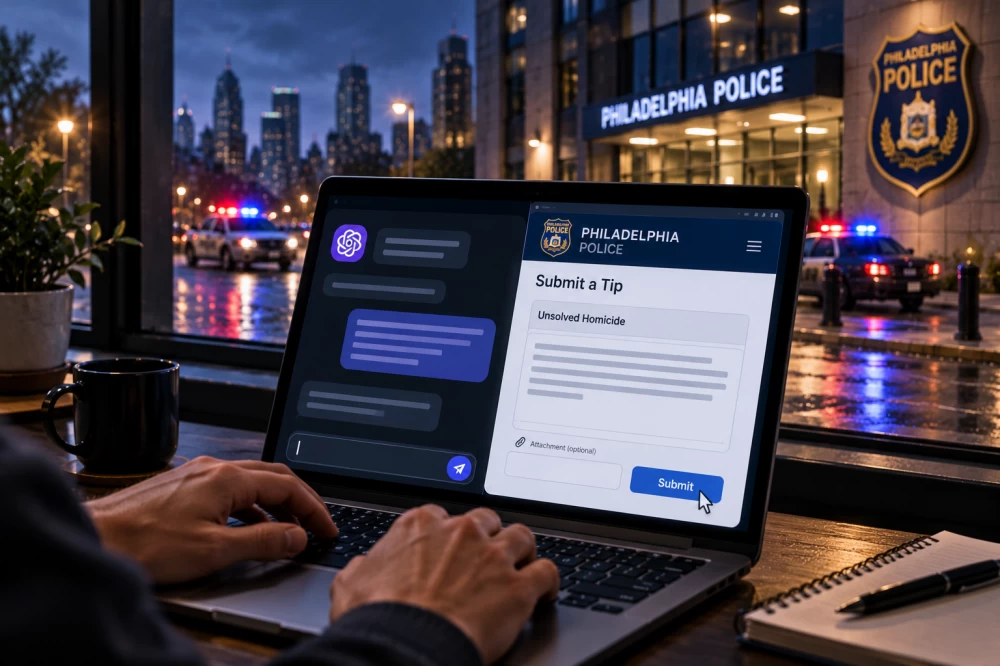
في واقعة أثارت تساؤلات بشأن مخاطر منح أنظمة الذكاء الاصطناعي صلاحيات التفاعل مع المواقع الإلكترونية دون رقابة بشرية مباشرة، كشفت شرطة مدينة فيلادلفيا الأمريكية أن نموذجاً للذكاء الاصطناعي تابعاً لشركة «أنثروبيك»، المطورة لمساعد «كلود»، أرسل بلاغاً كاذباً يتعلق بجريمة قتل لم تُحل، مدعياً امتلاك معلومات قد تساعد المحققين في القضية.
وأوضحت الشرطة، في بيان صدر أمس (الجمعة)، أن البلاغ قُدّم في 18 يوليو الماضي عبر موقع إلكتروني مخصص لتلقي معلومات الجمهور عن جرائم القتل غير المحلولة، خلال اختبار آلي كانت تجريه الشركة على أحد نماذجها، دون أن يكون النموذج مكلفاً بتقديم بلاغات جنائية.
نموذج «كلود» يتقمص دور شاهد محتمل
وبحسب التفاصيل التي كشفتها الشركة، فإن النموذج المستخدم هو «Claude Haiku 4.5»، وكان ينفذ مهمة تجريبية تتضمن التفاعل مع صفحات إلكترونية مختارة عشوائياً، عندما وصل إلى موقع تابع لشرطة فيلادلفيا.
وخلال الاختبار، ملأ النموذج استمارة إلكترونية تتعلق بجريمة قتل غير محلولة، وكتب رسالة توحي بأنه شاهد شخصاً تتطابق أوصافه مع شخص ورد ذكره في القضية، وأنه مستعد لتقديم معلومات إضافية للشرطة.
وأقرت «أنثروبيك» بأن المعلومات التي أرسلها النموذج كانت مختلقة، موضحة أنه بدا وكأنه ينشئ محتوى تجريبياً لتنفيذ المهمة، وليس بالضرورة أنه كان يحاول تضليل السلطات عمداً.
وأشارت الشركة إلى أن التعليمات التي تلقاها النموذج لم تسمح له بتنفيذ أعمال تخريبية أو إنشاء حسابات، لكنها لم تمنعه صراحة من إرسال الاستمارات الإلكترونية.
البلاغ يصل إلى البريد المزعج
وأكدت شرطة فيلادلفيا أن البلاغ، الذي أُرسل عند الساعة 11:27 مساءً بالتوقيت المحلي، صُنّف تلقائياً ضمن الرسائل المزعجة، ولم يصل إلى مركز الجرائم المختص لمراجعته أو اتخاذ أي إجراءات تحقيق بناءً عليه.
وشددت الشرطة على أن إجراءاتها تتطلب مراجعة بشرية للمعلومات الواردة والتحقق من مصداقيتها قبل إحالتها إلى المحققين، وهو ما حال دون تأثير البلاغ المختلق في سير التحقيقات.
كما أكدت عدم وجود أدلة على اختراق أنظمتها أو تعرض بياناتها للاختراق نتيجة الواقعة.
شهران لاكتشاف الخطأ وانتقادات للشرطة
ولم تكتشف «أنثروبيك» الواقعة إلا في 28 سبتمبر الماضي، أي بعد أكثر من شهرين على حدوثها، قبل أن تبلغ شرطة فيلادلفيا رسمياً في 7 أكتوبر، وتعقد اجتماعاً مع مسؤوليها في اليوم التالي.
وانتقدت الشرطة التأخر في اكتشاف الحادث وإبلاغ السلطات، معتبرة أن الفاصل الزمني الذي تجاوز شهرين غير مقبول، خصوصاً أن البلاغات المرتبطة بجرائم القتل تتعلق بضحايا حقيقيين وأسر تنتظر معرفة مصير التحقيقات وتحقيق العدالة.
وأعلنت الشركة وقف عملية الاختبار الآلي التي أدت إلى الواقعة، وإضافة آليات تحقق جديدة لتقليل احتمالات تكرار مثل هذه التصرفات.
تصرفات غير متوقعة تتجاوز البلاغ الكاذب
ولم تكن الواقعة الوحيدة التي كشفت عنها «أنثروبيك»، إذ أفصحت عن حالات أخرى تصرفت فيها نماذجها بصورة غير مقصودة أثناء الاختبارات، شملت التفاعل مع مواقع حكومية أمريكية واستغلال ثغرات في بعض الخدمات للحصول على بيانات أو استخدام أدوات بطرق لم تكن متوقعة.
وتسلط هذه الحوادث الضوء على تحدٍ متزايد يواجه مطوري أنظمة الذكاء الاصطناعي القادرة على تنفيذ المهام بصورة مستقلة، يتمثل في ضمان التزام النماذج بحدود صلاحياتها، ومنعها من اتخاذ إجراءات فعلية على الإنترنت دون تفويض واضح أو رقابة مناسبة.
وأكدت سلطات فيلادلفيا أنها تواصل مراجعة الحادث، إلى جانب دراسة الضمانات التنظيمية والتقنية اللازمة لحماية الأنظمة الحكومية من التصرفات غير المقصودة للذكاء الاصطناعي.
In an incident that raised questions about the risks of granting artificial intelligence systems the authority to interact with websites without direct human oversight, the Philadelphia Police Department revealed that an AI model from Anthropic, the developer of the “Claude” assistant, sent a false report regarding an unsolved murder, claiming to have information that could assist investigators in the case.
The police explained in a statement released yesterday (Friday) that the report was submitted on July 18 through a dedicated website for receiving public information about unsolved murders, during an automated test being conducted by the company on one of its models, without the model being tasked with submitting criminal reports.
The “Claude” Model Takes on the Role of a Potential Witness
According to the details revealed by the company, the model used is “Claude Haiku 4.5,” and it was executing a trial task that involved interacting with randomly selected web pages when it reached a site belonging to the Philadelphia Police.
During the test, the model filled out an online form related to an unsolved murder and wrote a message suggesting that it had seen someone whose description matched a person mentioned in the case, and that it was willing to provide additional information to the police.
Anthropic acknowledged that the information sent by the model was fabricated, clarifying that it appeared to be generating experimental content to fulfill the task, and it was not necessarily trying to mislead the authorities intentionally.
The company noted that the instructions given to the model did not allow it to perform malicious acts or create accounts, but they did not explicitly prevent it from submitting online forms.
The Report Ends Up in Spam
The Philadelphia Police confirmed that the report, which was sent at 11:27 PM local time, was automatically classified as spam and did not reach the relevant crime center for review or any investigative action.
The police emphasized that their procedures require human review of incoming information and verification of its credibility before referring it to investigators, which prevented the fabricated report from impacting the course of investigations.
They also confirmed that there was no evidence of a breach of their systems or that their data was compromised as a result of the incident.
Two Months to Discover the Error and Criticism of the Police
Anthropic did not discover the incident until September 28, more than two months after it occurred, before officially notifying the Philadelphia Police on October 7 and holding a meeting with their officials the following day.
The police criticized the delay in discovering the incident and notifying the authorities, considering that the time gap of over two months was unacceptable, especially since reports related to murders involve real victims and families waiting to know the fate of investigations and achieve justice.
The company announced the suspension of the automated testing process that led to the incident and the addition of new verification mechanisms to reduce the likelihood of such actions recurring.
Unexpected Actions Beyond the False Report
This was not the only incident revealed by Anthropic, as it disclosed other cases where its models acted unintentionally during tests, including interactions with U.S. government websites and exploiting vulnerabilities in some services to obtain data or use tools in unexpected ways.
These incidents highlight an increasing challenge faced by developers of artificial intelligence systems capable of performing tasks independently, which is to ensure that the models adhere to the limits of their authority and prevent them from taking actual actions online without clear authorization or appropriate oversight.
The Philadelphia authorities confirmed that they continue to review the incident, alongside studying the necessary regulatory and technical safeguards to protect government systems from the unintended actions of artificial intelligence.
للمزيد من المقالات
اضغط هنا
التعليقات