
بزيادة 100% عن تقديرات «البنتاغون».. مسؤولون أمريكيون: 50 مليار دولار تكلفة حرب إيران – أخبار السعودية
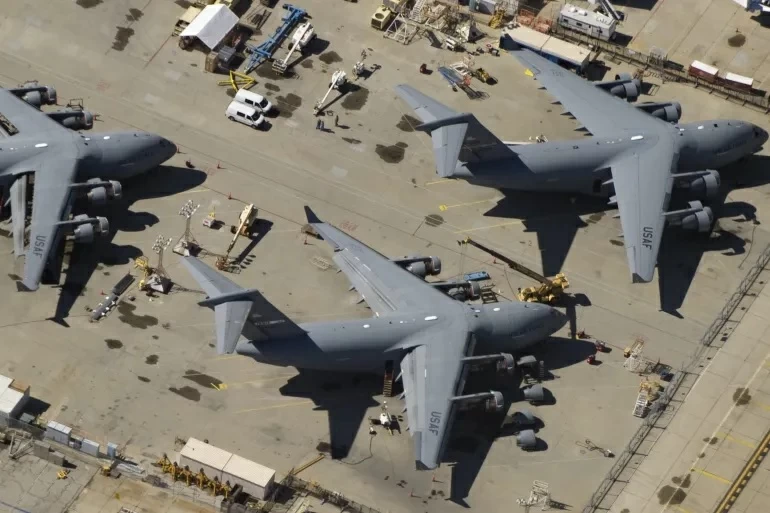
قدر مسؤولون أمريكيون تكلفة حرب إيران بأنها تقترب من نحو 50 مليار دولار، أي نحو ضعف التقدير العلني الذي قدّمته وزارة الدفاع «البنتاغون»، بحسب ما نقلت عنهم شبكة CBS News.
وخلال جلسة استماع في الكونغرس، الأربعاء، قدّر وزير الحرب الأمريكي بيت هيجسيث، ورئيس هيئة الأركان المشتركة دان كين تكلفة العمليات العسكرية في إيران بنحو 25 مليار دولار، وهو رقم لا يشمل بالكامل خسائر المعدات أو الأضرار التي لحقت بالمنشآت العسكرية الأمريكية.
وأفاد المسؤولون الأمريكيون، في حديثهم لـ CBS News، بأن التكلفة الفعلية للحرب تقترب من 50 مليار دولار حتى الآن. ويرجع جزء كبير من الفارق إلى الذخائر المستخدمة، والتي تحتاج إلى استبدال. وخسر البنتاغون 24 طائرة مسيّرة من طراز MQ-9 Reaper، والتي قد تتجاوز تكلفة الواحدة منها 30 مليون دولار، ما يعكس سرعة تصاعد الأعباء المالية.
ويعكس تقدير الـ50 مليار دولار، ليس فقط وتيرة العمليات، بل التكاليف غير المرئية المرتبطة بالاستنزاف، حيث يؤدي فقدان المعدات في الميدان إلى زيادة النفقات.
ووفق حسابات وكالة «بلومبيرغ» المستندة إلى بيانات البنتاغون، تبلغ تكلفة بعض الذخائر والمعدات المدمرة والنفقات التشغيلية ما يصل إلى 14 مليار دولار. ويشمل ذلك 8 مليارات لبعض الذخائر، و5 مليارات لاستبدال الطائرات والمعدات المدمرة، ومليار كنفقات تشغيل لحاملتي طائرات، و16 مدمرة، على مدى 39 يوماً من الضربات شبه المستمرة.
وخلال جلسة الكونغرس، قال القائم بأعمال المراقب المالي في البنتاغون جولز هيرست، إن تكلفة الإنشاءات العسكرية يصعب تقديرها، مشيراً إلى عدم وضوح الوضع المستقبلي للقواعد العسكرية. ولفت إلى أن الرقم يشمل تكلفة الذخائر المستخدمة والتكاليف التشغيلية، فيما رفض تقديم تفصيل دقيق.
من جانبه، أعرب السيناتور الديمقراطي كريس كونز، عن شكوكه في رقم 25 مليار دولار، معتبراً أنه منخفض ولا يشمل تكاليف نشر القوات واستمرارها لمدة شهرين.
ونقلت CBS News عن الخبير، مارك كانسيان، قوله: إن الذخائر تمثل أكبر جزء من تكلفة الحرب، لكن هناك مصاريف أخرى غير ظاهرة، مثل ارتفاع تكاليف الوقود المستخدم في الطائرات والسفن والمركبات العسكرية.
ولفت إلى أن وزارة الحرب، ليست الجهة الوحيدة التي تتحمل التكاليف، إذ تتحمل جهات أخرى، مثل وزارة الأمن الداخلي، النفقات الإضافية. وأضاف أن إعادة بناء مخزون الذخائر سيستغرق «عدة سنوات».
وقدّر معهد المشروع الأمريكي البحثي، أن ارتفاع أسعار الوقود والأسمدة قد يكلف كل أسرة أمريكية نحو 150 دولاراً إضافياً شهرياً.
American officials have estimated the cost of the Iran war to be approaching around $50 billion, nearly double the public estimate provided by the Department of Defense, the Pentagon, according to CBS News.
During a congressional hearing on Wednesday, U.S. Secretary of War Pete Hegseth and Chairman of the Joint Chiefs of Staff Dan Keen estimated the cost of military operations in Iran at around $25 billion, a figure that does not fully account for equipment losses or damage to U.S. military facilities.
U.S. officials, in their discussions with CBS News, stated that the actual cost of the war is nearing $50 billion so far. A significant portion of the difference is attributed to the munitions used, which need to be replaced. The Pentagon has lost 24 MQ-9 Reaper drones, each of which may cost over $30 million, reflecting the rapid escalation of financial burdens.
The $50 billion estimate reflects not only the pace of operations but also the hidden costs associated with attrition, as the loss of equipment in the field leads to increased expenses.
According to calculations by Bloomberg based on Pentagon data, the cost of some destroyed munitions and equipment, along with operational expenses, amounts to up to $14 billion. This includes $8 billion for certain munitions, $5 billion for replacing destroyed aircraft and equipment, and $1 billion in operational costs for two aircraft carriers and 16 destroyers over 39 days of nearly continuous strikes.
During the congressional session, acting Pentagon comptroller Jules Hirst stated that estimating the cost of military constructions is difficult, pointing to the unclear future situation of military bases. He noted that the figure includes the cost of munitions used and operational costs, while he declined to provide a detailed breakdown.
For his part, Democratic Senator Chris Coons expressed skepticism about the $25 billion figure, considering it low and not inclusive of the costs of deploying troops and maintaining them for two months.
CBS News reported expert Mark Cancian as saying that munitions represent the largest portion of the war’s cost, but there are other hidden expenses, such as rising fuel costs for aircraft, ships, and military vehicles.
He pointed out that the Department of War is not the only entity bearing the costs, as other agencies, such as the Department of Homeland Security, also incur additional expenses. He added that rebuilding the munitions stockpile will take “several years.”
The American Enterprise Institute estimated that rising fuel and fertilizer prices could cost each American household an additional $150 per month.
للمزيد من المقالات
اضغط هنا