
مقالة السفياني تضع «عرّاب الحداثة» على المحك المعياريّ – أخبار السعودية
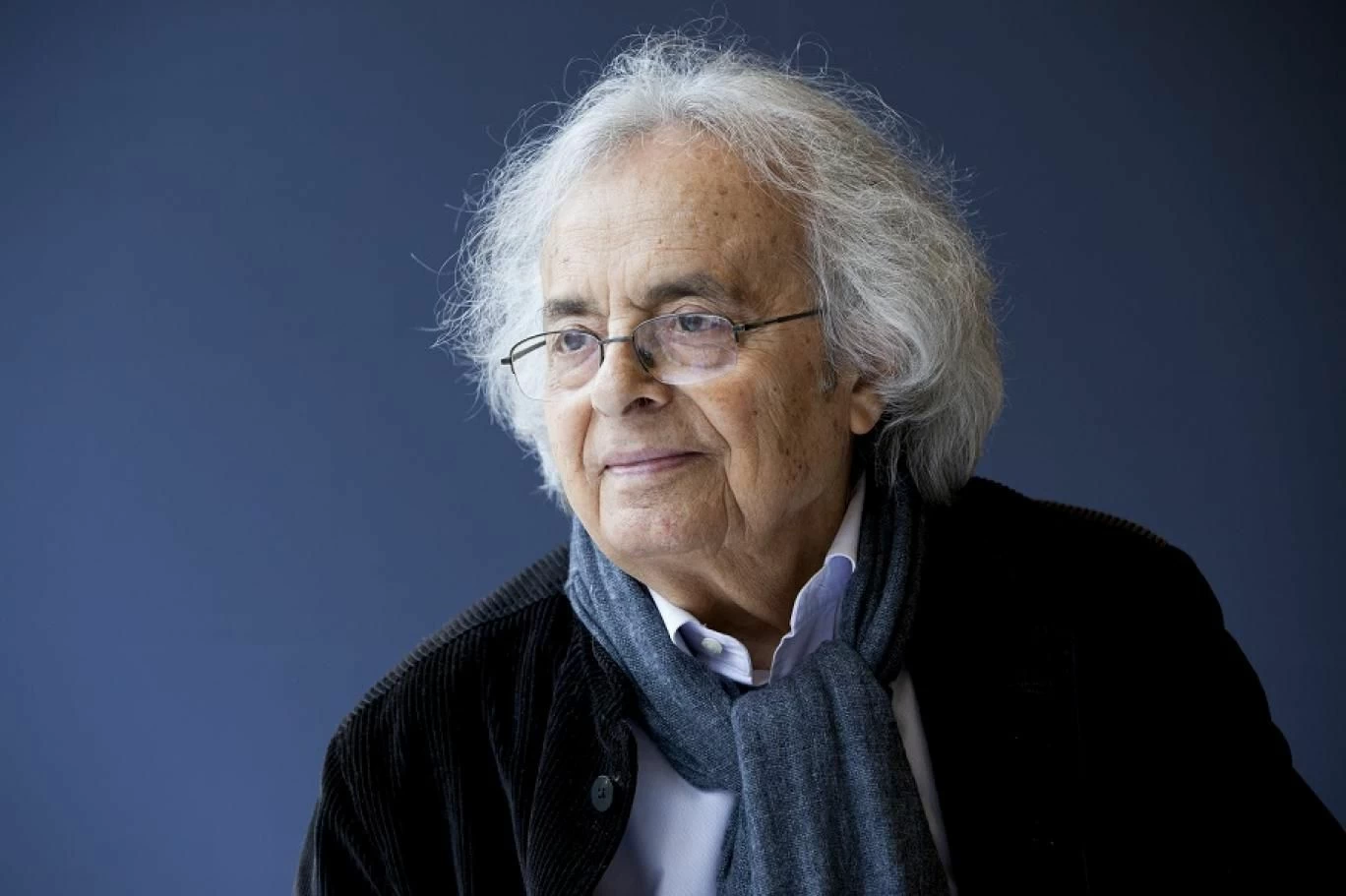
نجح الناقد الأكاديمي الدكتور عبدالله السفياني، في إعادة النقاشات الثقافية بمقالة راصدة انطلقت من استنطاقه حواراً «بودكاستياً» مع عرّاب الحداثة أدونيس بعنوان «من الهدم إلى صرخة المعيار.. أدونيس في مواجهة أدونيس»، تناول فيه انقلاب أدونيس على نفسه، إذ كان يدعو إلى الهدم المجازي، لشرعنة قصيدة النثر، وأصبح إثر عقود سبعة ينادي بالاحتكام للمحك المعياري؛ كونها غدت قصيدة مبتذلة يكتبها من لا يعرف كُنه وأصول كتابتها، وأشعلت المقالة نار التجاذبات والاستقطابات، التي لم يخمد تماماً جمر أوارها، وتباينت ردود الأفعال، إلا أن اللافت أن بعض مدّعي الافتتان بصاحب (الثابت والمتحوّل) تضامنوا مع مقالة السفياني ربما لمآرب، فيما ناصرها البعض انطلاقاً من مواقف تاريخية، وتحفّظ البعض على المقالة اعترافاً بمكانة أدونيس الثقافية والفكرية، والتزم آخرون الصمت؛ كي لا يخسروا أحداً، ويكسبوا أنفسهم إن أمكن، ونطرح هنا القضيّة مُجدداً في محاولة لتحرير إشكال، وسماع وجهات النظر محل التقدير حول شخصية كانت وستظل جدليّة.
مدير بيت الشعر العربي الشاعر سامح محجوب يرى الفنّ تجريباً وانزياحاً ونظاماً تراتبيا مُحْكماً، بصرف النظر عن المدرسية التي حاول الأكاديميون ومدرسو اللغة تأطيرها بتعاريف سطحية، اتخذها تلامذتهم معايير حاكمة وقطعية للتفريق بين ما هو فن ولا فن. وقال محجوب: لستُ في معرض الردّ على مقولات أدونيس، الذي أقدّر له فضيلة الجدل الديالكتيكي الحاصل، بصرف النظر عن قيمته النقدية والفكرية، مع تحفظي على نعته بـ«الأب الروحي للحداثة العربية»، إن كان ثمة حداثة عربية! وأضاف: إن كان علي أحمد سعيد إسبر أباً روحياً لأحد فهو لشخصه فقط! وليس لمشروع الحداثة العربية، الذي أخفقوا في رصد وتتبع تجلياته وجذوره العميقة، ونكصوا على أعقاب نصوصهم الشعرية التي لم تتسع لحمولات رؤيتهم ولغتهم ومجازاتهم لصالح قصيدة نثر لم نبلغها إلى الآن، رغم الجلبة والضجيج الأجوف شعريّاً ونقديّاً كما وصف.
وتساءل محجوب: هل يعقل أن كل ما نعرفه عن الحلاج يعود للويس ماسينيون؟! وأن كل معارفنا الحديثة -بما فينا أدونيس- حول قصيدة النثر تعود لكتاب وحيد هو «قصيدة النثر» لصاحبة براءة اختراع هذا المسمى الفرنسية سوزان برنار، الذي تم تدشينه عربياً بلا مساءلة أو مراجعة أو نقد لما ورد به من رؤى وأفكار؟
وأوضح أنه ليس من هواة جلد الذات، أو تصدير الأزمات، ولا يحبّذ خلق إشكالات حول الكتابة بعامة والشعر خصوصاً، مؤكداً أن الفن يحافظ على نوعه على حد تعبير (نيتشه)، كما أنه ضدّ التكّريس للأشخاص والمقولات ولو صدرت عن عقول اعتبارية، خصوصاً فيما يتعلق بالفنون التي تعتمد معيارياتها ذاتياً؛ نتيجة اعتبارات سيكولوجية لا يمكن بأي حال من الأحوال أن تكون ثابتة أو جامدة. لافتاً إلى أنه لا يخشى على الشعر من كل ما يطرأ عليه من ثورات، فالشعر الذي ولد قبل الإنسان قادر على صنع إحداثياته وتطويرها بالرجوع لنفسه فقط.
ويؤكد الشاعر عبدالعزيز الشريف أنه قرأ مقالة الدكتور عبدالله السفياني حول مراجعات أدونيس، ووجد نفسه بين اقتناعٍ جزئي وقلقٍ لا يستطيع تجاهله؛ كون في المقالة قراءة لافتة تُشير إلى اتساع مساحة «القول» في الشعر العربي مقابل تراجع «القدرة» الفعلية على الكتابة، وهذا توصيف يبدو قريباً من الواقع الذي نراه اليوم، بينما في المقابل، لا يستطيع التعامل مع الطرح بوصفه إدانة نهائية لمشروع أدونيس، بل أشعر أنه أقرب إلى كشف مأزق نشأ من داخل فكرة الحداثة نفسها، لا من خارجها. وأوضح الشريف أن أدونيس، في الثابت والمتحول، لم يكن يدعو إلى الفوضى، بل إلى تحرير الشعر من سلطة المعيار الجاهز، ونقل مركز القاعدة من الخارج إلى داخل التجربة. غير أن هذه الفكرة، فيما يرى، لم تُستوعب دائماً بوعي كافٍ، فصارت عند كثيرين مجرد مساحة مفتوحة بلا أدوات أو معرفة.
وأكد أن الحرية التي أرادها أدونيس تحولت في نماذج كثيرة إلى فراغ لا إلى خلق، لذلك لا تبدو مفارقة «أدونيس المتأخر» تناقضاً بقدر ما هي ارتطام بفهمٍ ناقص لتجربة أرادت أن تكون أعمق من مجرد كسر القواعد. مضيفاً أن السفياني محق في إشارته إلى أزمة «المعيار»، وأن حمّل أحياناً الفكرة الأصلية أكثر مما تحتمل، متجاهلاً أن المشكلة ليست في الهدم، بل في ما بُني بعده. مشيراً إلى أن الأزمة ليست في كسر القواعد، بل في غياب القدرة على بناء ما بعدها.
وذهب الشاعر عبدالرحمن سابي إلى أنه منذ اندفاعه الأول لعوالم الأدب الذي وافق بدايات المدّ الحداثي في الأدب العربي، وكاد أن يجرفه معه لولا بعض الثوابت التي حالت دون الطعن في خاصرة الماضي بكل ما أوتي من قوة، وعدّ (أدونيس) طارح التساؤل الموصل لثورة الحداثة، في شتى مجالات الحياة؛ ومنها الأدب والشعر على وجه الخصوص فكثر الهرج وهتكت محاذير القصيدة العربية وأصبحت رصفاً للكلمات وخيالات تفسد المعنى وتشوه الصورة عبر نثرية بحتة راهن الزمن على هشاشتها.
وعدّ تراجع ( أدونيس) والاعتراف بالفلتان كما أسماه، وغيره من أرباب الحداثة في العالم العربي، دليلاً على انزلاق العديد منهم في مهاوي الأحادية الفكرية والنرجسية التي عطلت منابع ومنابت التراث، ليعودوا بمحاولة اللحاق بركب الثابت وأزليته وقدرته على التحديث ومتطلبات العصر في نسق معرفي ساحر الصورة والتركيب يهب النقد المعايير الفنية السليمة، ويضع حراكاً أدبياً يضمن للجيل أرضية صلبة يتكئ عليها في تكوين سليقة ونتاج أدبي يمنح الذائقة الفنية عندها خيالاً أخاذاً وصوراً تعطيه رياً عجزت عن رسمها كل القوالب المتحولة وستبقى كذلك كما قال.
أدونيس: لن أناقش كاتباً لم يعرف كيف يقرأني
«لن أُناقش كاتب المقالة أبداً، لا لأنّه انتقدني، فهذا من حقه، إلا أنه لم يعرف كيف يقرأني» وعن تراجعه عن بعض أطروحاته، أوضح أنه لا يتراجع إلا إذا رأى الخطأ، وأضاف: ما ذا تعني القناعة؟ نعم لقصيدة النثر في المطلق، وكلّا لقصيدة نثر يكتبها شخص ليس شاعراً ولا يعرف لغته، شأن قصيدة وزن يكتبها شخص لا يعرف الوزن.
أشجان هندي: السفياني انطلق نقده من داخل التجربة
أوضحت الشاعرة الدكتورة أشجان هندي أن الدكتور عبدالله السفياني أفاد وأجاد، مؤكدةً أن ما أورده يرتكز على أدلة واستشهادات من داخل تجربة أدونيس، واقتباسات من آرائه التي طرحها داخل كتبه، أو الأخرى التي ذكرها في (البودكاست).
وعدّت فكرة الأَدنَسة، (نسبة إلى أدونيس)، من زمن انطلاقها، وسياقاتها التاريخية والجغرافية والسياسية وغيرها: لا تجعلها فكرة أدبية إبداعية ونقدية خالصة، كونه من المستحيل فصل أي فكرة أو ظاهرة عن سياقاتها!
وأضافت: وعلى الرغم من ذلك، يُحسب لأدونيس أنه تمكّن من تنصيب نفسه -عبر أعماله وآرائه- عرّاباً للحداثة في العالم العربي في لحظة تاريخية ما سادت فيها أجواء صنعت -بنظرة أُحادية قاسية وقاصرة- فكرة المركز والهامش في العالم العربي!، وتم ذلك بقبول وموافقة، بل بتلقٍّ لا يخلو من الانبهار، ويكاد يقترب من التسليم الكامل بكل ما يطرحه أدونيس والتصديق عليه من نقاد ومبدعين عرب أضافوا هالةً لامعة، ووسعوا من نطاق شهرة آرائه، التي حملت الجديد في زمن كان يبحث عن الجديد والمُبهر، وعن الضد لكل ما هو ثابت وسائد، بل وعن هدم وتهشيم السائد والبناء على أنقاضه، في مقابل الترويج لبناء جديد مُنفصل عن كل ما سبق، ومُبشّر بقادم له بوصلة مُتحوّلة لجهة جديدة (لا يُشترط أن تكون معلومة بالضرورة) بعيداً عن الجهات الأربع الثابتة!، وهنا تكمن استحالة الفكرة منطقياً.
وترى أنه يُحسب لأدونيس -اليوم- هذا التراجع إن كان كذلك، فأدونيس مُفكّر ومبدع لا جدال في ذلك. وبالتالي فهو الأحق بمراجعة تجربته، ولا عيب في هذا، وإن كان من أسباب ذلك تغيُّر الواقع الذي نعيشه اليوم بكل حمولاته التاريخية والجغرافية والسياسية وغيرها. فالفكرة تتغيّر عبر الزمن بتغيّر محضنها الذي احتواها وتسبّب في نشأتها، وهذا هو الثابت الذي لا يجهله مفكر ومبدع وناقد مثل أدونيس.
إبراهيم زولي: قراءة انتقائية تتحول إلى مطاردة
يرى الشاعر إبراهيم زولي، أن النقد الجاد لا يختزل تجربة ثمانين عاماً في مقطع بودكاست عابر، وتُبنى عليه أحكام نهائية بلهجة القطع، كأن المسألة ضُبطت وانتهت.
موضحاً أن ما يجري هنا ليس تفكيكاً لمتن فكري، بل تصنيع سريع لإدانة جاهزة؛ أي استبدال القراءة بالمصادرة، والسؤال المعرفي بنشوة الاتهام، مشيراً إلى أنّ الأكاديمي لا يبدأ من اللمعة الإعلامية، بل من المتن، ولا ينطلق من الانفعال العابر، بل من النصوص المؤسسة، ولا يبني على جملة معلّقة في الهواء، بل على شبكة المفاهيم التي تمنحها معناها.
وذهب زولي إلى أن الإشكالية ليست في طرح السفياني المختلف مع أدونيس، فالاختلاف مع أدونيس ممكن، بل مطلوب أحياناً، بل المشكلة أنه لم يدخل إلى مشروعه من أبوابه الكبرى، وسائر نصوصه المؤسسة، ودلف من نافذة ضيقة، ثم تصرّف كأن النافذة هي البيت كله، لافتاً إلى خطورة تحوّل القراءة إلى مطاردة، ويصبح صاحب المشروع أهم من مشروعه، وتغدو العبارة الظرفية أرفع شأناً من البنية الفكرية التي أنتجتها.
وأضاف: من يقرأ أدونيس قراءة متأنية، يعرف أن الرجل لم يدعُ يوماً إلى حداثة تعني الأمية اللغوية، ولا إلى قطيعة عمياء مع التراث، ولا إلى تفويض عام للركاكة باسم الحرية.
وعدّ المراجعة حداثةً، لا نكوصاً عن الحداثة، بل دفاع عنها من داخلها، مؤكداً أن (أدونيس) في جوهر مشروعه، لم يفهم الحداثة بوصفها ترخيصاً للفوضى، بل بوصفها امتحاناً أشد قسوة للغة والشكل والرؤية. و كسر الوزن، عنده، لا يعني إسقاط المعايير، وحرية الشاعر لا تعني أن كل كتابة شعر، ولا أن كل تفكيكٍ للشكل إنتاجٌ لمعنى.
ويرى أن سوء فهم السفياني لكتاب الثابت والمتحول، صوّر له أن أدونيس يدعو إلى نسف التراث نسفاً عدمياً، كما توحي القراءة المتعجلة، بل الكتاب محاولة لإعادة فحص البنية الثقافية العربية، والتمييز بين ما في التراث من عناصر قابلة للحياة والتجدد، وما فيه من آليات تُعيد إنتاج الاتباع والجمود.
ولفت إلى أنّ جوهر المشروع ليس إلغاء الماضي، بل تحرير العلاقة به، وليس تمجيد الفوضى، بل نقد السكون والتقديس الأعمى. مضيفاً: أن اقتطاع لفظة «الهدم» من جهاز مفهومي كامل، وتقديمها بوصفها دليلاً على العدمية، ليس نقداً معرفياً، بل اختزال مخلّ، أقرب إلى البلاغة الاتهامية منه إلى الفهم.
وعدّ تحميل (أدونيس) مسؤولية كل كتابة رديئة خرجت تحت راية الحداثة حجة واهية وسببية كسولة. إذ ليس كل من أساء توظيف فكرة صار شاهداً على فسادها، وإلا لوجب اتهام كل مفكر. ويرى أن السفياني لم يفنّد أدونيس بقدر ما اختزل أدونيس: استبدل الكتاب بالمقتطف، والمتن بالهامش، والمشروع بالبودكاست.
وجدد تأكيده على أن ما يتهدّم ليس مشروع الحداثة، بل طريقة قراءته.
علي مكي: أدونيس لا يتراجع.. القراءة هي التي أخطأت!
يؤكد الكاتب علي مكي، أنه في لحظة؛ وكأنها «مراجعة» من أحد أبرز منظّري الحداثة العربية (أدونيس)، لتتسارع قراءات إلى توصيف ما قاله بوصفه تراجعاً عن مشروعه. إلا أن التمحيص الهادئ يكشف أن ما يحدث ليس تراجعاً، بقدر ما هو إعادة تموضع داخل المشروع نفسه.
ويرى مكي أنّ المشكلة، في جوهرها، ليست في أدونيس، بل في الطريقة التي قُرئت بها تصريحاته الأخيرة، إذ حين يتحدث أدونيس عن «فوضى قصيدة النثر»، لا يقف خارج الحداثة ليحاكمها، ولا ينقلب على ما أسّس له، بل يمارس واحدة من أعمق وظائف الفكر حول مساءلة النتائج من داخل التجربة، مؤكداً أن المسافة النقدية لا تعني التراجع، بل تعني النضج، إذ لا يمكن لأي مشروع فكري ممتد لعقود أن يظل أسير عباراته الأولى، أو أن يُجمَّد عند لحظة التأسيس.
وأوضح مكي أن مقالة الدكتور عبدالله السفياني بنيت على قراءة مبتسرة، لأنها تفترض أن الدعوة إلى «الهدم» كانت دعوة إلى الفوضى، بينما كانت، في سياقها، دعوة إلى تفكيك النسق المغلق تمهيداً لإنتاج نسق أكثر اتساعاً ووعياً، مشيراً إلى أن خلل القراءة في كونها تتعامل مع نصوص أدونيس المبكرة بوصفها أحكاماً نهائية، لا بوصفها لحظة ضمن مسار فكري متحوّل.
ولفت مكي إلى أن هناك من تعامل مع «الهدم» بوصفه غاية مكتفية بذاتها، لا مرحلة ضمن عملية أكثر تعقيداً،
وأضاف: في هذا السياق، تبدو إجابات (أدونيس) أقرب إلى محاولة تصحيح داخلية، لا إعلان ندم. كونه لا يستدعي «المعيار» بوصفه نقيضاً للحداثة، بل بوصفه شرطاً لاستمرارها. فالحرية، في معناها العميق، لا تُفهم باعتبارها انفلاتاً، بل باعتبارها قدرة على الاختيار الواعي، وهو اختيار لا يتحقق من دون أدوات معرفية وجمالية صارمة. ولفت إلى أن تحميل أدونيس مسؤولية ما آل إليه المشهد الشعري، أو تصويره بوصفه منقلباً على نفسه، يُبسّط مساراً شديد التعقيد. كون المشهد الثقافي لم يتشكّل بفعل فرد واحد، بل بتفاعل، مؤسسات، ونقد، وتعليم، وذائقة عامة، وسياق اجتماعي. وبين الفكرة في أصلها وصورتها.
ويرى أن السؤال ليس: هل تراجع أدونيس؟ بل: لماذا أخفقت بعض تجارب الحداثة العربية في إنتاج معيارها النقدي الداخلي؟ ولماذا تحوّل «التجريب» في بعض حالاته إلى ذريعة، لا إلى أفق إبداعي؟
ويرى أنّ أقوال أدونيس الأخيرة ليست خروجاً على مشروعه، بل امتداد له في لحظة أكثر وعياً بمآلاته، ومحاولة لاستعادة التوازن بين الحرية والمعرفة، بين الجرأة والانضباط، بين كسر الشكل وبناء القيمة، مضيفاً: في المحصلة، لا يتراجع ( أدونيس)، بل يتقدّم داخل مشروعه، وما يبدو تناقضاً، ليس سوى تحوّل طبيعي لفكر حي. أما الخطأ، فليس فيما قاله، بل في كيف قرأناه؟
The academic critic Dr. Abdullah Al-Sufyani succeeded in reviving cultural discussions with an insightful article that stemmed from his “podcast” dialogue with the modernity architect Adonis, titled “From Destruction to the Cry of the Standard… Adonis Confronting Adonis.” In it, he addressed Adonis’s self-reversal, as he once called for metaphorical destruction to legitimize prose poetry, and after seven decades, he now advocates for adherence to a standard measure; as it has become a trivial poem written by those who do not understand its essence and roots. The article ignited a fire of tensions and polarizations, which have not completely cooled down, and reactions varied. However, it is noteworthy that some who claimed to be fascinated by the author of (The Fixed and the Mutable) sided with Al-Sufyani’s article, perhaps for ulterior motives, while others supported it based on historical stances, and some expressed reservations about the article in recognition of Adonis’s cultural and intellectual stature. Others remained silent to avoid losing anyone and to gain themselves if possible. We raise the issue here again in an attempt to liberate the problem and hear the appreciated viewpoints regarding a personality that has been and will remain controversial.
The director of the Arab House of Poetry, poet Samih Mahjoub, sees art as experimentation, deviation, and a well-ordered hierarchical system, regardless of the school that academics and language teachers tried to frame it with superficial definitions, which their students took as definitive and absolute criteria to distinguish between what is art and what is not. Mahjoub said: “I am not in the position of responding to Adonis’s statements, which I appreciate for the virtue of the dialectical debate that occurs, regardless of its critical and intellectual value, while I reserve my opinion on labeling him as ‘the spiritual father of Arab modernity,’ if there is such a thing as Arab modernity!” He added: “If Ali Ahmad Said Esber is a spiritual father to anyone, it is only to himself! Not to the project of Arab modernity, which they failed to track and trace its manifestations and deep roots, and they retreated on the heels of their poetic texts that did not accommodate the burdens of their vision, language, and metaphors in favor of a prose poem that we have not yet achieved, despite the clamor and hollow noise poetically and critically as he described.”
Mahjoub questioned: “Is it conceivable that everything we know about Al-Hallaj goes back to Louis Massignon?! And that all our modern knowledge – including Adonis – about prose poetry comes from a single book, ‘Prose Poetry’ by the French inventor of this term, Suzanne Bernard, which was launched in the Arab world without questioning, review, or criticism of the visions and ideas contained within it?”
He clarified that he is not one to indulge in self-flagellation or export crises, nor does he prefer to create problems around writing in general and poetry in particular, affirming that art preserves its type, in Nietzsche’s expression. He is also against the glorification of individuals and statements, even if they come from esteemed minds, especially regarding the arts that rely on subjective criteria due to psychological considerations that cannot, in any way, be fixed or rigid. He pointed out that he does not fear poetry from all that befalls it from revolutions, for poetry that was born before humans is capable of creating and developing its coordinates by returning only to itself.
Poet Abdulaziz Al-Sharif confirmed that he read Dr. Abdullah Al-Sufyani’s article about Adonis’s reviews and found himself caught between partial conviction and an anxiety he could not ignore; as the article presents a notable reading that indicates the widening space of “saying” in Arabic poetry compared to the actual decline in “ability” to write. This description seems close to the reality we see today, while on the other hand, he cannot treat the proposition as a final condemnation of Adonis’s project, but rather feels it is closer to revealing a dilemma that arose from within the idea of modernity itself, not from outside it. Al-Sharif explained that Adonis, in The Fixed and the Mutable, did not call for chaos, but for liberating poetry from the authority of the ready-made standard, shifting the center of the norm from outside to within the experience. However, this idea, in his view, has not always been understood with sufficient awareness, becoming for many merely an open space without tools or knowledge.
He affirmed that the freedom Adonis wanted has, in many instances, turned into a void rather than creation, so the paradox of “the late Adonis” does not seem a contradiction as much as it is a collision with an incomplete understanding of an experience that sought to be deeper than merely breaking the rules. He added that Al-Sufyani is right in pointing to the crisis of the “standard,” and that he sometimes burdened the original idea more than it can bear, ignoring that the problem is not in destruction, but in what was built afterward. He indicated that the crisis is not in breaking the rules, but in the absence of the ability to build what comes after.
Poet Abdulrahman Sabi stated that since his initial enthusiasm for the worlds of literature that coincided with the beginnings of the modernist wave in Arabic literature, he was almost swept away by it, were it not for some constants that prevented him from stabbing the past in its side with all the strength he could muster. He considered Adonis to be the one who posed the question leading to the revolution of modernity in various fields of life, including literature and poetry in particular, leading to much commotion, tearing down the boundaries of Arabic poetry, which became a mere arrangement of words and fantasies that distort meaning and distort image through pure prose that time has wagered on its fragility.
He considered Adonis’s retreat and acknowledgment of the “fleeing,” as he called it, along with other modernity figures in the Arab world, as evidence of many of them slipping into the pitfalls of intellectual unidimensionality and narcissism that have obstructed the sources and roots of heritage, returning to attempt to catch up with the fixed and its eternity and its ability to modernize and meet the requirements of the era in a captivating knowledge framework that grants criticism sound artistic criteria and establishes a literary movement that guarantees the generation a solid ground to lean on in forming a natural instinct and literary output that grants its artistic taste an enchanting imagination and images that it has failed to depict through all the shifting molds and will remain so, as he said.
Adonis: I will not discuss a writer who does not know how to read me
“I will never discuss the writer of the article, not because he criticized me, for that is his right, but because he does not know how to read me.” Regarding his retreat from some of his propositions, he clarified that he only retreats if he sees a mistake, adding: “What does conviction mean? Yes to prose poetry in the absolute, and no to prose poetry written by someone who is not a poet and does not know his language, just as a metered poem written by someone who does not know meter.”
Ashjan Hindi: Al-Sufyani’s critique stemmed from within the experience
Poet Dr. Ashjan Hindi clarified that Dr. Abdullah Al-Sufyani was beneficial and proficient, affirming that what he presented is based on evidence and citations from within Adonis’s experience, and quotations from his opinions presented in his books or those mentioned in the (podcast).
She considered the idea of “Adonization” (attributed to Adonis), from the time of its inception, and its historical, geographical, political, and other contexts: does not make it a purely literary, creative, and critical idea, as it is impossible to separate any idea or phenomenon from its contexts!
She added: “Despite this, it is credited to Adonis that he managed to install himself – through his works and opinions – as the architect of modernity in the Arab world at a historical moment when an atmosphere prevailed that created – with a harsh and limited unilateral view – the idea of center and margin in the Arab world! This was done with acceptance and approval, even with a reception that is not devoid of admiration, and it almost approaches complete submission to everything Adonis proposes and belief in it from Arab critics and creators who added a shining halo and expanded the scope of the fame of his opinions, which carried the new in a time that was searching for the new and the dazzling, and against everything that is fixed and dominant, even about the demolition and shattering of the dominant and building on its ruins, in contrast to promoting the construction of a new entity disconnected from everything that preceded it, and heralding a future with a transforming compass towards a new direction (not necessarily known), far from the four fixed directions! Here lies the logical impossibility of the idea.
She believes that it is credited to Adonis – today – this retreat if it is so, for Adonis is a thinker and creator, there is no doubt about that. Therefore, he is the most deserving of reviewing his experience, and there is no shame in this, even if one of the reasons for that is the change in the reality we live in today with all its historical, geographical, political, and other burdens. Ideas change over time with the change of the incubator that contained them and caused their emergence, and this is the constant that a thinker, creator, and critic like Adonis does not ignore.
Ibrahim Zoli: Selective reading turns into a chase
Poet Ibrahim Zoli believes that serious criticism does not condense an eighty-year experience into a fleeting podcast segment, and build on it final judgments in a tone of finality, as if the matter has been settled and concluded.
He clarified that what is happening here is not a deconstruction of an intellectual text, but a rapid fabrication of a ready-made condemnation; that is, replacing reading with confiscation, and the cognitive question with the thrill of accusation, pointing out that the academic does not start from media sparkle, but from the text, and does not launch from transient emotion, but from foundational texts, and does not build on a sentence hanging in the air, but on a network of concepts that grant it meaning.
Zoli went on to say that the issue is not in Al-Sufyani’s different proposition with Adonis; disagreement with Adonis is possible, even sometimes required. The problem is that he did not enter his project through its major doors and all its foundational texts, but rather slipped through a narrow window, then acted as if the window were the whole house, pointing to the danger of turning reading into a chase, where the project owner becomes more important than his project, and the circumstantial phrase becomes more significant than the intellectual structure that produced it.
He added: “Anyone who reads Adonis attentively knows that the man has never called for modernity to mean linguistic illiteracy, nor for a blind rupture with heritage, nor for a general mandate for mediocrity in the name of freedom.”
He considered the review a modernity, not a retreat from modernity, but a defense of it from within, affirming that Adonis, in the essence of his project, did not understand modernity as a license for chaos, but as a harsher test for language, form, and vision. Breaking the meter, for him, does not mean dropping the standards, and the poet’s freedom does not mean that every writing is poetry, nor that every deconstruction of form produces meaning.
He believes that Al-Sufyani’s misunderstanding of the book The Fixed and the Mutable portrayed to him that Adonis calls for the nihilistic destruction of heritage, as the hasty reading suggests, while the book is an attempt to re-examine the Arab cultural structure and distinguish between what in heritage contains elements capable of life and renewal, and what contains mechanisms that reproduce adherence and stagnation.
He pointed out that the essence of the project is not to abolish the past, but to liberate the relationship with it, and not to glorify chaos, but to critique stillness and blind sanctification. He added: “Extracting the term ‘destruction’ from a complete conceptual apparatus and presenting it as evidence of nihilism is not a cognitive critique, but a reductive simplification, closer to accusatory rhetoric than to understanding.”
He considered holding Adonis responsible for every poor writing that emerged under the banner of modernity to be a weak and lazy causal argument. For not everyone who misuses an idea becomes a witness to its corruption; otherwise, every thinker would be accused. He believes that Al-Sufyani did not refute Adonis as much as he reduced Adonis: he replaced the book with an excerpt, the text with the margin, and the project with the podcast.
He reiterated that what is collapsing is not the project of modernity, but the way it is read.
Ali Maki: Adonis does not retreat… the reading is what went wrong!
Writer Ali Maki affirms that at one moment, it seems like a “review” from one of the most prominent theorists of Arab modernity (Adonis), leading to a flurry of readings describing what he said as a retreat from his project. However, calm scrutiny reveals that what is happening is not a retreat, but rather a repositioning within the project itself.
Maki believes that the problem, at its core, is not with Adonis, but with the way his recent statements were read. When Adonis speaks of “the chaos of prose poetry,” he does not stand outside modernity to judge it, nor does he turn against what he established, but rather engages in one of the deepest functions of thought regarding questioning the results from within the experience, affirming that critical distance does not mean retreat, but rather maturity, as no intellectual project that has extended for decades can remain captive to its initial phrases or be frozen at the moment of its foundation.
Maki clarified that Dr. Abdullah Al-Sufyani’s article was built on a truncated reading, as it assumes that the call for “destruction” was a call for chaos, while it was, in its context, a call to dismantle the closed system in preparation for producing a broader and more aware system, pointing out that the flaw in the reading is that it treats Adonis’s early texts as final judgments, not as a moment within a transformative intellectual trajectory.
He noted that there are those who treated “destruction” as a self-sufficient end, not a phase within a more complex process.
He added: “In this context, Adonis’s responses seem closer to an internal correction attempt, not a declaration of regret, as he does not invoke the ‘standard’ as an opposite to modernity, but as a condition for its continuation. Freedom, in its deep meaning, is not understood as an outburst, but as the ability to make conscious choices, a choice that cannot be realized without strict cognitive and aesthetic tools. He pointed out that holding Adonis responsible for what the poetic scene has come to, or portraying him as turning against himself, simplifies a highly complex trajectory, as the cultural scene was not formed by the action of a single individual, but through the interaction of institutions, criticism, education, public taste, and social context. Between the idea in its essence and its image.
He believes that the question is not: Did Adonis retreat? But: Why have some experiences of Arab modernity failed to produce their internal critical standard? And why has “experimentation” in some cases turned into an excuse, not into a creative horizon?
He sees that Adonis’s recent statements are not a departure from his project, but an extension of it at a moment more aware of its outcomes, and an attempt to restore balance between freedom and knowledge, between audacity and discipline, between breaking form and building value, adding: “Ultimately, Adonis does not retreat, but advances within his project, and what seems contradictory is merely a natural transformation of a living thought. The error lies not in what he said, but in how we read it.”
للمزيد من المقالات
اضغط هنا