
بعد احتجاز سفينة إيرانية.. توقف الملاحة في مضيق هرمز – أخبار السعودية
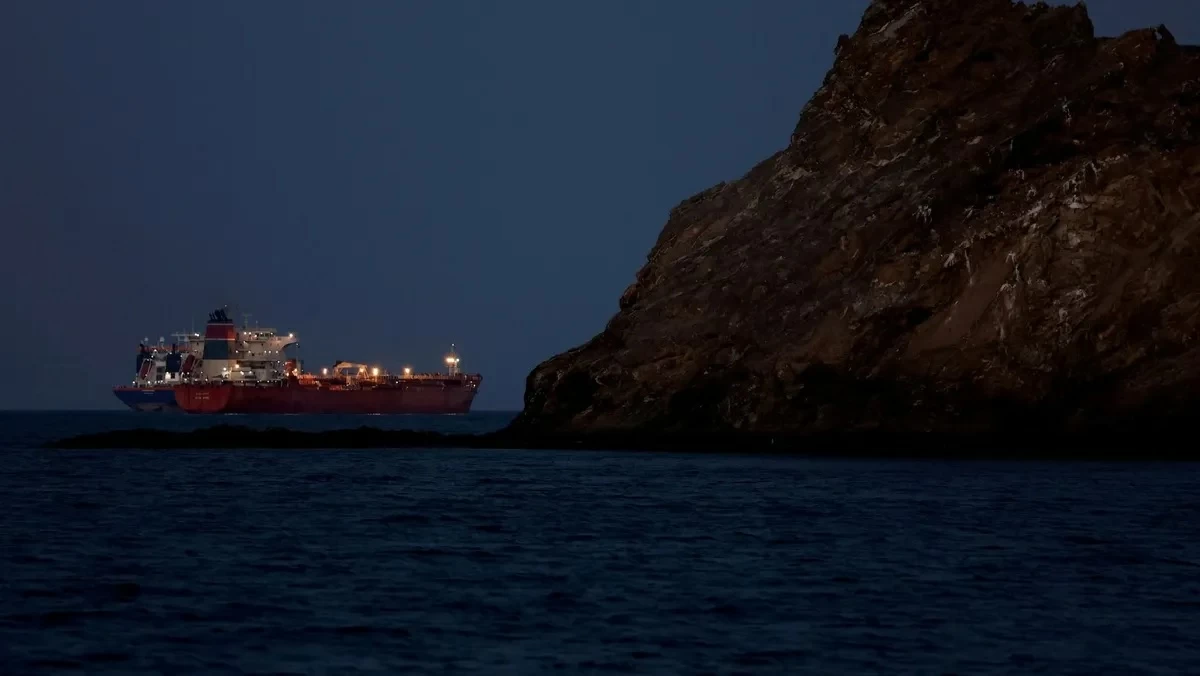
بعد إعادة فتح مضيق هرمز لفترة وجيزة وبشكل مضطرب خلال عطلة نهاية الأسبوع، التي انتهت باحتجاز الولايات المتحدة سفينةً إيرانيةً، توقفت حركة الملاحة التجارية عبر الممر الملاحي بشكل شبه كامل، اليوم الإثنين، ما يؤكد مدى صعوبة استئناف النشاط في هذا المضيق الحيوي، وفق وكالة «بلومبيرغ».
وتراجعت حركة العبور عبر الممر المائي إلى حدٍّ كبير على مدار 7 أسابيع من حرب إيران، مع تشديد طهران سيطرتها على حركة الملاحة رداً على الضربات الأمريكية والإسرائيلية.
وبدا يوم الجمعة، أن هذا التوقف قد انتهى مع إعلان إيران والولايات المتحدة إعادة فتح المضيق، ما أدى إلى انخفاض حاد في أسعار النفط وتدفق السفن على العبور، إلّا أن الوضع سرعان ما تدهور.
واحتجزت البحرية الأمريكية في وقت سابق، أمس الأحد، سفينة شحن إيرانية في المياه قبالة ميناء جاسك الإيراني في خليج عُمان، بينما كانت متجهة إلى هرمز، في أول خطوة من نوعها خلال الحصار الأمريكي، ما زاد من المخاطر بالنسبة لمالكي السفن، ووسع نطاق المنطقة التي تُعتبر محفوفة بمخاطر العبور، وارتفعت أسعار النفط القياسية عقب ذلك.
وقال رئيس قسم التحليلات لمنطقة آسيا والمحيط الهادئ في شركة «فورتيكسا» إيفان ماثيوز: إن استمرار التقلبات سيثني معظم، إن لم يكن جميع، مالكي السفن عن اتباع نهج الترقب والانتظار الحذر.
ومن المقرر أن ينتهي وقف إطلاق النار الهش بين الولايات المتحدة وإيران بنهاية يوم الثلاثاء. ولا يزال من غير الواضح ما إذا كان سيتم تمديد هذه الهدنة، أو ما إذا كانت المحادثات بين المسؤولين الأمريكيين والإيرانيين في العاصمة الباكستانية إسلام أباد ستُعقد هذا الأسبوع أم لا.
After the Strait of Hormuz was briefly and tumultuously reopened over the weekend, which ended with the United States seizing an Iranian ship, commercial navigation through the waterway has nearly come to a halt today, Monday, confirming the difficulty of resuming activity in this vital strait, according to Bloomberg.
The transit traffic through the waterway has significantly declined over the past 7 weeks of the Iran war, with Tehran tightening its control over navigation in response to American and Israeli strikes.
On Friday, it appeared that this halt had ended with the announcement from Iran and the United States about reopening the strait, leading to a sharp drop in oil prices and a flow of ships crossing; however, the situation quickly deteriorated.
Earlier yesterday, Sunday, the U.S. Navy seized an Iranian cargo ship in waters off the Iranian port of Jask in the Gulf of Oman while it was heading to Hormuz, marking the first such action during the American blockade, which increased risks for ship owners and expanded the area considered perilous for crossing, leading to a rise in benchmark oil prices thereafter.
Ivan Matthews, head of analytics for the Asia-Pacific region at Fortexa, stated that the ongoing volatility will deter most, if not all, ship owners from adopting a cautious wait-and-see approach.
The fragile ceasefire between the United States and Iran is set to expire by the end of Tuesday. It remains unclear whether this truce will be extended or if talks between American and Iranian officials in the Pakistani capital, Islamabad, will take place this week.
للمزيد من المقالات
اضغط هنا