
9 دقائق حاسمة.. جندي أمريكي يكشف كواليس مقتل بن لادن بعد 15 عاما – أخبار السعودية
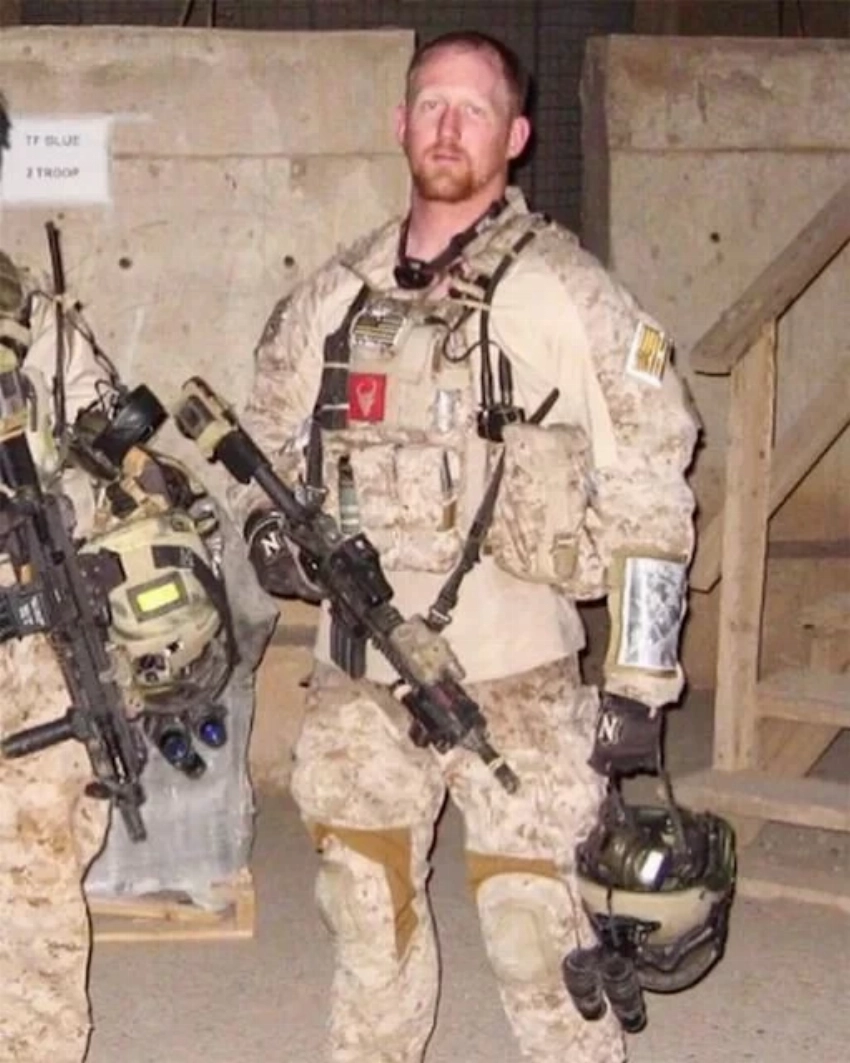
كشف عنصر سابق في قوات النخبة البحرية الأمريكية (Navy SEAL)، شارك في العملية التي انتهت بمقتل زعيم تنظيم القاعدة أسامة بن لادن، تفاصيل غير مسبوقة عن المهمة التي نُفذت قبل 15 عاماً في باكستان، مؤكداً أن الدافع الأساسي كان هجمات 11 سبتمبر.
وقال الجندي المتقاعد روبرت أونيل إن العملية لم تكن بحثاً عن مجد أو مكافأة، بل «ثأراً للضحايا»، مستحضراً مشاهد مؤلمة من هجمات 2001، دفعت الفريق إلى خوض واحدة من أخطر العمليات العسكرية في التاريخ الحديث.
مهمة سرية.. بلا تفاصيل
وأوضح أونيل أن الفريق أُبلغ بالمهمة قبل تنفيذها بثلاثة أسابيع فقط، دون كشف أي معلومات حاسمة، بما في ذلك الهدف أو الدولة أو الدعم العسكري.
وأضاف: «قيل لنا فقط إن هناك شيئاً في منزل داخل منطقة جبلية، وعليكم الذهاب لإحضاره».
وأكد أن غياب المعلومات كان بحد ذاته «إجابة مطمئنة» لطبيعة المهمة الحساسة.
تدريبات مكثفة وخطة دقيقة
خضع الفريق لتدريبات مكثفة على نموذج مطابق لمنزل بن لادن، مع سيناريوهات متعددة تشمل الفشل أو الاشتباك أو الانفصال داخل الموقع.
واستخدمت في العملية مروحيات متطورة من طراز «بلاك هوك»، لم تكن معروفة حتى على نطاق واسع داخل الإدارة الأمريكية آنذاك، وفقاً لروايته.
سيناريو كارثي يتحقق
روى أونيل أن أحد أفراد الفريق توقع خلال التدريب سقوط مروحية داخل المجمع، وهو ما حدث بالفعل أثناء التنفيذ.
وأشار إلى أن مثل هذه التوقعات في عالم العمليات الخاصة تُعامل كخطة بديلة لمواجهة الفوضى، وليس مجرد «تشاؤم».
الاستعداد للموت.. بلا تردد
أكد الجندي السابق أن الفريق تعامل مع المهمة على أنها «ذهاب بلا عودة»، مضيفاً: «لم نكن خائفين من الموت، بل مستعدين له».
وكشف أن بعض العناصر ناقشوا احتمالية عدم العودة، وأن الدافع الحقيقي كان «العدالة لضحايا الطائرة الرحلة 93» وغيرها من ضحايا 11 سبتمبر.
لحظات الوداع الأصعب
تحدث أونيل عن أصعب لحظة قبل تنفيذ المهمة، وهي وداع عائلته، قائلاً: «كنت أعتقد أنني لن أعود».
وأضاف أن ابنته الصغيرة طلبت منه أن يأخذها في رحلة عند عودته، وهو ما جعله يواجه احتمال الرحيل بلا رجعة.
الانتظار والضوء الأخضر
انتظر الفريق في قاعدة بجلال آباد الأفغانية حتى صدور الأمر النهائي، مع الحرص على السرية التامة حتى لا تنكشف العملية.
واختير تنفيذ المهمة ليلاً، في ظلام كامل، لضمان التفوق التكتيكي، رغم المخاطر المرتبطة باختراق الأجواء الباكستانية.
تحذيرات ومخاوف سياسية
أشار أونيل إلى وجود مخاوف من تدخل القوات الباكستانية أثناء العملية، مع تعليمات واضحة بتجنب الاشتباك مع الشرطة المحلية.
وأضاف أن القيادة الأمريكية كانت مستعدة للتصعيد في حال تعرض الفريق للخطر، مؤكداً أن «الاستسلام لم يكن خياراً».
تسع دقائق فقط
وبحسب روايته، استغرقت العملية بأكملها نحو تسع دقائق فقط بعد الهبوط عند الساعة 12:30 فجرا، حيث اقتحمت القوة المبنى وسط توقعات بوجود متفجرات أو مقاومة مسلحة. وبعد الاشتباك مع نجل بن لادن، وصل عناصر الفريق إلى الطابق العلوي حيث كان زعيم القاعدة يقف خلف زوجته.
وقال أونيل إنه تعرّف على بن لادن فورًا وأطلق عليه ثلاث رصاصات في الرأس باستخدام بندقية هجومية، مضيفًا أن الهدف كان منع أي محاولة لتفجير نفسه أو تنفيذ هجوم مضاد.
وأكد أن مقتل بن لادن أُعلن عبر كلمة السر “جيرونيمو” قبل أن يبدأ الفريق بجمع أجهزة الحاسوب والوثائق الاستخباراتية من داخل المجمع، بينما تم تفجير المروحية المتحطمة لمنع وقوعها بيد السلطات الباكستانية.
90 دقيقة.. أخطر مراحل العملية
وأوضح أن أخطر مراحل العملية كانت رحلة العودة الجوية التي استمرت 90 دقيقة فوق الأراضي الباكستانية وسط مخاوف من اعتراض المقاتلات الجوية، قبل أن يبلغهم الطيار بدخول الأجواء الأفغانية، وهو ما اعتبره أفراد الفريق لحظة النجاة الحقيقية.
وأبدى أونيل ندمه الوحيد، بحسب قوله، على دفن بن لادن في البحر بعد مقتله، معتبراً أن ذلك حرمه من محاسبة رمزية علنية أمام الأميركيين.
يذكر أن عملية “نيبتون سبير” نُفذت في 2 مايو 2011 بأمر من الرئيس الأميركي آنذاك باراك أوباما، وأنهت مطاردة استمرت قرابة عقد لزعيم تنظيم القاعدة المسؤول عن هجمات 11 سبتمبر.
دوافع إنسانية خلف المهمة
اختتم أونيل شهادته بالتأكيد أن العملية لم تكن بدافع الانتقام فقط، بل «رد اعتبار إنساني» لضحايا الهجمات، قائلاً:
«كنا نقاتل من أجل أشخاص عاديين، لم يكن ينبغي أن يموتوا بهذه الطريقة».
A former member of the U.S. Navy SEALs, who participated in the operation that ended with the killing of al-Qaeda leader Osama bin Laden, revealed unprecedented details about the mission carried out 15 years ago in Pakistan, confirming that the primary motivation was the September 11 attacks.
Retired soldier Robert O’Neill stated that the operation was not a quest for glory or reward, but rather “revenge for the victims,” recalling painful scenes from the 2001 attacks that drove the team to undertake one of the most dangerous military operations in modern history.
A secret mission… with no details
O’Neill explained that the team was informed about the mission only three weeks before its execution, without revealing any critical information, including the target, the country, or military support.
He added, “We were only told that there was something in a house in a mountainous area, and you need to go get it.”
He confirmed that the lack of information was itself “a reassuring answer” regarding the sensitive nature of the mission.
Intensive training and a precise plan
The team underwent intensive training on a model replicating bin Laden’s house, with multiple scenarios including failure, engagement, or separation within the site.
Advanced “Black Hawk” helicopters were used in the operation, which were not widely known even within the U.S. administration at the time, according to his account.
A catastrophic scenario comes true
O’Neill recounted that one team member predicted during training that a helicopter would crash into the compound, which indeed happened during execution.
He noted that such predictions in the world of special operations are treated as contingency plans to deal with chaos, not merely “pessimism.”
Prepared for death… without hesitation
The former soldier confirmed that the team approached the mission as a “one-way trip,” adding, “We were not afraid of death; we were ready for it.”
He revealed that some members discussed the possibility of not returning, and that the real motivation was “justice for the victims of Flight 93” and other September 11 victims.
The hardest farewell moments
O’Neill spoke about the hardest moment before executing the mission, which was saying goodbye to his family, saying, “I thought I wouldn’t come back.”
He added that his young daughter asked him to take her on a trip when he returned, which made him confront the possibility of leaving without return.
Waiting and the green light
The team waited at a base in Jalalabad, Afghanistan, until the final order was given, ensuring complete secrecy so that the operation would not be exposed.
The mission was chosen to be executed at night, in complete darkness, to ensure tactical superiority, despite the risks associated with penetrating Pakistani airspace.
Warnings and political concerns
O’Neill pointed out that there were concerns about the intervention of Pakistani forces during the operation, with clear instructions to avoid engagement with local police.
He added that U.S. leadership was prepared to escalate if the team was in danger, emphasizing that “surrender was not an option.”
Only nine minutes
According to his account, the entire operation lasted about nine minutes after landing at 12:30 AM, as the force stormed the building amid expectations of explosives or armed resistance. After engaging with bin Laden’s son, the team members reached the upper floor where the al-Qaeda leader was standing behind his wife.
O’Neill stated that he recognized bin Laden immediately and shot him three times in the head using an assault rifle, adding that the goal was to prevent any attempt to detonate himself or launch a counterattack.
He confirmed that bin Laden’s death was announced via the code word “Geronimo” before the team began collecting computers and intelligence documents from inside the compound, while the crashed helicopter was destroyed to prevent it from falling into the hands of Pakistani authorities.
90 minutes… the most dangerous phase of the operation
He explained that the most dangerous phase of the operation was the 90-minute flight back over Pakistani territory amid fears of interception by fighter jets, before the pilot informed them of entering Afghan airspace, which the team members considered the true moment of survival.
O’Neill expressed his only regret, as he said, about burying bin Laden at sea after his death, considering that it deprived him of a symbolic public accountability before the Americans.
It is noteworthy that Operation “Neptune Spear” was carried out on May 2, 2011, by order of then-President Barack Obama, ending nearly a decade-long pursuit of the al-Qaeda leader responsible for the September 11 attacks.
Humanitarian motives behind the mission
O’Neill concluded his testimony by affirming that the operation was not solely motivated by revenge, but rather a “humanitarian restitution” for the victims of the attacks, saying:
“We were fighting for ordinary people who should not have died this way.”
للمزيد من المقالات
اضغط هنا