
ابتكار روسي.. مغناطيس ينقّي المياه من الأصباغ الصناعية – أخبار السعودية
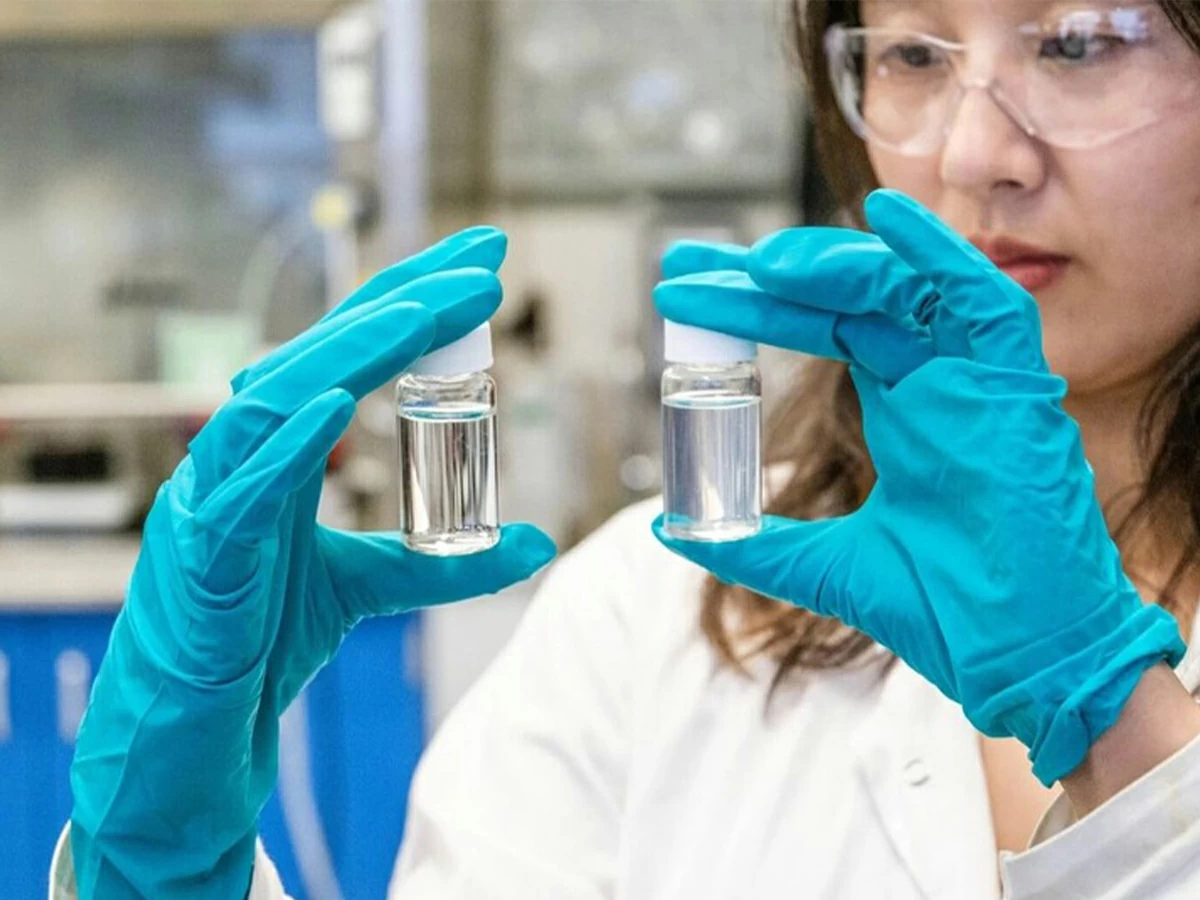
طور علماء روس مادة مبتكرة لتنقية المياه تعتمد على تقنية مغناطيسية متقدمة، تتيح إزالة الأصباغ الصناعية من مياه الصرف بكفاءة عالية وإعادة فصلها بسهولة باستخدام مغناطيس عادي.
وجاء هذا الابتكار ضمن أبحاث أجراها فريق علمي من جامعة إيمانويل كانط البلطيقية الفيدرالية الروسية، وتتميز المادة بقدرتها على امتصاص نحو 645 مليغراماً من الصبغة لكل غرام واحد من وزنها، ما يجعلها فعّالة في معالجة المياه الملوثة.
وبحسب تقديرات منظمات بيئية دولية، فإن الأصباغ العضوية المستخدمة في صناعات الأغذية والنسيج والأدوية تتحلل ببطء شديد في البيئة، فيما يُعد قطاع النسيج وحده مسؤولاً عن تصريف ما بين 70 ألفاً و200 ألف طن من الأصباغ سنوياً في المسطحات المائية، وهو ما يعادل وزن مئات الطائرات.
وقال الباحث في مختبر النانو والمغناطيسية الدقيقة بالجامعة فيتالي سالنيكوف: «طرق التنقية التقليدية، سواء البيولوجية أو الكيميائية، غالباً ما تكون مكلفة أو غير فعالة عند التركيزات العالية، إضافة إلى أنها قد تنتج نفايات ثانوية»، مشيراً إلى أن «الكربون المنشط، رغم شيوعه، يمتلك كفاءة متوسطة ويتطلب عمليات تجديد أو التخلص منه بعد الاستخدام».
وأضاف أن الكفاءة العالية للمادة الجديدة تعود إلى التفاعل بين ثلاثة مكونات رئيسية هي؛ أكسيد الحديد المغناطيسي، وكربونات الكالسيوم، وبوليمر حمض البولي أكريليك، ويؤدي هذا التآزر إلى تكوين بنية فعّالة لالتقاط جزيئات الصبغة.
ووفق النتائج العلمية، فإن المادة الجديدة تتفوق بنحو 10 مرات على الكربون المنشط، وبما يصل إلى 129 مرة مقارنة بكربونات الكالسيوم النقية، كما أن إدخال المكون المغناطيسي يسهل عملية استرجاع المادة بعد تشبعها بالملوثات باستخدام مجال مغناطيسي بدلاً من طرق الفصل التقليدية، ما يقلل من استهلاك الطاقة وتكاليف المعالجة.
ويأمل الفريق البحثي في توسيع استخدام هذه التقنية مستقبلاً لتشمل إزالة أنواع أخرى من الملوثات العضوية من المياه.
Russian scientists have developed an innovative material for water purification based on advanced magnetic technology, allowing for the efficient removal of industrial dyes from wastewater and easy separation using a regular magnet.
This innovation came as part of research conducted by a scientific team from the Immanuel Kant Baltic Federal University in Russia. The material is characterized by its ability to absorb about 645 milligrams of dye for every gram of its weight, making it effective in treating contaminated water.
According to estimates from international environmental organizations, organic dyes used in the food, textile, and pharmaceutical industries degrade very slowly in the environment, with the textile sector alone responsible for discharging between 70,000 and 200,000 tons of dyes annually into water bodies, equivalent to the weight of hundreds of airplanes.
Vitaly Salnikov, a researcher in the nano and fine magnetism laboratory at the university, stated: “Traditional purification methods, whether biological or chemical, are often costly or ineffective at high concentrations, and they may produce secondary waste,” noting that “activated carbon, despite its common use, has moderate efficiency and requires regeneration processes or disposal after use.”
He added that the high efficiency of the new material is due to the interaction between three main components: magnetic iron oxide, calcium carbonate, and polyacrylic acid polymer. This synergy leads to the formation of an effective structure for capturing dye particles.
According to scientific results, the new material outperforms activated carbon by about 10 times and up to 129 times compared to pure calcium carbonate. Additionally, the introduction of the magnetic component facilitates the recovery of the material after it becomes saturated with pollutants using a magnetic field instead of traditional separation methods, reducing energy consumption and processing costs.
The research team hopes to expand the use of this technology in the future to include the removal of other types of organic pollutants from water.
للمزيد من المقالات
اضغط هنا